NATO Working With US To Understand Details Of Troop Pullout From Germany; Stresses On Need To Invest More In Defence
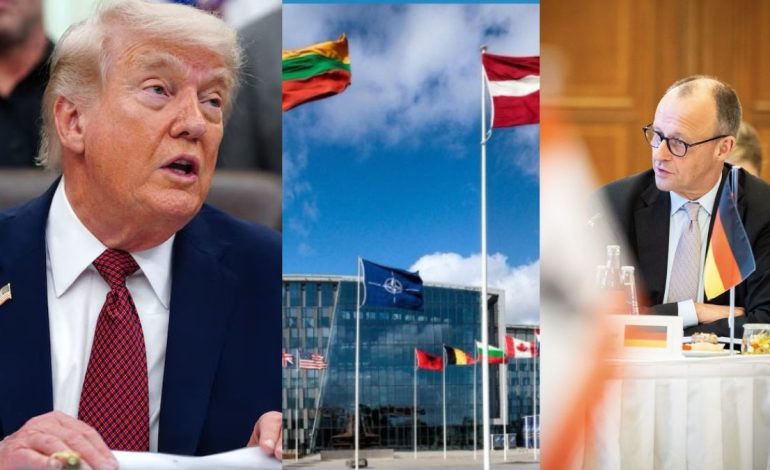
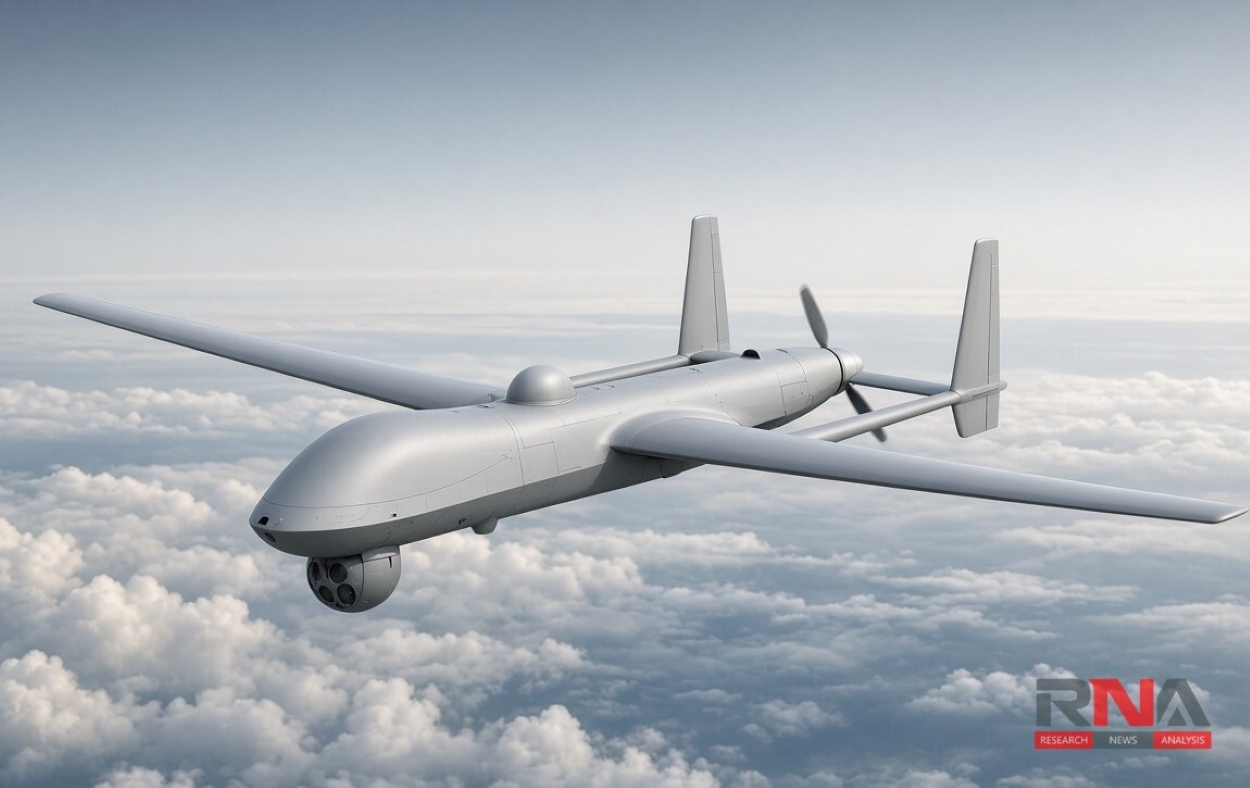
US President Donald Trump told reporters in Florida, “We’re going to cut way down, and we’re cutting a lot further than 5,000.” Image courtesy: RNA

Less than a week after German Chancellor Friedrich Merz said the United States was being “humiliated” by Iran’s leaders, US President Donald Trump announced the withdrawal of 5,000 troops from the European country, a move NATO is working to “understand the details” of. The Pentagon confirmed that the withdrawal would take place over the next 6-12 months, with the possibility of deeper cuts.
In its first reaction after the announcement by the US, the North Atlantic Treaty Organisation has said it is working to “understand the details” of the United States’ decision to withdraw 5,000 troops from Germany, signalling unease within the alliance over what appears to be a largely unilateral move.
NATO spokesperson Allison Hart said the alliance was “working with the US to understand the details of their decision on force posture in Germany”, suggesting limited prior coordination with European allies.
US troops withdrawal from Germany: What did the United States announce?
“We’re going to cut way down, and we’re cutting a lot further than 5,000,” US President Donald Trump said, indicating that additional reductions could follow. US officials have suggested that an army brigade combat team could be withdrawn and a planned deployment of a long-range artillery battalion cancelled.
The move comes amid a sharp exchange between President Trump and German Chancellor Merz over the ongoing US war with Iran. Merz had criticised Washington’s approach, saying the US was being “humiliated” by Iran’s leadership, to which Trump responded bluntly, saying Merz “doesn’t know what he’s talking about”, and soon after raised the possibility of troop withdrawals.
How is the Iran conflict shaping US military decisions?
The withdrawal coincides with growing US military commitments in West Asia, where tensions with Iran remain high following the February 28 US-Israeli strikes and subsequent retaliation by Tehran.
The Trump administration has also prioritised military support to partners in the region, approving over $8.6 billion in arms sales to countries including Israel, Qatar, Kuwait and the UAE. Additionally, US officials have warned European allies of delays in weapons deliveries, as the Pentagon focuses on replenishing stockpiles used in the Iran war.
What message has NATO sent to Europe?
NATO has used the development to reiterate a long-standing message: Europe must do more for its own defence.
“This adjustment underscores the need for Europe to continue to invest more in defence and take on a greater share of the responsibility for our shared security,” Hart said. The alliance further noted that members had agreed to increase defence spending to 5% of GDP, particularly in response to threats from Russia.
How has Germany responded to US troops’ withdrawal?
Berlin sought to downplay the severity of the decision, calling it “anticipated” while acknowledging its implications. A German defence ministry spokesperson said the development demonstrated that “we must strengthen the European pillar within NATO”, with current US troop levels in Germany estimated at around 40,000.
The move risks widening an already visible rift between Washington and its European allies.
Tensions have been building over the Iran conflict, particularly after NATO members declined to participate in the war following the initial US-Israeli strikes.
German proposals, such as deploying minesweepers in the Strait of Hormuz, were conditional on a ceasefire and international mandate.
How does this affect NATO’s security posture?
The United States currently has tens of thousands of troops stationed across Europe, forming a key pillar of NATO’s deterrence strategy. Congress had previously set a benchmark that troop levels should not fall below 76,000, meaning further withdrawals could trigger political pushback in Washington.
Even as European nations increase defence spending, officials acknowledge that building independent capabilities will take time.
Efforts to resolve the Iran conflict remain uncertain. While Tehran has reportedly softened some negotiating positions, no timeline for fresh talks has been confirmed.
“I’ll let you know about it later,” Trump said, referring to a new Iranian proposal under review. At the same time, continued Israeli strikes in Lebanon and regional instability risk complicating diplomatic efforts further.