

US ready to strike Iran within 96 hours of Trump’s order as Israel presses for joint action
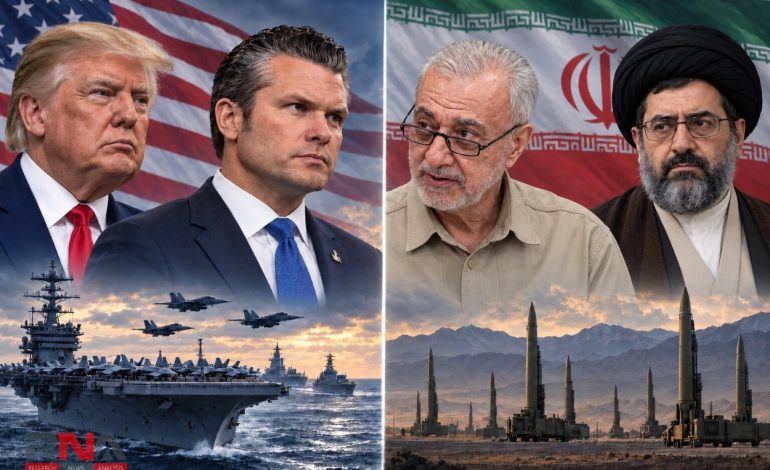
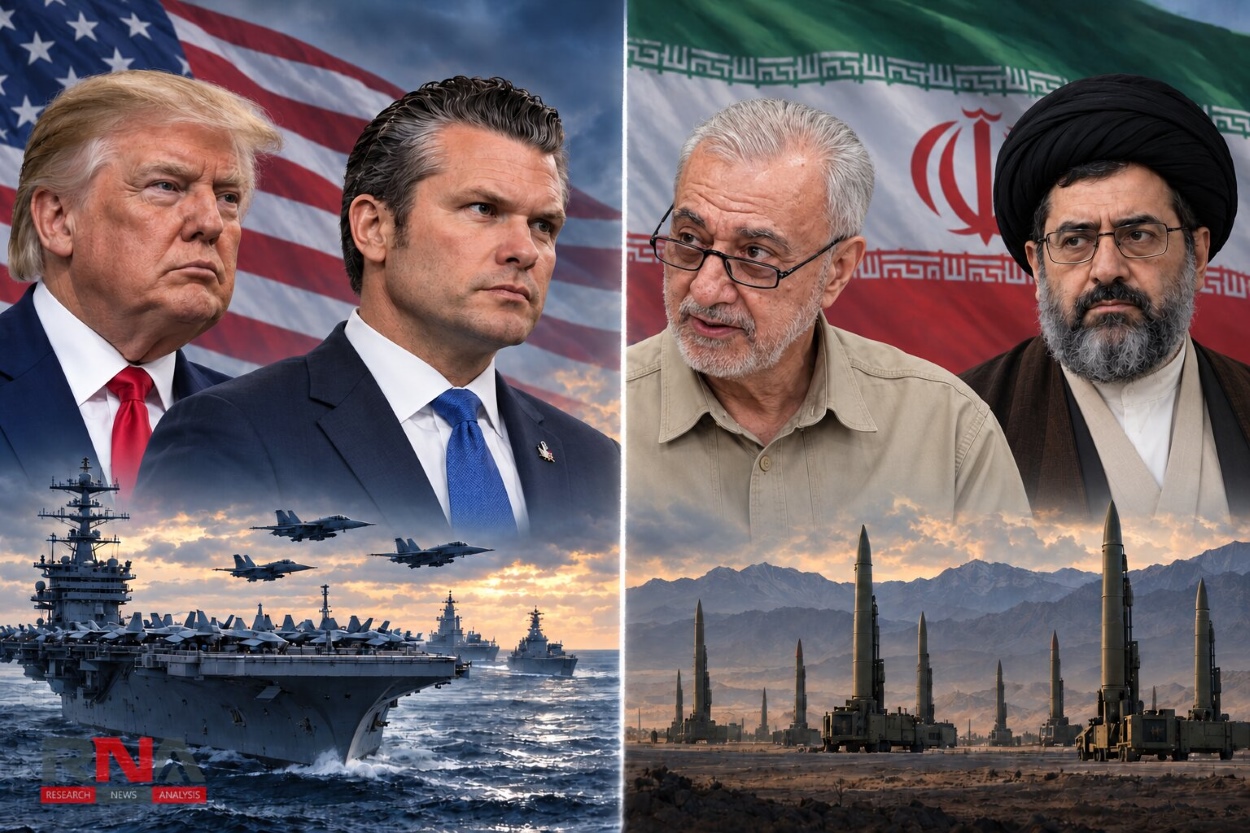
RNA Media illustration for representation.

New Delhi: US forces in West Asia are ready to begin a potentially major offensive against Iran within 96 hours of an order from the president, Donald Trump, according to American officials cited by CNN. Trump has yet to authorize the operation, with officials indicating that a decision is more likely after the November 3 midterm elections.
The CNN report, also carried by Egypt Independent, said sufficient American forces were already deployed to conduct the proposed attacks. The operation could extend substantially beyond the limited strikes on radars, missile launchers and other equipment that Iran can replace relatively quickly.
Israel has pressed Washington to support renewed attacks, but senior US officials have urged it to wait for possible joint operations, according to CNN’s sources. Israel’s reliance on American missile defence support, alongside pressure on its defensive ammunition stocks, has reportedly influenced its willingness to delay.
American planners have also identified operational difficulties because Iranian forces have become more familiar with US tactics during the conflict. The White House declined to comment, while a senior Pentagon official said the department’s responsibility was to prepare military options and execute those ordered by the president.
Trump’s public comments have continued to leave room for both military action and negotiations. On Saturday, he ruled out an attack that day, telling reporters: “There will not be a strike,” while referring to differing intelligence assessments available to his administration.
That statement followed a more threatening message a day earlier, when he suggested an attack could come as soon as the following day while also raising the possibility of an agreement. As RNA Media reported on October 25, Trump said Iran wanted a deal but questioned whether it would honour its commitments.
The latest preparations build on options examined over recent weeks, including attacks on nuclear facilities, energy infrastructure and missile and drone stockpiles. RNA Media’s earlier report on the strike discussions identified Pickaxe Mountain, where nuclear-related facilities are believed to be buried deep underground, among the potential targets.
The timing is politically sensitive for both governments, with Israel voting on Tuesday, before the American midterms a week later. Previous reports that Trump blocked an Israeli attack earlier in October were disputed by the Israeli prime minister, Benjamin Netanyahu.
Any renewed offensive would also carry risks for American personnel across the region. An October 23 intelligence memorandum, detailed in RNA Media’s report on Iranian threats, warned that Iranian efforts to target US personnel had intensified and that lethal plots had reached advanced stages in West Asia and some other countries.
Tehran has separately warned that another attack could expose American-linked data centres, artificial intelligence facilities and undersea communications cables in the Persian Gulf to retaliation. Such attacks could disrupt banking, cloud services and regional connectivity, although their impact would depend on the infrastructure damaged and the availability of alternative routes.
Diplomatic efforts nevertheless continued on Monday with delegations from Saudi Arabia, Pakistan and Turkey visiting Tehran for discussions on regional security and de-escalation. Reuters reported that the visitors included the Saudi defence minister, Prince Khalid bin Salman, Pakistan’s army chief, Field Marshal Asim Munir, and Turkey’s intelligence chief, Ibrahim Kalin.
Qatari mediators also visited Tehran on Sunday, while Iran said messages were still being exchanged with Washington through intermediaries. Pakistan and Qatar had helped broker a June agreement intended to reopen the Strait of Hormuz, end the American blockade of Iranian ports and begin wider negotiations, but that arrangement unravelled as attacks resumed.
The economic consequences remain a constraint on further escalation, particularly if attacks extend to energy infrastructure. Earlier reports noted American concerns that striking Iranian refineries and related facilities could push up global oil prices and increase fuel costs for consumers.