

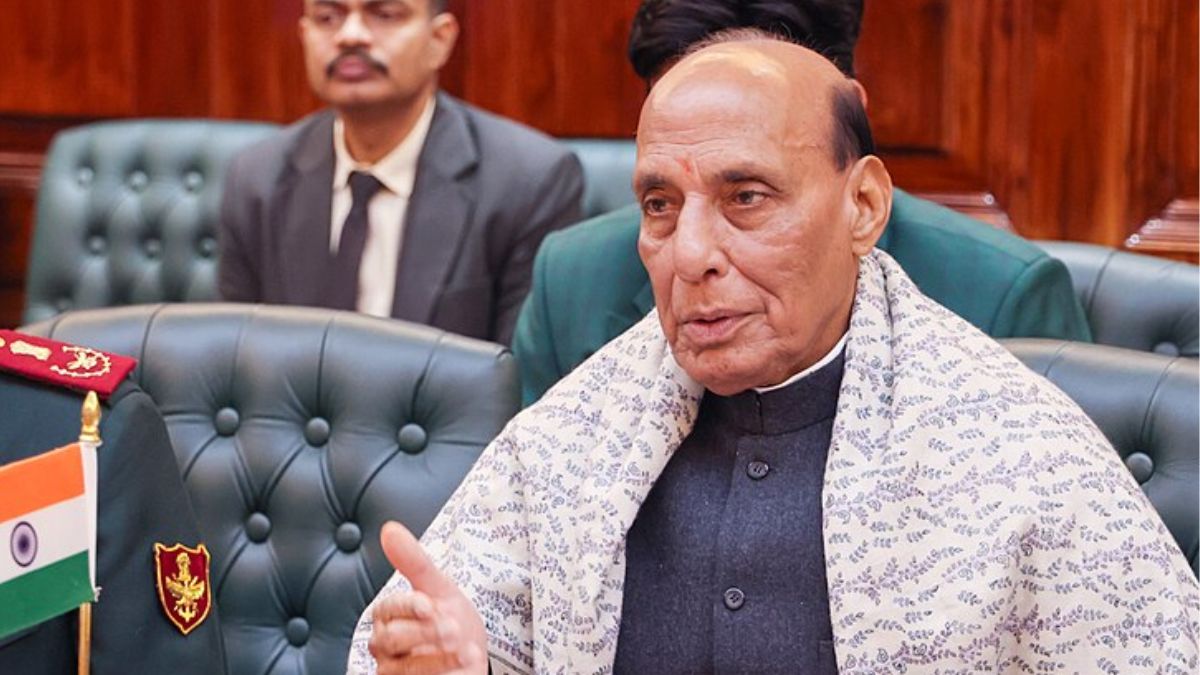

Rajnath Singh clears ₹2.12 lakh crore worth of defence procurement proposals, 82% to be sourced from Indian industry
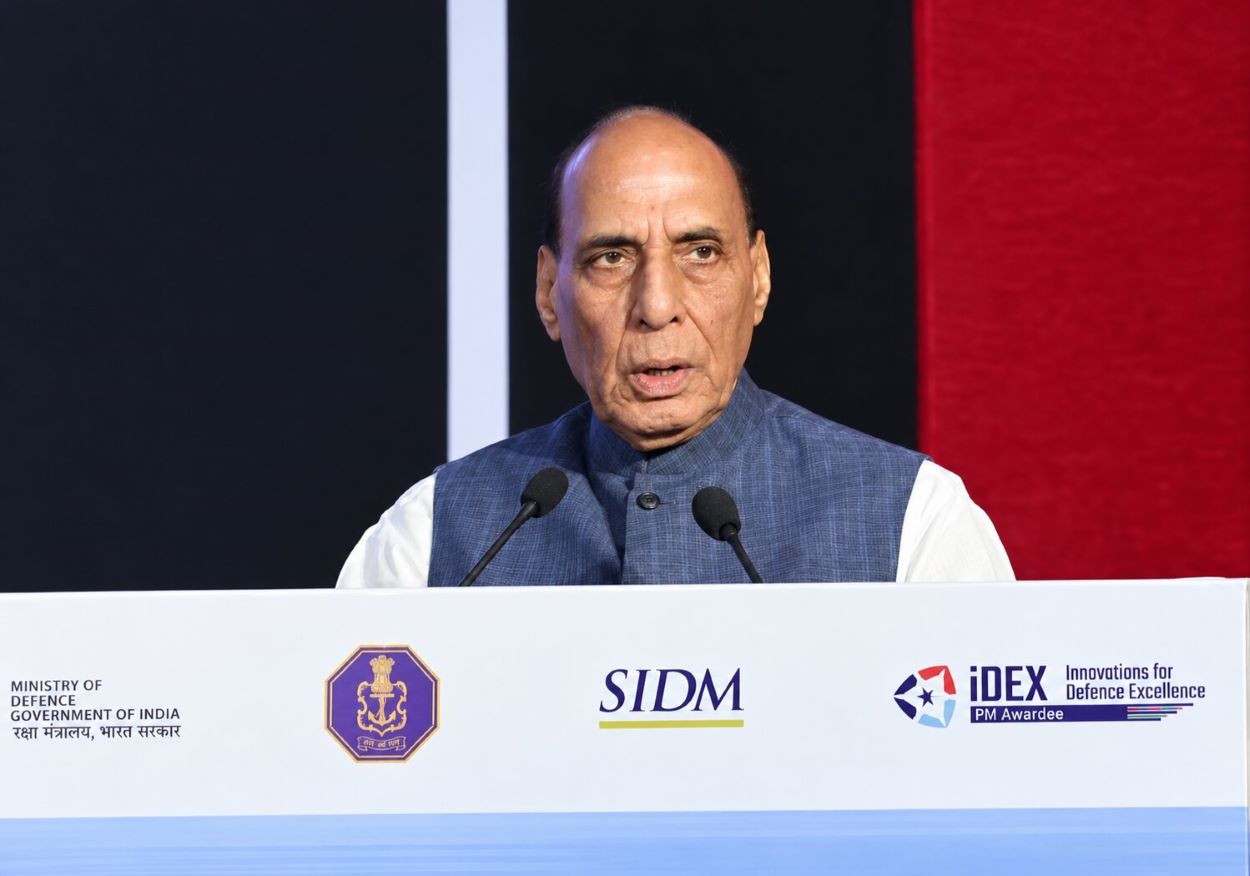
The defence minister, Rajnath Singh, is scheduled to unveil the Indian Army’s new Land Warfare Doctrine.(Image courtesy: Wikimedia Commons)

New Delhi: India has cleared defence acquisition proposals worth ₹2.12 lakh crore, covering everything from long-range attack drones and counterdrone systems to helicopters, artillery and naval equipment. The approvals span all three services, with around 82 per cent of the planned procurement expected to come from Indian industry.
The clearances were granted by the Defence Acquisition Council (DAC), chaired by the defence minister, Rajnath Singh, on Monday. The council granted acceptance of necessity (AoN), which is an initial approval for proposed purchases rather than confirmation that the equipment has already been ordered or delivered.
The new proposals will provide the Indian Army an ability to operate in difficult terrain, detect threats and respond to attacks. The approved list includes high mobility vehicles, a self-propelled tracked gun system, a gun shot response system (GSRS), light multi-role helicopters (LMRH) and very short-range air-defence systems (VSHORADS).
The high mobility vehicles are intended to help move personnel and supplies across challenging terrain, while the tracked gun system will give mechanized formations artillery firepower without sacrificing mobility. The GSRS will offer real-time information on gunfire, helping troops to get a clearer picture of what is going on in the battlefield.
The Army’s proposed acquisitions also include a platform-based counter unmanned aerial system (C-UAS), an unmanned aerial system brick long range, surveillance UAVs, an integrated surveillance and strike system and a long range kamikaze drone system. Together, these systems are intended to improve the military’s ability to monitor potential threats, identify targets and counter aerial threats.
The VSHORADS will be used against newer, small-sized aerial threats, while the counterdrone system is expected to improve the survivability of tanks on the battlefield.
The light multi-role helicopters will serve both the Army and the Indian Air Force. Their planned roles include reconnaissance, surveillance, combat, search and rescue, and humanitarian assistance and disaster relief.
For the Indian Navy, the DAC cleared an active offboard decoy system (AODS) along with other major naval platforms. The decoy system is intended to strengthen a ship’s protection against incoming anti-ship missiles by diverting threats away from the vessel.
The other naval platforms will be designed and built domestically. The defence ministry said these “naval platforms will possess modern-day warfare capabilities and enhance the combat capability of the Navy.”
The Air Force’s proposals cover helicopters, air defence systems, weapons and a Mobile X-band doppler weather radar system.
The proposed special utility helicopters will address the Air Force’s air transport needs. The weather radar system, meanwhile, will provide detailed, localized weather information in forward areas, supporting operations in locations where weather conditions can affect military activity.
The approvals highlight the India’s focus on upgrading capabilities across land, sea and air operations while directing a large share of the proposed spending towards Indian manufacturers.