
Will US and Israel resume strikes on Iran after elections?
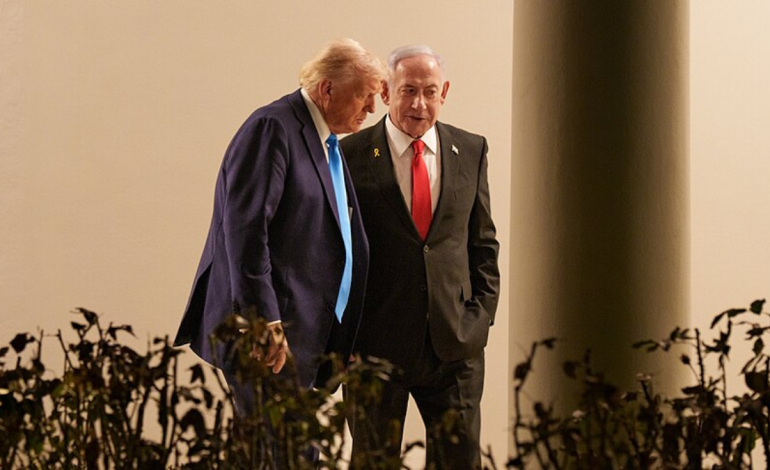
United States and Israel are planning for possible renewed strikes against Iran. (Image courtesy: Wikimedia)

New Delhi: The United States and Israel are planning for possible renewed strikes against Iran after upcoming elections, with military officials considering targets ranging from nuclear facilities to energy infrastructure and missile stockpiles. The New York Times reported, citing officials familiar with the discussions. The proposed strikes could aim to weaken Iran’s military capabilities and push it to make concessions in talks.
Ahead of elections in both countries, the US and Israel are preparing plans for possible strikes on Iran. Israel will hold its election on October 27, while the US midterm elections are scheduled for November 3.
The US military build-up is expected to be in place by early November. It is set to include three aircraft carriers, thousands of Marines, fighter jets and special operations forces. US military planners are also considering the longer hours of darkness in Iran during early November, which could provide more time for night operations, the New York Times reported.
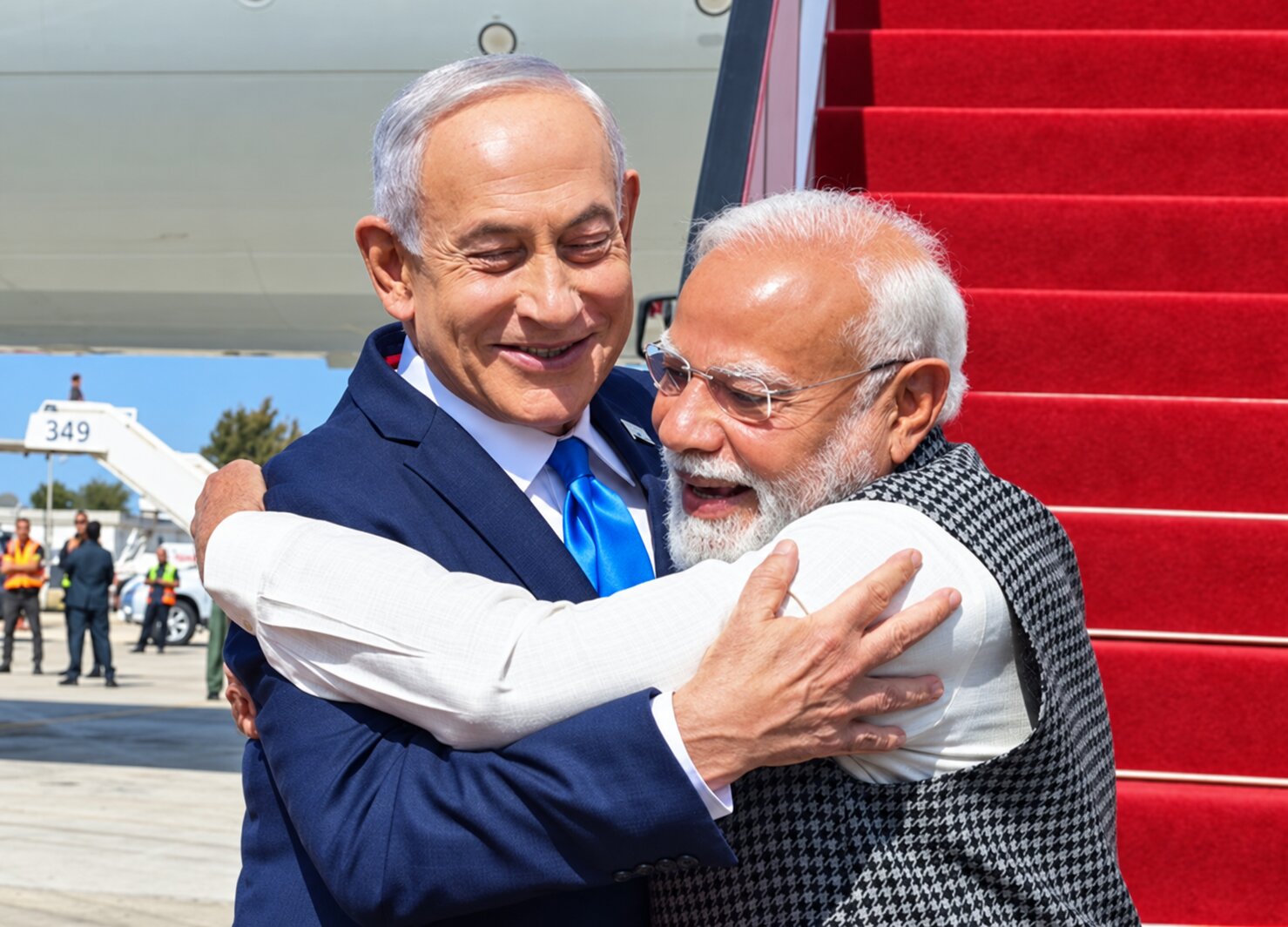
Military preparations have intensified, with aircraft practising strike manoeuvres over Iraq, according to the report. The developments follow an unannounced meeting between Israeli prime minister, Benjamin Netanyahu, and the United States defence secretary, Pete Hegseth, in Israel this week, details of which were not made public.
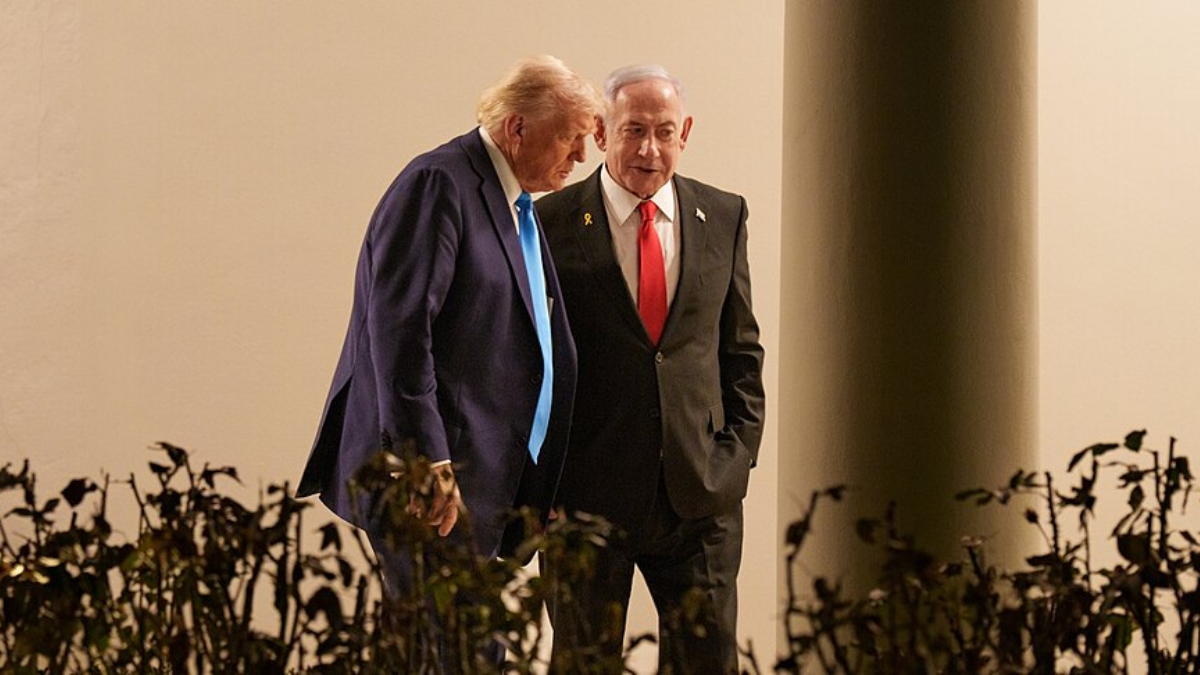
However, the United Staes president, Donald Trump, has repeatedly delayed or rejected proposals for major combat operations against Iran. Earlier this month, he reportedly held back from approving an attack even as forces were nearing readiness and air forces were on high alert.
Trump had also promised in early October not to launch strikes before the November 3 midterm elections. Although the possibility of an attack this month has not been entirely ruled out, the report suggests that renewed military action is more likely to be considered after the elections.
US and Israel consider strikes on Iran’s nuclear sites
Potential targets include Iran’s nuclear facilities, energy infrastructure and its stockpile of missiles and drones. One site under consideration is Pickaxe Mountain, where facilities are believed to be buried deep underground.
Trump has also discussed the possibility of using the 22,000-pound GBU-43/B, commonly known as the Mother of All Bombs, RNA Media earlier reported. However, specialists have questioned whether the weapon could destroy a deeply buried facility surrounded by granite. The bomb is designed to explode above ground, while the aircraft used to deliver it would be relatively slow and potentially vulnerable to Iranian air defences.
Some of the US officials have also raised concerns about striking oil refineries and other energy infrastructure indicating that such attacks could drive up global oil prices and increase petrol costs for American consumers, creating political pressure on the Trump administration.
Despite the military preparations, diplomatic efforts have continued. Washington wants Tehran to make concessions on its nuclear programme and the control of the Strait of Hormuz. Iran, however, wants to postpone discussions on the nuclear issue and has not made the concessions sought by the US.
Previous US and Israeli strikes between February and April drove up global energy prices, contributed to inflation and depleted American stocks of missile interceptors. They also failed to bring Iran back to meaningful negotiations, raising questions about whether another strike would achieve Washington’s objectives.
Iran warned United Sates
Iran’s new defence minister, Mehrad Akhlaghi Ketabchi, has also warned the United States against launching another attack, saying Tehran has taken steps to counter possible US military action. “If the American enemy makes another miscalculation, the response of the valiant Iranian people and the fighters of Islam will be surprising and extensive,” Akhlaghi said, RNA Media reported.
Akhlaghi also urged Washington to focus on ensuring the safe withdrawal of its forces from the region. His warning comes as Iran faces the challenge of rebuilding its military capabilities while preparing for the possibility of renewed US and Israeli strikes.
Uncertainty also surrounds Iran’s new supreme leader, Mojtaba Khamenei. US and Israeli intelligence agencies have limited insight into his decision-making. According to media reports, some officials believe he has less authority than his father, who was killed early in the war, while hardliners in Iran’s Islamic Revolutionary Guard Corps are believed to hold considerable influence.
Netanyahu denies Trump halted planned strikes
In another development, Netanyahu denied a Financial Times report that Trump had stopped Israel from launching planned strikes on Iran earlier this month. “That report is incorrect,” Netanyahu told Israel’s Channel 7, adding that he would not disclose details of his recent conversations with Trump about Iran, the Times of Israel reported.
Earlier, the Financial Times, citing three people familiar with the matter, reported that the Israeli military had been ready to strike Iranian nuclear facilities, regime sites and energy infrastructure over the weekend of October 10. However, Trump reportedly opposed restarting the conflict before the US midterm elections on November 3.
The report said any renewed strikes could be more intense than the US and Israeli attacks in February. It remained unclear whether Washington would join a potential operation or Israel would act alone.
Elections complicate timing of possible strikes
The upcoming elections in both countries could affect decisions on whether to resume military action against Iran. Trump has repeatedly indicated that he does not want to restart the conflict before the November 3 US midterm elections, while Netanyahu faces voters in Israel on October 27.
Trump has also been focusing on oil availability and energy supplies, including discussions with Russia over oil-related arrangements. His public position on delaying military action until after the US midterms adds to uncertainty over whether Washington would support an Israeli strike before the elections.
In Israel, the timing is also politically sensitive for Netanyahu, who is seeking re-election. Trump’s recent public support for the Israeli prime minister, expressed shortly before the vote, comes as reports of possible renewed strikes on Iran have raised questions about how the conflict could affect the election.