

DRDO’s high-altitude surveillance platform reaches 21 kilometres in test-flight
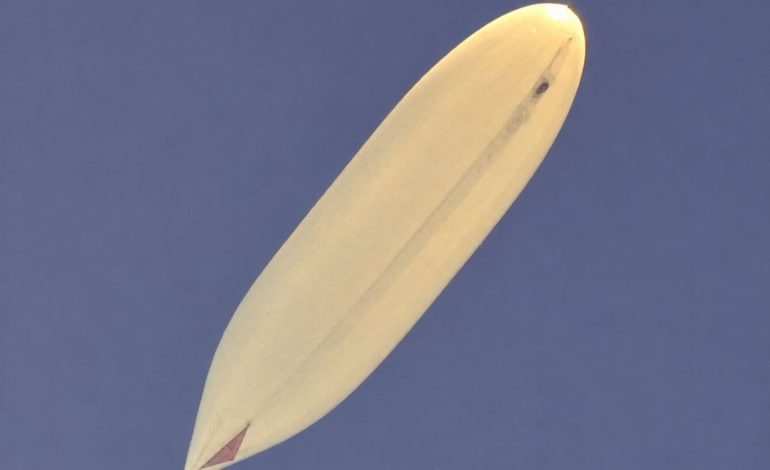
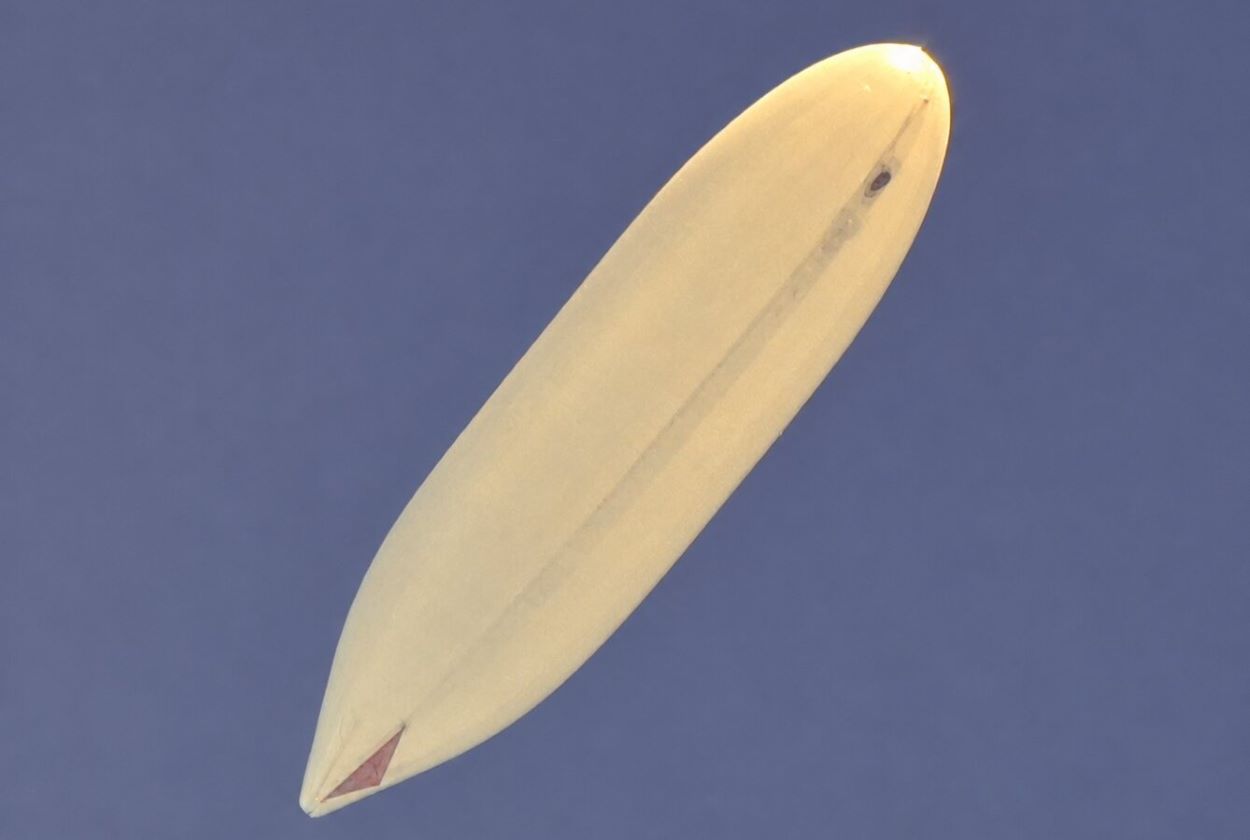
The high-altitude surveillance platform during its test-flight. (Photo: DRDO)

New Delhi: India’s Defence Research and Development Organisation (DRDO) has successfully tested an indigenous high-altitude platform, taking the experimental system to 21 kilometres above mean sea level. Announcing the trial on Tuesday, the defence ministry said it remained at an altitude of 20 kilometres for more than 30 minutes before being commanded to descend.
The platform was recovered after the flight, allowing the development team to analyse its performance data. According to the ministry’s statement, a ground control station received live video and other operating parameters throughout the test, indicating that the system performed as intended.
Developed by the Agra-based Aerial Delivery Research and Development Establishment (ADRDE), a DRDO laboratory, the lighter-than-air platform is intended to support prolonged surveillance from the stratosphere. The latest flight tested an experimental system, with the ministry describing it as a step towards developing a long-endurance stratospheric airship.
Its onboard equipment included cameras, a GPS receiver, an inertial measurement unit and an altitude-control mechanism. Together, these systems enabled the team to monitor the platform’s position, movement and operating condition during the flight.
The test was coordinated with the Indian Air Force, the Centre for Military Airworthiness and Certification, the Directorate General of Civil Aviation, the Airports Authority of India and other civil authorities. The announcement did not specify the flight’s date or location, its total duration, or the platform’s size and payload capacity.
The defence minister, Rajnath Singh, described the trial as an important step towards an indigenous airship capable of sustained operations at stratospheric altitudes. He congratulated DRDO, the Air Force and participating public-sector enterprises and industry partners.
The flight follows an earlier ADRDE demonstration at Sheopur in Madhya Pradesh on May 3, 2025, when a stratospheric airship prototype carried an instrumentation payload to approximately 17 kilometres. That flight lasted about 62 minutes and included evaluations of envelope-pressure control and emergency-deflation systems before the platform was recovered.
Data from the earlier trial were intended to help develop simulation models for subsequent high-altitude flights. The latest test demonstrated flight at a higher altitude, although the ministry has not disclosed whether the two trials used the same vehicle configuration.
The broader objective is to develop an airborne platform that can carry observation equipment for extended periods, supporting intelligence, surveillance and reconnaissance. Defence specialist Janes previously reported that ADRDE’s stratospheric prototype was being developed to strengthen these capabilities.
High-altitude platforms also have potential civilian applications, particularly as communications relays over areas poorly served by ground networks. The International Telecommunication Union identifies remote-area broadband and disaster-recovery communications among their uses, with aircraft and airship designs being tested internationally for prolonged operations at around 20–25 kilometres.
For India’s programme, however, maintaining altitude for more than 30 minutes establishes only part of the intended capability. The ministry has yet to announce a demonstrated long-endurance mission, operational surveillance payload specifications or a timetable for deployment.