Why India-China are holding first corps commander-level talks in Arunachal Pradesh
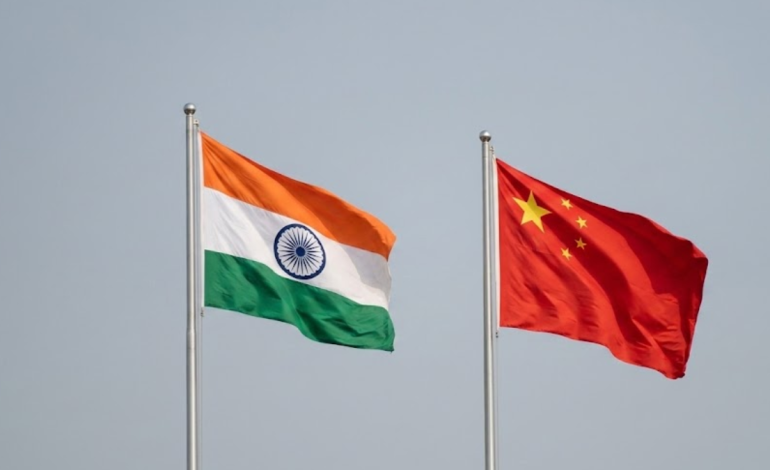
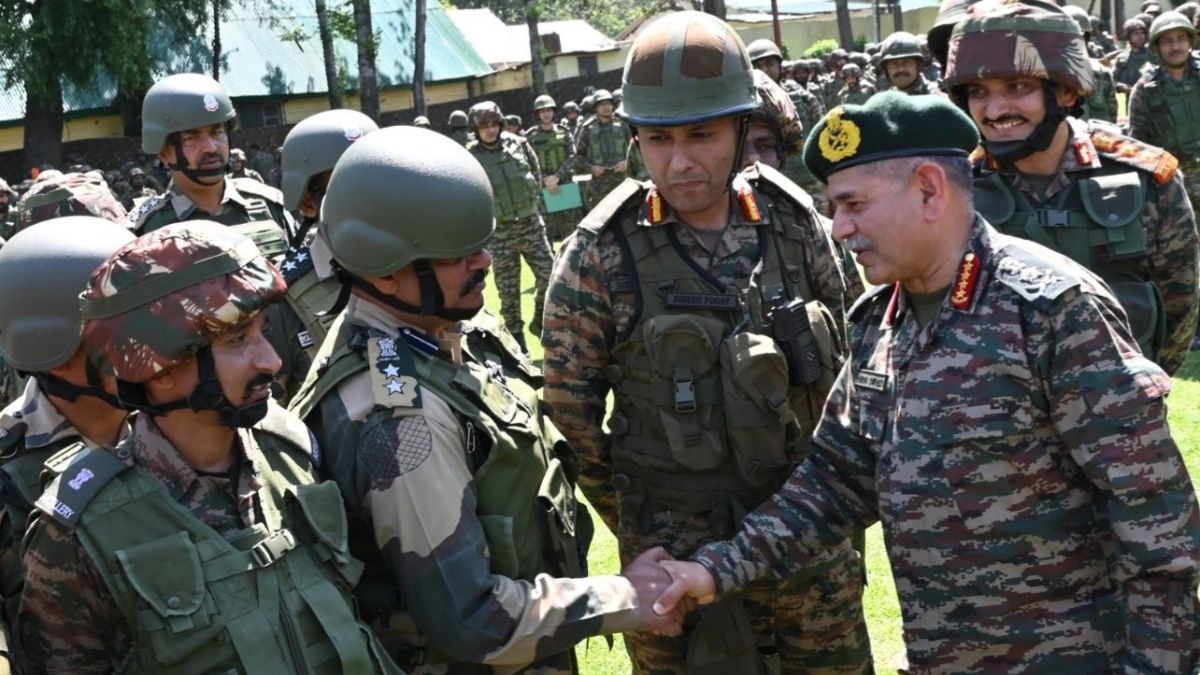
RNA illustration for representation.

New Delhi: India and China are set to hold their first corps commander-level talks in Arunachal Pradesh on September 6, bringing senior military commanders from the eastern sector together as the two sides work to prevent differences along the line of actual control (LAC) from turning into fresh friction. The meeting at the Wacha-Damai border meeting point comes soon after New Delhi and Beijing agreed to strengthen military communication and border-management mechanisms.
Lieutenant General Girish Kalia, commander of the Indian Army’s 3 Corps, will represent India at the talks, according to ANI. The Rangapahar-based 3 Corps and Tezpur-based 4 Corps are responsible for the LAC in Arunachal Pradesh.
According to media reports, talks are expected to address differences over the position of Chinese troops in the area. India and China have different perceptions of the LAC, which has led to disputes on the ground.
The significance of the talks lies in bringing this level of military engagement to the eastern sector. Corps Commander-level meetings between the two militaries have so far largely been held at Chusul-Moldo in Ladakh, particularly after the 2020 Galwan valley clash.
Why the meeting is taking place now
The Wacha-Damai talks follow the 25th round of special representatives’ discussions in Beijing between the national security advisor, Ajit Doval, and the Chinese foreign minister, Wang Yi. The two sides reached an eight-point consensus during the meeting, including plans for two additional military hotlines and two new meeting points for senior commanders in the eastern and middle sectors.
The need for such channels is particularly important in sectors where communication arrangements are less extensive than in the western sector. A direct link between commanders can allow an emerging disagreement between patrols to be raised quickly at a senior level and help prevent a local incident from escalating.
India and China have also agreed that developments on the ground should be addressed promptly through existing diplomatic and military mechanisms, including the Working Mechanism for Consultation and Coordination (WMCC) and local commander-level meetings.
The new military channel is aimed at managing border friction, not settling the boundary dispute. India and China have discussed improving their understanding of the LAC in mutually agreed areas, but no specific areas or maps have been announced. The two sides have also reaffirmed their commitment to a “fair, reasonable and mutually acceptable” political settlement based on the 2005 Agreement on Political Parameters and Guiding Principles.
The Expert Group on Boundary Delimitation and the Working Group on Border Management under the WMCC are expected to pursue substantive outcomes, beginning with agreement on their terms of reference.
The two countries had already made progress on specific friction points in eastern Ladakh through the October 21, 2024 patrolling agreement covering Depsang and Demchok. India said the agreement completed disengagement at the friction points created during the 2020 military standoff.
The current focus is instead on ensuring that differences that continue to exist along the LAC can be handled through established military and diplomatic channels.
Why the 2020 crisis still matters
The push for stronger military communication comes from the experience of the Galwan valley clash in June 2020, when 20 Indian soldiers and four Chinese troops were killed.
The confrontation triggered a prolonged military standoff in eastern Ladakh, with both sides deploying large numbers of troops and building up military infrastructure. India also strengthened its military posture and rebalanced strike corps responsibilities for mountain warfare.
The crisis demonstrated how quickly differences along the LAC could develop into a wider military confrontation, making direct communication between commanders an important part of subsequent border-management efforts.
The diplomatic effort is continuing alongside military preparedness in the eastern sector. The Indian Army chief, General Dhiraj Seth, recently visited 3 Corps headquarters and was briefed on operational readiness and measures to enhance combat capability.
The former chief of defence staff, General Anil Chauhan, has described China as a long-term comprehensive challenge for India and stressed the need for vigilance, credible capabilities, clear agreements and adherence to them.
At the political level, India and China are also keeping other areas of engagement moving, including trade, religious pilgrimage and transborder rivers. The two countries have three designated border trading points, while China has allowed more batches of Kailash-Manasarovar pilgrims.
An expert-level mechanism on transborder rivers is expected to meet in September to discuss hydrological data and memorandums of understanding.
Wang has said India-China relations have strategic and global significance beyond their bilateral differences, while Doval has maintained that a stable, predictable and forward-looking relationship would benefit both countries and Asia. During his Beijing visit, Doval also met Chinese vice-president Han Zheng.
The next round of special representatives’ talks is scheduled to be held in India in 2027.