

India, China add military hotlines in eight-point border push as Doval, Wang seek elusive settlement
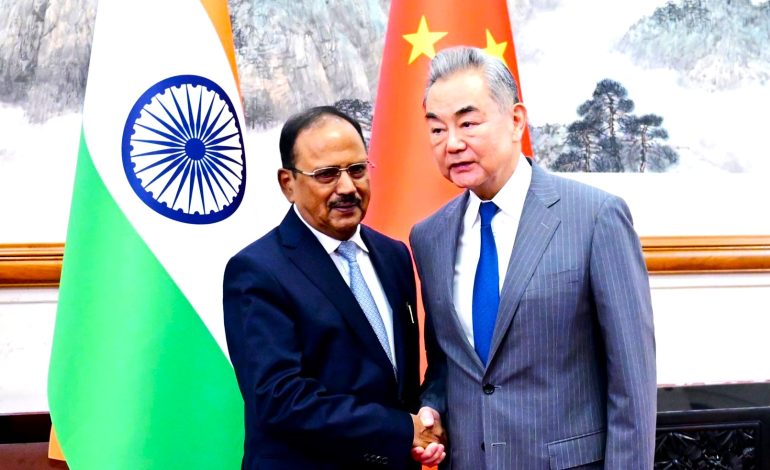
Ajit Doval (L) with Wang Yi in Beijing, on August 26, 2026. (Photo: Chinese foreign ministry)

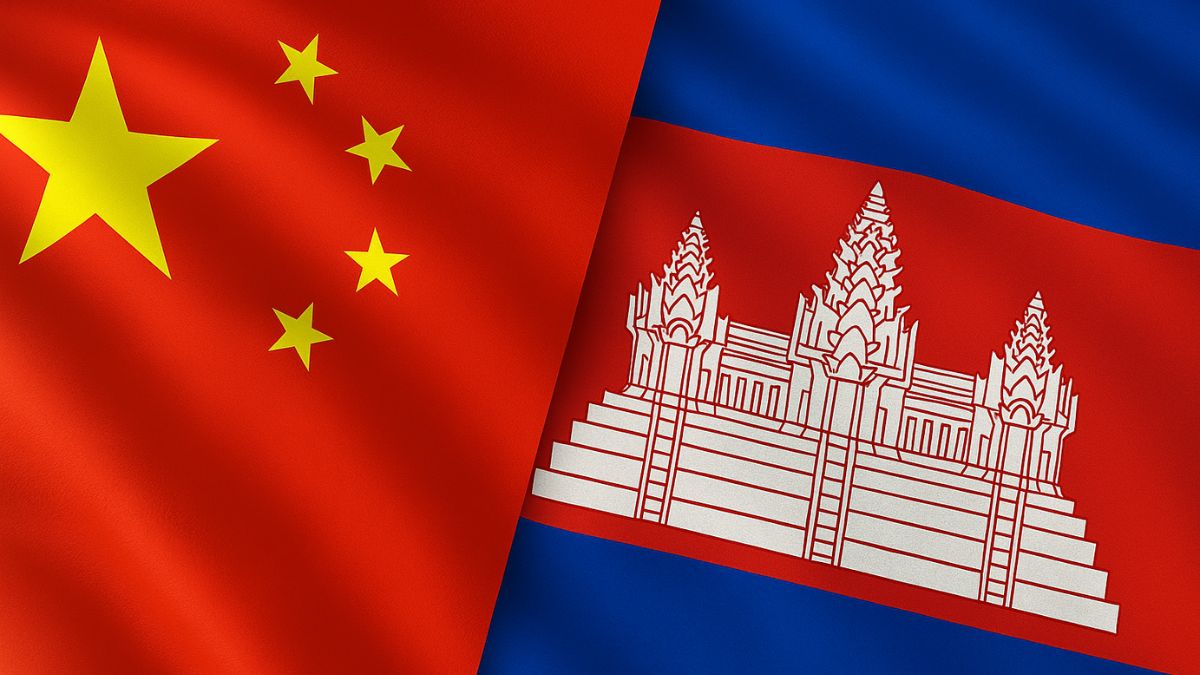
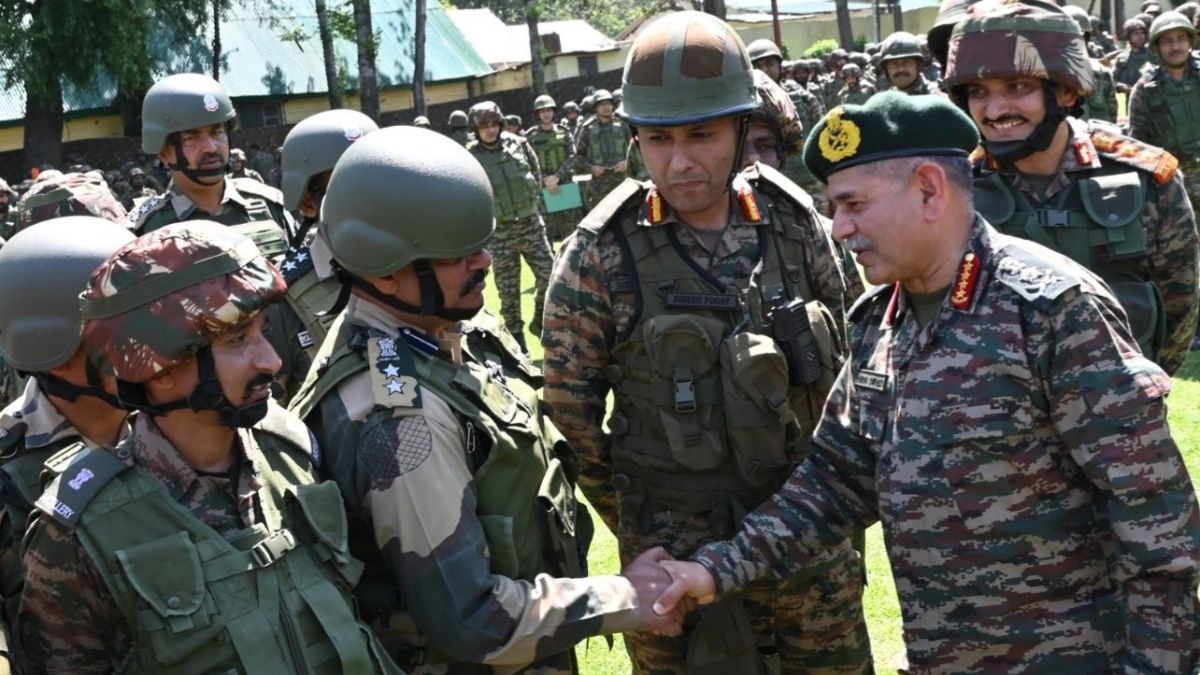
New Delhi: India and China have agreed to establish two additional military hotlines and create two new meeting points for senior commanders along their disputed frontier, expanding the channels available to prevent local incidents from escalating. The measures form part of an eight-point consensus reached during the latest boundary negotiations in Beijing, although neither side announced a breakthrough on delimiting the border or reducing troop deployments.
The agreements emerged from the 25th round of India-China Special Representatives’ talks on the India-China boundary question, co-chaired on Tuesday by the national security advisor, Ajit Doval, and the Chinese foreign minister, Wang Yi. As reported by RNA Media on Tuesday, the two officials reviewed border management, negotiations towards an eventual settlement and practical cooperation across the Himalayan frontier.
The additional commander-level meeting points and hotlines will be established in the eastern and middle sectors of the line of actual control (LAC), where established communication arrangements are less extensive than in the western sector. The two governments did not disclose their precise locations or specify when the new channels would become operational.
The agreement is intended to give Indian and Chinese commanders faster access to their counterparts when patrols encounter each other or disagreements arise over activity near the LAC. Such mechanisms can help contain a confrontation, but they do not resolve the underlying problem that the two countries have differing perceptions of where the LAC runs in several areas.
New Delhi and Beijing also agreed that developments on the ground should be addressed promptly through existing diplomatic and military channels. These include the Working Mechanism for Consultation and Coordination on India-China Border Affairs (WMCC), meetings between local commanders and other arrangements established by the two sides.
Significantly, the two countries discussed improving their understanding of the LAC in mutually agreed areas as part of stronger border management. The announcement, however, did not identify those areas or indicate whether the exercise would involve an exchange of maps – a process that has long remained stalled outside the middle sector.
The two sides reaffirmed their intention to pursue a “fair, reasonable and mutually acceptable” political settlement based on the Agreement on Political Parameters and Guiding Principles, signed in 2005. That agreement was designed to guide negotiations towards a comprehensive settlement but has not yet produced an agreed boundary framework.
An Expert Group on Boundary Delimitation and a Working Group on Border Management, both operating under the WMCC, will now seek an early and substantive outcome in their respective fields. Their immediate task will be to agree on terms of reference, meaning the scope, procedures and objectives under which the two bodies will function.
The distinction between the two groups is important because managing the LAC and settling the boundary are separate processes. Border management seeks to prevent confrontations pending a settlement, whereas delimitation requires the two governments to agree on the alignment of the boundary before it can eventually be demarcated on the ground.
Doval and Wang noted that the border areas had remained broadly peaceful since the 23rd round of special representatives’ talks in December 2024. That meeting followed the October 21, 2024, patrolling agreement covering Depsang and Demchok in eastern Ladakh, which India said completed disengagement at the friction points created during the 2020 military standoff.
The latest consensus did not announce a fresh disengagement arrangement, a timetable for wider de-escalation or a reduction in the substantial military infrastructure built by both countries near the frontier. Its immediate value therefore lies in strengthening crisis-management mechanisms and restoring a structured negotiating process rather than materially altering the military balance along the LAC.
Relations had deteriorated sharply after the Galwan valley clash in June 2020, in which 20 Indian soldiers and – according to Beijing − four Chinese troops were killed. The confrontation triggered a prolonged stand-off in eastern Ladakh, the deployment of tens of thousands of troops and armour, and an extensive series of military and diplomatic negotiations.
The eight-point outcome also covered practical cooperation across the border, including trade, religious pilgrimage and transborder rivers. Both sides welcomed the resumption of commerce through three designated border trading points, and India acknowledged China’s decision to permit more batches of pilgrims to undertake the Kailash-Manasarovar Yatra in the Tibet Autonomous Region.
An expert-level mechanism on transborder rivers is expected to meet in September to discuss hydrological information and the renewal of relevant bilateral memorandums of understanding. Timely upstream data from China is important for India’s flood forecasting and disaster preparedness, particularly in areas affected by the Brahmaputra and Sutlej river systems.
The talks took place during a broader but cautious normalization of India-China relations following the Ladakh disengagement process. The two countries described the latest discussions as comprehensive and candid, while agreeing to continue seeking a mutually acceptable boundary settlement.
Wang argued that India-China relations now carried strategic and global significance beyond their bilateral dimension, and urged both countries to manage differences without allowing the boundary question to halt wider engagement. The Chinese foreign ministry said he called for dialogue, consultation and cooperation to become the dominant features of border affairs.
Doval said a stable, predictable and forward-looking relationship served the interests of both countries and the wider Asian region. He maintained that India and China should be cooperative partners rather than competitors but emphasized the need to manage the border effectively and continue searching for a settlement.
As RNA Media reported on Tuesday, Doval also met the Chinese vice-president, Han Zheng, during his Beijing visit and discussed the broader bilateral relationship. The engagement comes as the two Asian powers seek to rebuild political and institutional contact without setting aside their territorial differences or competing strategic interests.
The “special representatives” mechanism was established in 2003 to approach the boundary question from the political perspective of the overall relationship. Although 25 rounds have helped establish agreements and communication structures, they have yet to deliver the framework required for a final territorial settlement.
The 26th round of India-China Special Representatives’ talks will be held in India in 2027. Until then, the effectiveness of the Beijing consensus will be judged by whether the new mechanisms become operational, prevent fresh confrontations and produce measurable progress beyond the familiar commitment to continued dialogue.