
Rajnath Singh to visit Sri Lanka for defence talks, Indian Ocean security cooperation
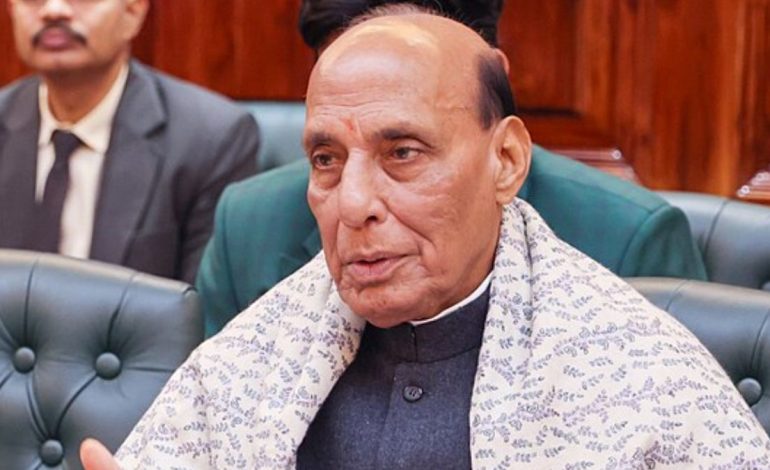
Rajnath Singh. (File photo)

New Delhi: The defence minister, Rajnath Singh, will visit Sri Lanka from September 8 to 10 for high-level consultations aimed at strengthening bilateral defence and maritime security cooperation. He will lead a delegation of senior officials from the ministries of defence and external affairs, according to a Ministry of Defence statement issued on Sunday.
Singh will hold talks with the Sri Lankan leadership on bilateral and regional issues and meet members of the Indian community in Colombo. The visit comes as New Delhi and Colombo seek to translate their expanding strategic relationship into closer operational cooperation between their armed forces.
Although the government did not disclose the detailed itinerary, Sri Lankan media reports said Singh was expected to meet the president, Anura Kumara Dissanayake, who also holds the defence portfolio, the prime minister, Harini Amarasuriya, and the defence secretary, Air Vice Marshal Sampath Thuyacontha (retired). Maritime security in the Indian Ocean and the implementation of the bilateral defence cooperation memorandum of understanding are expected to figure prominently in the discussions.
The agreement was signed during the prime minister, Narendra Modi’s, State visit to Sri Lanka in April 2025, when the two countries exchanged seven bilateral documents covering defence, energy, digital transformation, healthcare and development assistance. The defence pact established a broader institutional framework for military exchanges, training, joint exercises, humanitarian assistance and disaster relief, naval visits and possible defence-industrial cooperation.
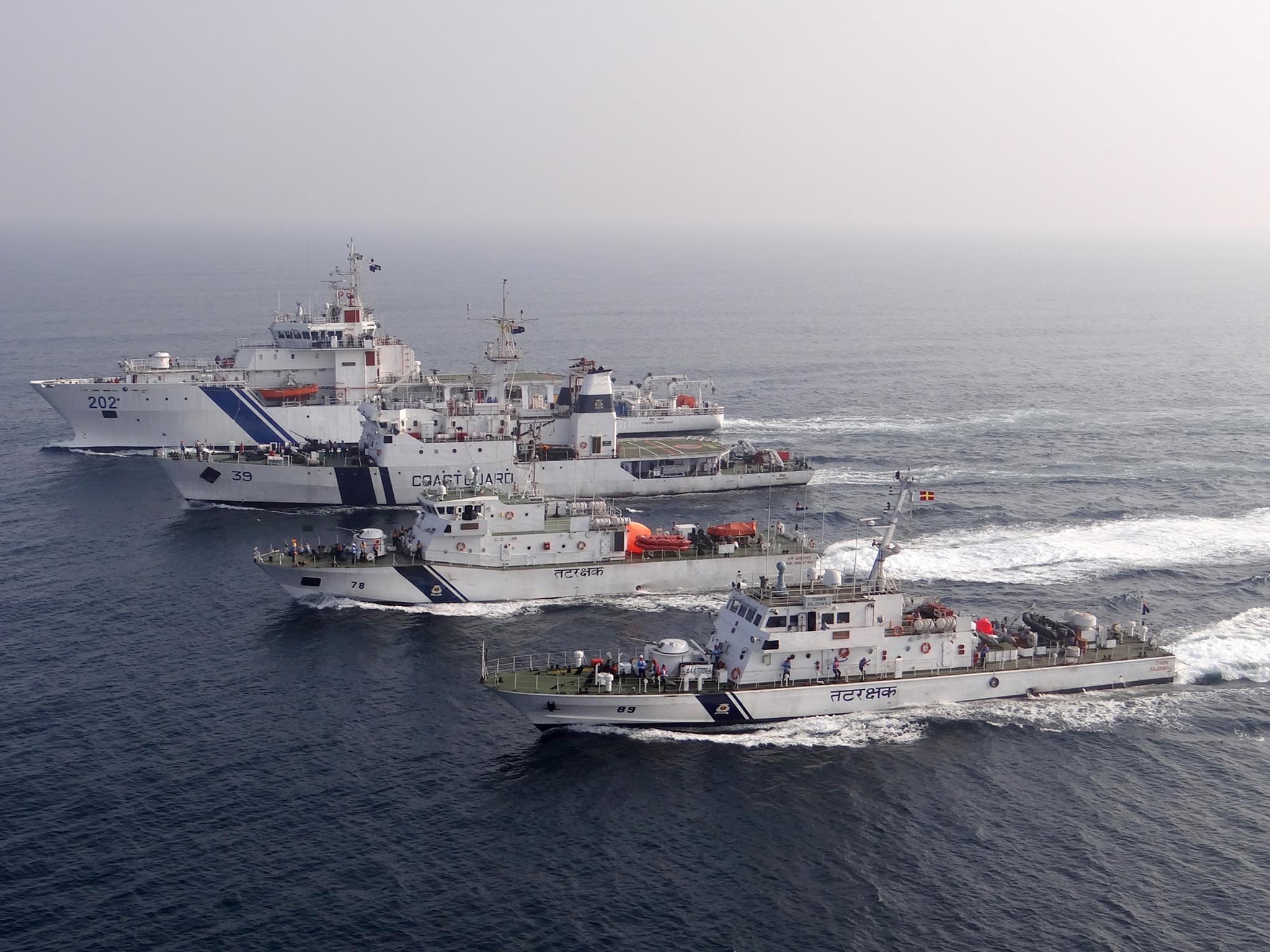
Defence engagement between the two neighbours already includes the Mitra Shakti Army exercise, the Slinex naval exercise, service-to-service exchanges and extensive training support for Sri Lankan military personnel. India offers about 1,200 training vacancies to members of the Sri Lankan armed forces every year, while a maritime rescue coordination centre established with Indian grant assistance has strengthened the island nation’s search-and-rescue capabilities, according to the Indian high commission in Colombo.
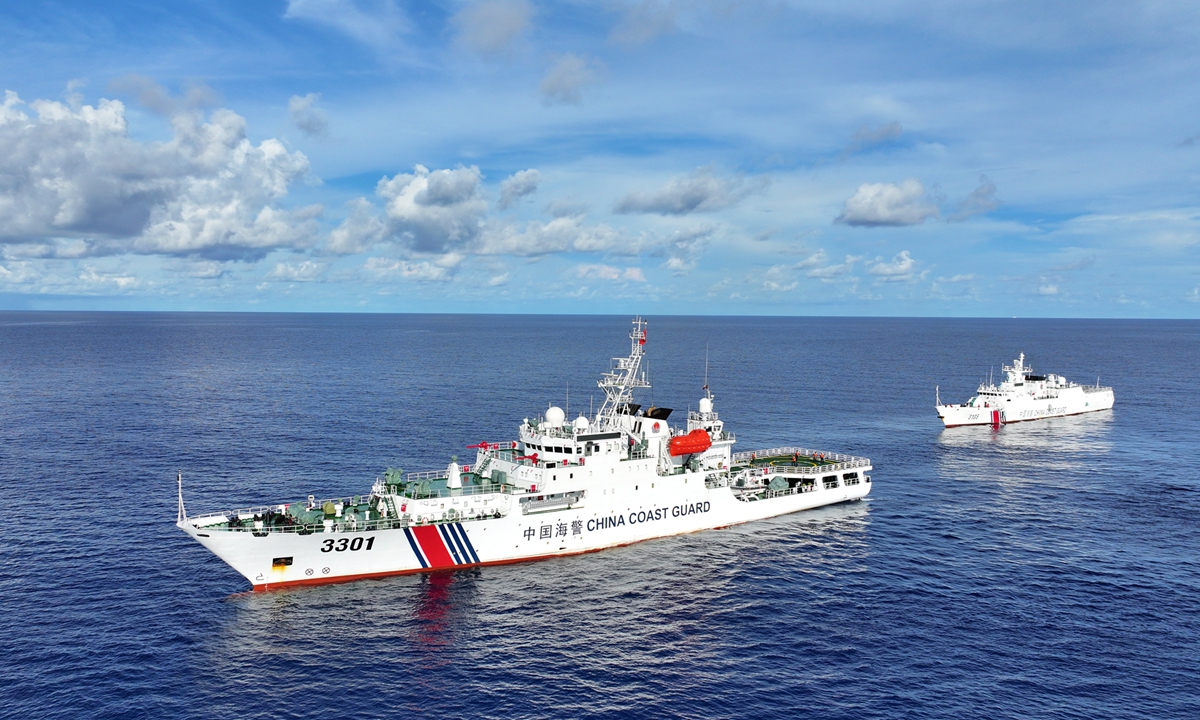
The talks will also be viewed against the strategic importance of Sri Lanka’s location astride some of the world’s busiest shipping routes. India regards stability in the island nation and security around its ports as central to its interests, particularly as extra-regional powers expand their diplomatic, commercial and maritime presence across the Indian Ocean.
During Dissanayake’s visit to New Delhi in December 2024, Sri Lanka reaffirmed that its territory would not be used in any manner detrimental to India’s security. The assurance remains an important element of bilateral strategic trust and provides the political foundation for deeper cooperation in maritime surveillance, information-sharing and regional security.
Relations have also been reinforced by India’s economic and humanitarian assistance during successive crises in Sri Lanka. New Delhi provided about $4.1 billion in financial and material support during the island nation’s 2022 economic emergency, including credit facilities for fuel, food, medicines, fertilizer and other essential supplies.
India subsequently mounted Operation Sagar Bandhu after Cyclone Ditwah devastated parts of Sri Lanka in November 2025, deploying ships, rescue teams, medical personnel and emergency equipment. Indian assistance eventually included more than 1,123 tonnes of relief material, while New Delhi also announced a $450-million package to support reconstruction and recovery.
The visit reflects India’s Neighbourhood First policy and its Mahasagar vision – Mutual and Holistic Advancement for Security and Growth Across Regions – which places maritime cooperation and crisis-response capabilities at the centre of engagement with Indian Ocean countries. For Colombo, closer cooperation with India offers access to military training, surveillance support, emergency assistance and capacity-building without requiring a formal alliance.
Singh’s discussions are expected to assess progress under the defence agreement and identify areas where the two countries can expand practical cooperation. The outcome will also indicate how New Delhi and Colombo intend to manage shared security concerns while preserving Sri Lanka’s strategic autonomy and maintaining stability in the wider Indian Ocean region.