


SpaceX rocket stage believed to hit Moon, Nasa to study impact as space debris concerns grow
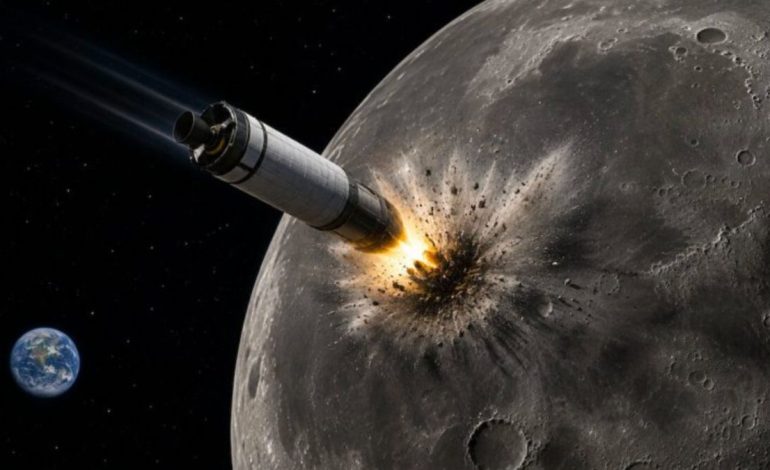
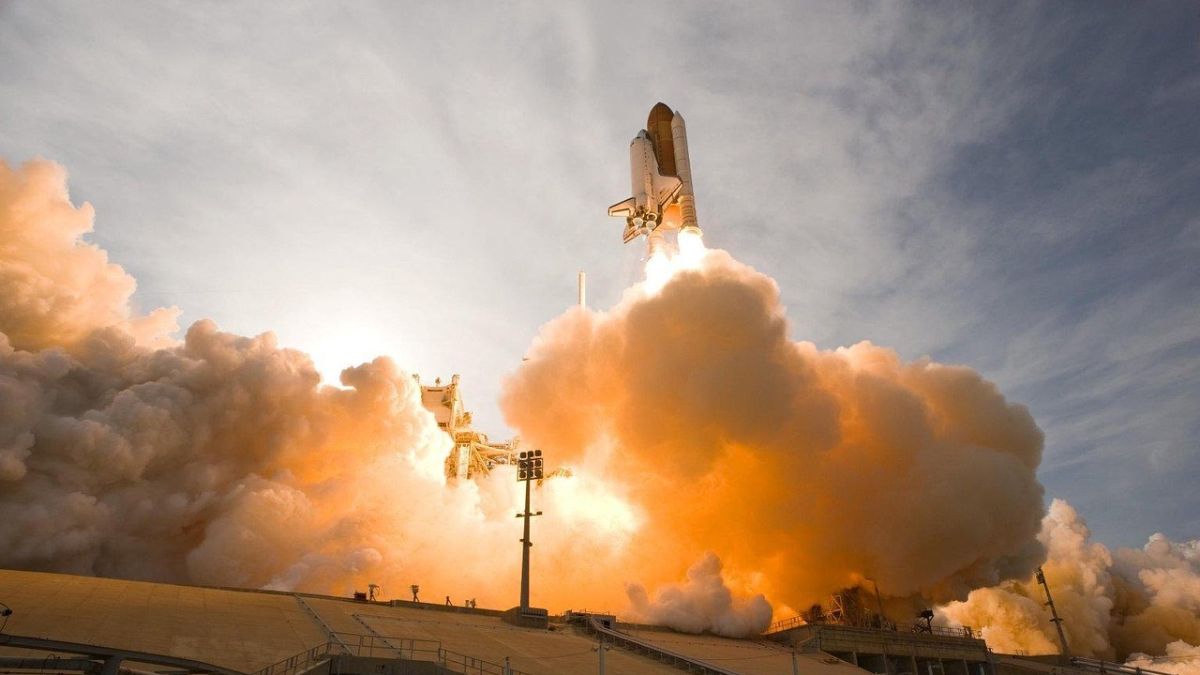
RNA Media illustration for representation.

New Delhi: A discarded SpaceX Falcon 9 rocket stage is believed to have struck the Moon on Wednesday after spending months drifting through deep space. Scientists are now analyzing data from telescopes and spacecraft to confirm the impact and study the crater it may have created.
The impact is believed to have taken place near Moon’s Einstein crater, close to the time predicted by astronomers. While the collision could not be seen with the naked eye, observatories around the world tracked the event.
Nasa said the impact offers a rare opportunity to study how craters form on the Moon. Scientists will also use the data to improve methods for tracking large objects travelling through space.
Astronomers are waiting for fresh images of the impact site. Nasa’s Lunar Reconnaissance Orbiter is expected to photograph the area and compare it with older images to identify the new crater.
Early observations suggest the collision happened as expected. A telescope operator in Chile reported changes in brightness around the predicted impact time, although researchers say it will take several days before the impact can be confirmed with certainty.
As previously reported by RNA Media, the Falcon 9 upper stage launched in January 2025 during a NASA-supported commercial mission carrying two lunar landers. After completing its mission, the rocket stage remained in space instead of returning to Earth.
According to Nasa, gravitational forces and solar activity gradually changed the object’s orbit over several months. The inactive rocket stage eventually entered a path that led to an unavoidable collision with the Moon.
Scientists say the event is valuable because they knew the rocket’s size, speed and trajectory before impact. That makes it easier to compare computer models with what actually happened on the lunar surface.
The incident has also renewed attention on space debris. Thousands of inactive satellites, rocket stages and fragments are already orbiting Earth, while more hardware is being sent towards the Moon every year.
Experts warn that uncontrolled objects may become a challenge as more countries and private companies plan lunar missions. Future bases, scientific instruments or spacecraft could face risks if spent rocket stages are not disposed of safely.
The impact is only the second confirmed case of an accidental rocket stage striking the Moon. Scientists believe studying the aftermath will help improve future mission planning and debris tracking.
The event comes as global interest in the Moon continues to grow. Nasa’s Artemis programme, commercial lunar missions and India’s expanding lunar plans after Chandrayaan-3 are expected to increase traffic around the Moon in the coming years.
Although the impact poses no danger to Earth, researchers say it highlights the need for better international rules on disposing of spacecraft after they complete their missions. They say responsible space operations will become increasingly important as lunar exploration enters a new phase.