India’s NavIC regains four-satellite strength with Isro’s NVS-03 launch
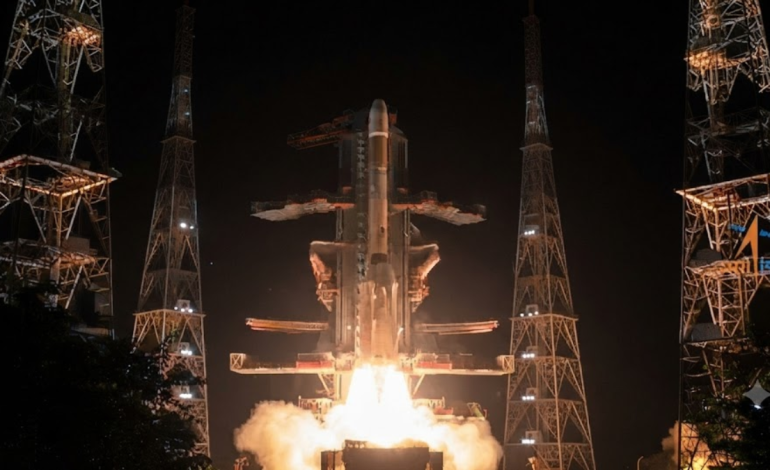
India's NavIC regains four-satellite strength with Isro's NVS-03 launch. (Image courtesy: X/@MEAIndia)

New Delhi: India’s indigenous navigation system, NavIC, has returned to its minimum operational strength of four satellites after the Indian Space Research Organization (Isro) launched NVS-03 on Friday. The launch is expected to improve the reliability of navigation services and strengthen India’s independent capabilities.
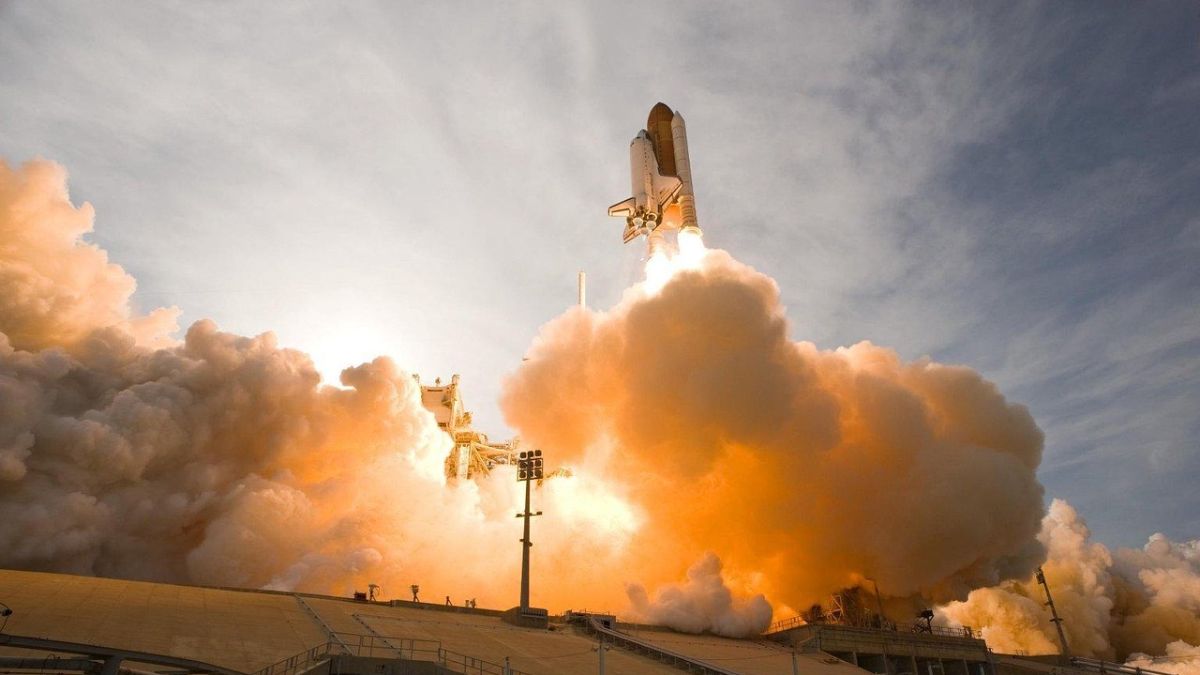
The satellite was launched aboard the GSLV-F18 rocket from the Satish Dhawan Space Centre in Sriharikota, Andhra Pradesh, at 11.51pm. It reached its designated orbit after a flight of about 18 minutes, the 20th flight of the GSLV.
Weighing 2,232kg, NVS-03 is part of Isro’s second-generation navigation satellite series. It will join three other operational satellites to provide NavIC coverage across India and up to 1,500km beyond its borders.
NavIC provides positioning and timing services across India and surrounding areas, reducing dependence on foreign navigation systems such as the US-operated GPS. Its applications include tracking trains, vehicles and ships, maritime navigation and disaster management.
The new satellite carries an indigenously developed atomic clock to support accurate timing services and improve the reliability of NavIC signals.
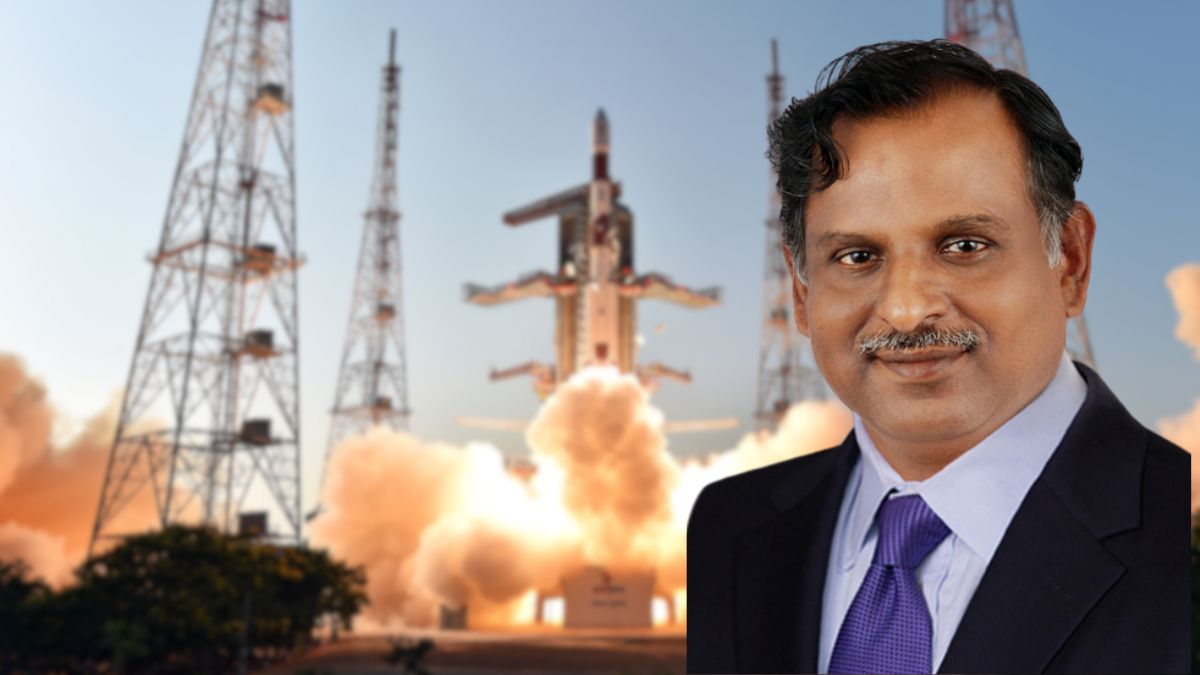
The Isro chairman, V Narayanan, described NavIC as a strategic national asset, highlighting its role in providing India with independent navigation and timing capabilities. He also linked the system to the government’s “one nation, one time” initiative, which aims to strengthen India’s standard time system.
The prime minister, Narendra Modi, welcomed the launch, congratulated Isro’s team and highlighted the mission’s contribution to India’s growing space capabilities. He also underscored the importance of strengthening the country’s own navigation system.
The defence minister, Rajnath Singh, congratulated Isro scientists and engineers, saying the launch would strengthen India’s strategic technology capabilities and support the vision of Atmanirbhar (self-reliance) Bharat.
The Union minister of state for science and technology, Jitendra Singh, also praised the team, calling the mission another milestone for India’s space programme. He credited space sector reforms under Modi with contributing to the country’s progress.
Narayanan said nearly 80 per cent of the mission budget went to domestic industries, highlighting their growing role in India’s space programme. He also noted that the launch took place just 56 days after the previous GSLV mission.