
US approves $2.1bn Patriot missile deal for Ukraine as Kyiv resumes Russian refinery attacks
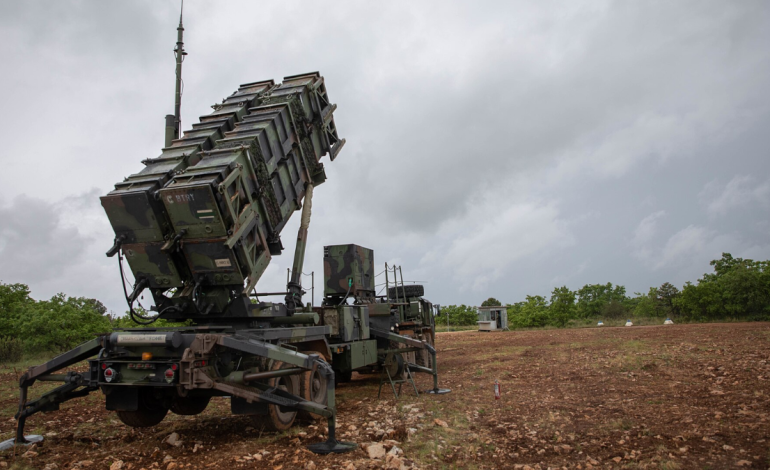
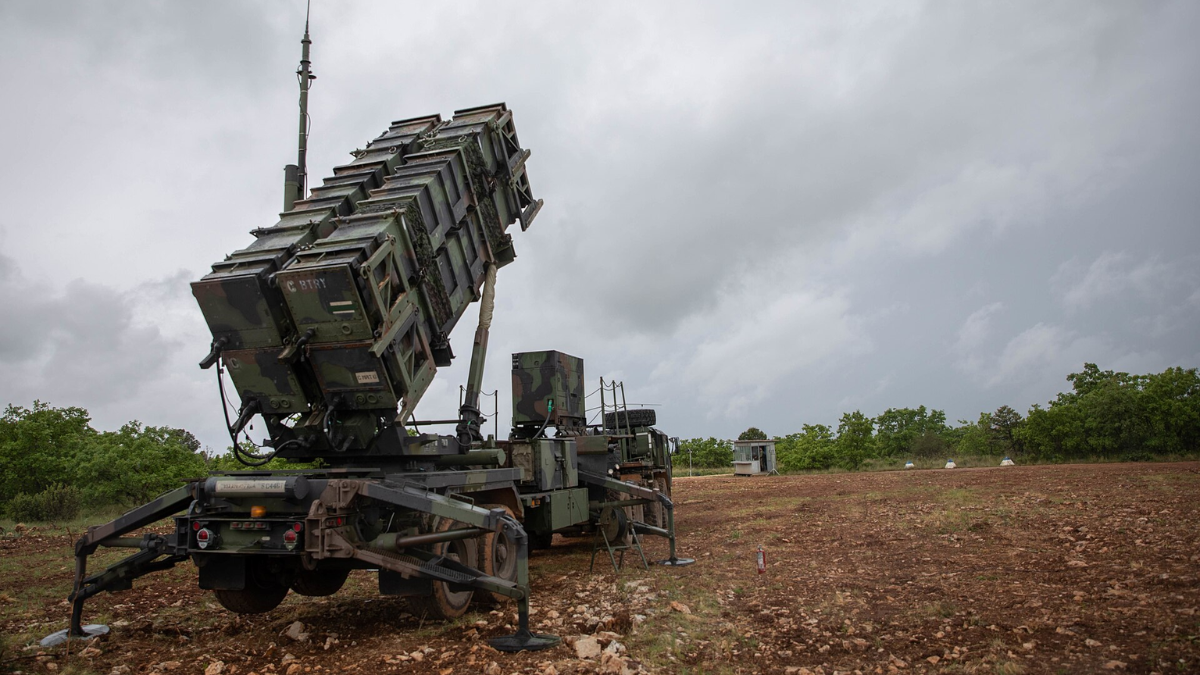
Representational image. (Image courtesy: Wikimedia)

New Delhi: The US has approved a possible $2.1bn sale of 500 Patriot interceptors to Ukraine, the first such move for Kyiv after the Starlink controversy. The decision comes amid continued tensions between Washington and Kyiv over Ukraine’s attacks on Russian oil refineries.
The Starlink controversy refers to the mid-October restrictions on SpaceX’s Starlink and Starshield services that disrupted Ukrainian military operations, which Ukraine and the US-linked parties have blamed on each other.
The US state department on Friday released details of the proposed sale of 500 Patriot advanced capability-3 missile segment enhancement (PAC-3 MSE) interceptors, along with spare parts, logistics and programme support. Lockheed Martin will be the principal contractor.
The $2.1bn package will be funded by Canada, Germany and Norway through the Jumpstart programme, along with funds from the European Union’s Ukraine Support Loan. The US department said that no US government funds will be used.
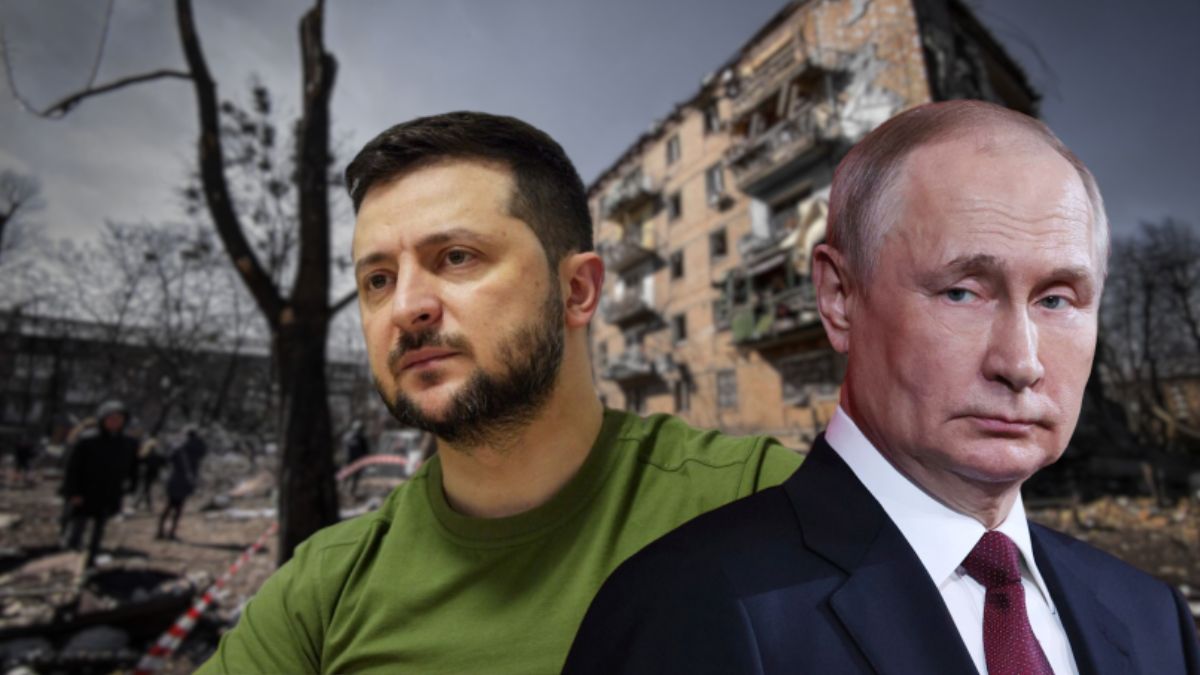
The Ukrainian president, Volodymyr Zelenskyy, welcomed the approval but called for immediate deliveries. He said the interceptors could provide significant protection during the winter of 2026-27, but deliveries under the new deal could take years.
Zelenskyy said Russia had carried out more than 30 strikes on critical parts of Ukraine’s power grid in the first two weeks of October. Kyiv had sought a winter support package of 100 Patriot interceptors every month. He urged partner countries to transfer missiles from existing stockpiles and replenish them through future production.
Ukraine resumes strikes on Russian oil refineries
Ukraine struck the Novokuibyshevsk oil refinery in Russia’s Samara region early on Friday, ending a pause in attacks on Russian refineries. The Ukrainian defence company Fire Point said its FP-1 drones hit the facility, including a diesel hydrotreating unit.
The attack came despite repeated pressure from the United States president, Donald Trump, on Kyiv to stop targeting Russian oil infrastructure. Ukraine had reportedly held back for about two weeks amid concerns that the strikes could complicate diplomatic efforts.
Washington’s mixed approach
The Trump administration’s handling of the conflict has taken a contrasting turn. After imposing sanctions on Russia to restrict the energy revenues funding its war in Ukraine, Washington issued a temporary exemption allowing Russian diesel supplies to reach the US market. The move came as the administration faced pressure to bring down fuel prices before the November 3 midterm elections.
Earlier this month, Trump announced a diesel supply arrangement with the Russian president, Vladimir Putin, saying Moscow would provide more than 300,000 tonnes immediately, followed by further shipments in November and the months ahead.
The US Treasury issued a temporary general licence allowing certain Russian diesel transactions, including imports into the US. The decision marked a sharp shift from Washington’s earlier use of sanctions to pressure Moscow over the war, as RNA Media reported earlier.
Trump also criticized Zelenskyy, blaming Ukraine’s attacks on Russian refineries for pushing up diesel prices and demanding that Kyiv stop the strikes. He said Zelenskyy had missed opportunities to reach an agreement with Moscow and questioned his leadership.
Washington has eased restrictions to secure diesel from Russia while asking Ukraine not to target Russian oil facilities. At the same time, it has approved a Patriot deal for Kyiv, funded by US allies, with the American defence firm Lockheed Martin as the contractor.