
Trump waives Russia sanctions: what the move means for India’s Russian oil purchases
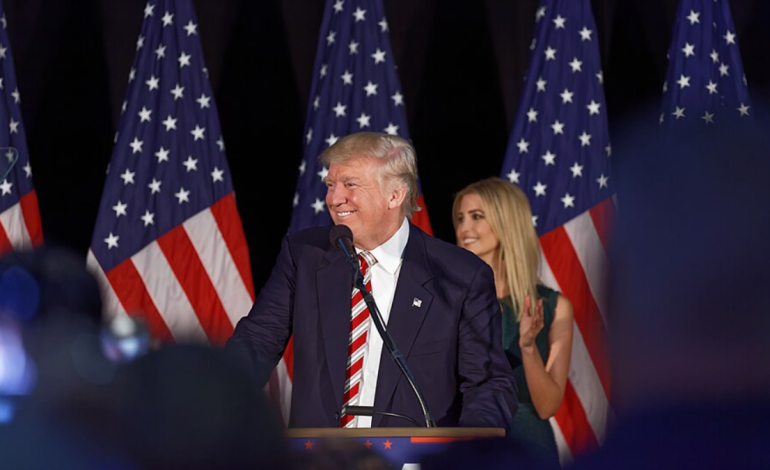
Trump waives Russia sanctions. (Image courtesy: Wikimedia)

New Delhi: Countries buying Russian oil, including India and China, have been relieved of the threat of additional US tariffs after the US president, Donald Trump, waived key measures targeting Moscow and its energy trade partners. The move comes as Trump himself pursues Russian diesel supplies for the American market, raising questions about Washington’s approach to Moscow while the war in Ukraine continues.
In an executive order issued on Friday, Trump waived specified sanctions, restrictions and duties under the Lindsey O Graham Sanctioning Russia and Iran Act of 2026. The White House said Trump had submitted a certification to Congress stating that the move was in the “national interests of the United States”.
The order came two days before the measures were due to take effect on October 18. It pauses the application of the specified provisions but does not permanently cancel the law or end all existing US sanctions against Russia.
What the US order changes
The law signed by Trump on September 18 was meant to increase economic pressure on Russia over its invasion of Ukraine. It authorizes an additional 500 per cent duty on goods from Russia and 100 per cent duties on goods from the five largest importers of Russian crude oil and natural gas under specified conditions, as RNA Media reported earlier.
The legislation also targets the five leading facilitators of Russian oil sanctions evasion. However, Trump’s order waives the relevant duties and other specified measures, preventing their immediate implementation.
The administration will continue monitoring countries’ purchases of Russian crude oil and natural gas. It will also track activities linked to sanctions evasion and report developments to the president, who retains the authority to restore the suspended measures.
India gets relief from tariff threat
India, one of the major buyers of Russian crude, faced the risk of additional US duties under the new law. The waiver removes the immediate threat of these specific penalties for countries covered by the order, although other tariffs and trade restrictions may still apply.
There were concerns over the potential impact of the proposed measures on India and its trade relationship with the US. The threatened duties had added another point of uncertainty to bilateral trade discussions, given India’s continued purchases of Russian energy.
The decision could give Indian refiners greater flexibility in sourcing crude from Russia without the immediate risk of the additional duties covered by the waiver. It does not, however, guarantee that Russian supplies will become cheaper or easier to access.
India may also face stronger competition from China for Russian crude. Demand from Chinese buyers, along with changes in Russian exports and disruptions to energy supplies from the Middle East, could affect the availability and price of oil for Indian refiners.
Trump seeks Russian diesel supplies
The waiver comes as Trump pursues Russian diesel supplies for international markets in an effort to ease pressure on fuel prices. The reported arrangement includes more than 300,000 tonnes of diesel initially, followed by 500,000 tonnes in November and 1 million tonnes thereafter, RNA Media reported.
Trump said a further 3 million tonnes had also been discussed over a short period, depending on refinery requirements. The final volumes and timing will depend on the terms of the arrangement and the ability of refineries to process the fuel.
The decision also comes ahead of the November 3 US midterm elections, when fuel prices could become a political issue. While Trump’s executive order formally cites national interests as the reason for the waiver, his efforts to improve fuel supplies come at a politically sensitive time.
Why Trump’s move is drawing criticism
The waiver has created a contrast between Washington’s stated aim of pressuring Moscow and Trump’s efforts to secure Russian fuel. The sanctions law was intended to make it more costly for Russia to continue its war against Ukraine by targeting its energy trade and those helping it bypass restrictions.
Russian oil and fuel sales can generate revenue for Moscow, raising concerns over their impact on the war in Ukraine. The Ukrainian president, Volodymyr Zelenskyy, has argued that easing restrictions on Russian energy exports could help Russia sustain its military activity, even as Washington seeks to limit the Kremlin’s resources.
Ukraine concerned about easing pressure on Moscow
Zelenskyy criticized Trump’s Russian diesel deal on Friday, warning that it could provide Moscow with more revenue to fund the war and could be followed by a similar agreement on natural gas. During a meeting with European leaders in Brussels, he thanked them for their support. However, no separate reaction from Zelenskyy to Trump’s October 16 waiver order has been reported so far.
Western countries imposed extensive sanctions on Russia after its full-scale invasion of Ukraine in February 2022. The measures sought to restrict Russian access to international markets and reduce revenue from key sectors, including energy.
Trump’s latest order does not dismantle the broader sanctions framework. The suspension of the key provisions under the new law is a departure from their immediate application and leaves room for additional policy adjustments.