


US Warns of Resuming Iran War As Tehran Tightens Grip On Hormuz
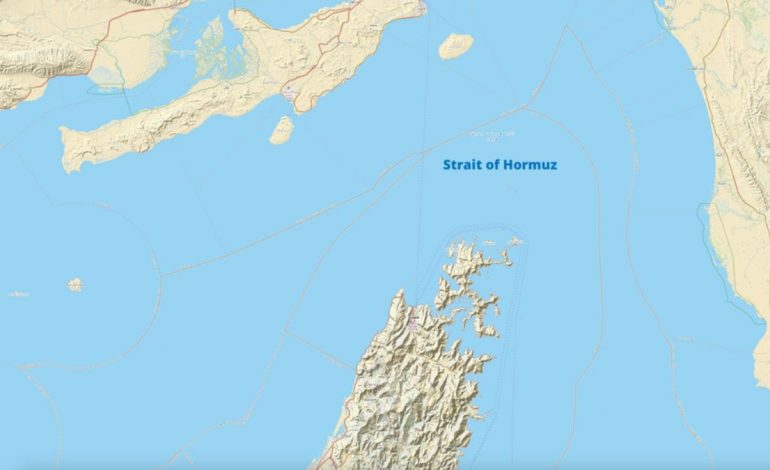
As tensions persist despite ongoing diplomacy, Iran has tightened control over the Strait of Hormuz while the United States warns it retains the capability to swiftly resume military operations if negotiations fail. Image courtesy: Wikimedia Commons.

The US warned on Saturday (May 30, 2026) that it was “more than capable” of resuming the war on Iran, even as War Secretary Pete Hegseth said the military operations could be restarted at will.
Meanwhile, Iran reasserted its sovereignty over the Strait of Hormuz, tightening its grip on the narrow waterway and warning both cargo vessels and warships to strictly adhere to its maritime traffic protocols.
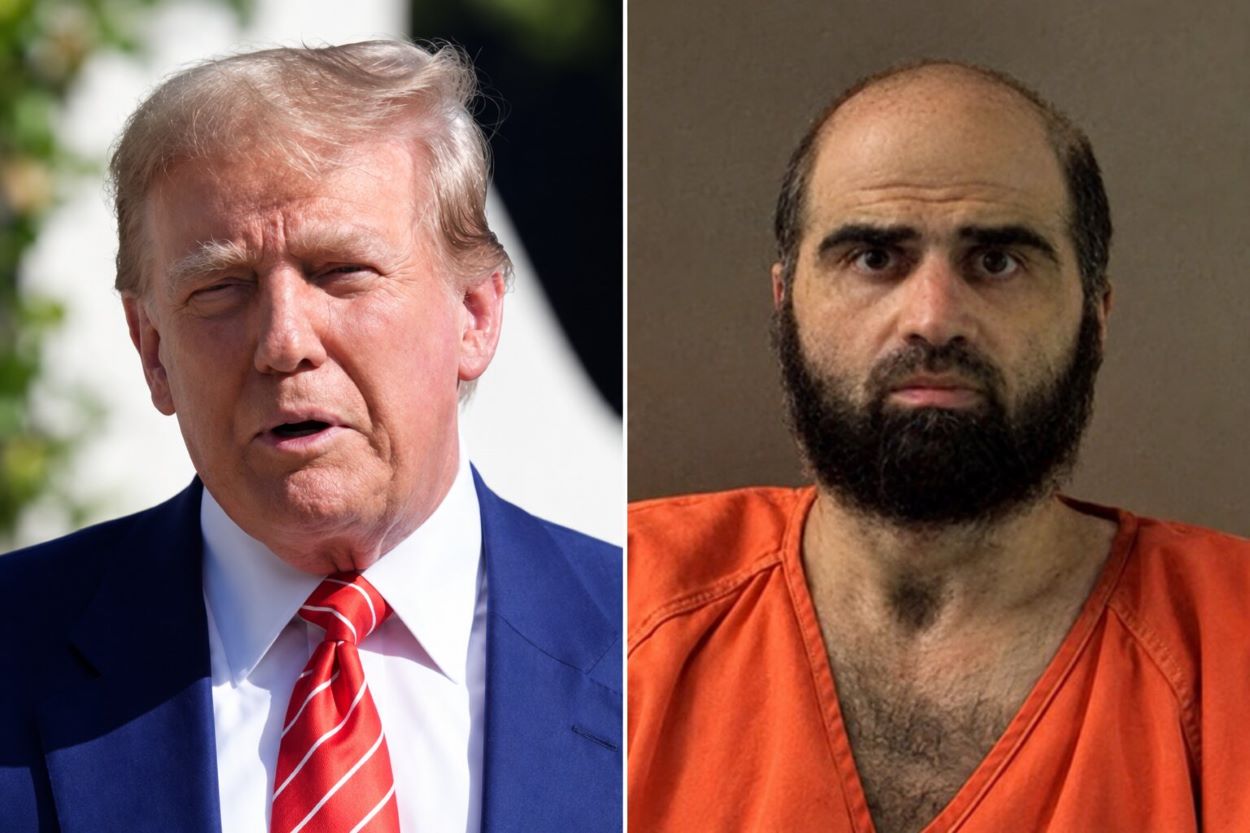
The US warning came after President Donald Trump said any peace deal with Iran must conform to his red lines, including Tehran not developing a nuclear weapon ever.
Earlier, the White House had signalled that Trump was close to deciding on an initial deal after weeks of dillydallying over the tenuous peace negotiations with Iran.
Tehran, though, has denied there was a final agreement on ending the West Asian war that has adversely impacted the global economy and energy security for over three months now.
At the Singapore-hosted Shangri-La Dialogue, Hegseth said Washington could restart the war if it wanted.
“Our ability to recommence if necessary is that we are more than capable, our stockpiles are more than suited for that, both there and around the globe, because of how we balance exquisite and more plentiful munitions,” the US Department of War Secretary said.
Meanwhile, in a statement, Iran’s Khatam al-Anbiya Central Headquarters said, “The management of the Strait of Hormuz is exercised with full authority by the Armed Forces of the Islamic Republic of Iran.”
It emphasised that “all ships, commercial vessels, and tankers, are required to travel through the designated routes and obtain permission from the Islamic Revolutionary Guard Corps Navy. Any violation of these regulations will seriously jeopardise the security of their traffic.”
Iran also cautioned that international naval contingents deployed in West Asia, asserting that any disruption to shipping administration or vessel traffic would trigger a swift countermeasure.
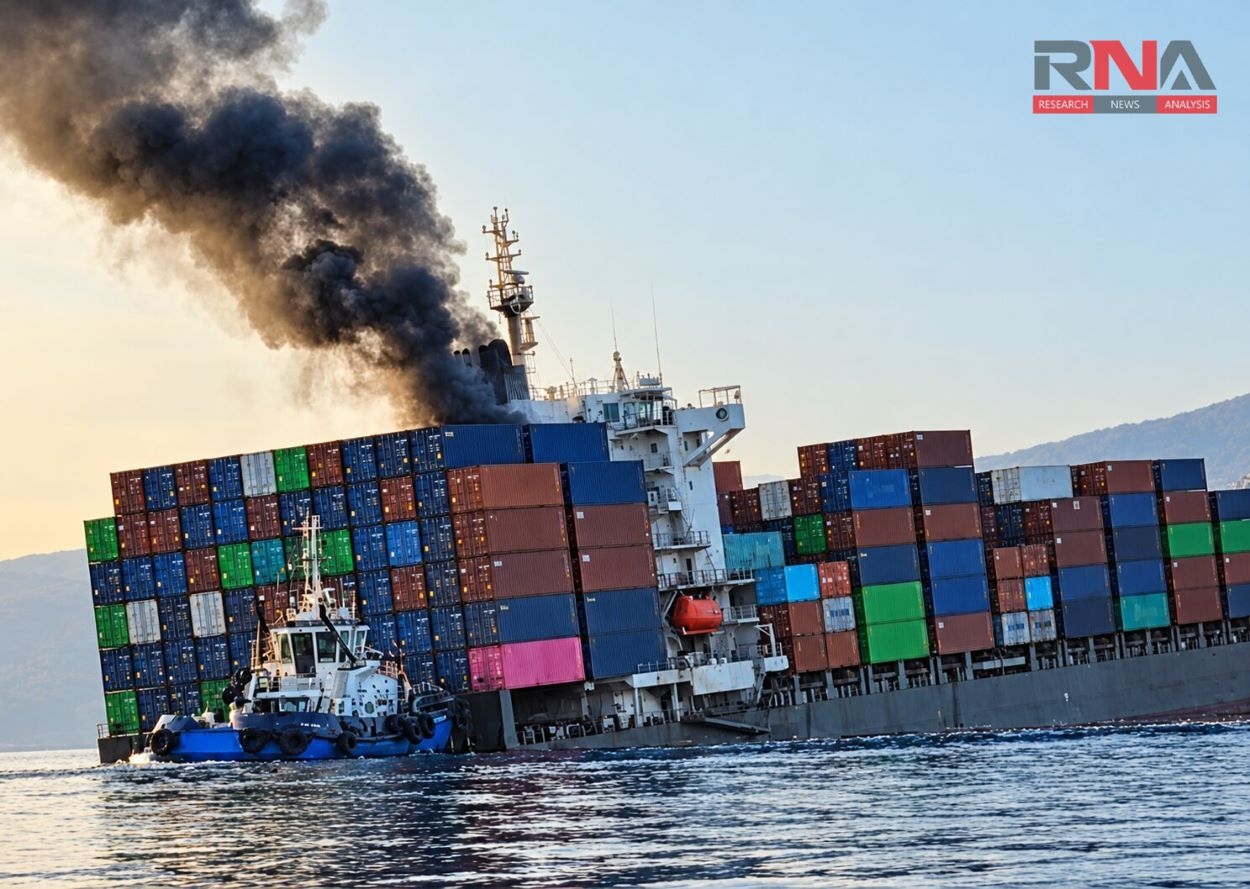
The US, meanwhile, claimed it stopped a Gambia-flagged merchant vessel from breaching its navy’s blockade of Iranian ports, firing a missile into the engine room.
Lian Star, the US Central Command, said ignored over 20 warnings from the American forces overnight as it attempted to enter an Iranian port.
Diplomacy on the West Asian conflict continued in parallel, with the Pentagon hosting Israel and Lebanon in Washington for talks.
Military officials from Israel and Lebanon held “productive” talks on Friday (May 29), a US official said, adding that the meeting will complement upcoming diplomatic discussions.
“Today at the Pentagon, I hosted military delegations from Israel and Lebanon for the security track supporting the ongoing peace talks between their two countries,” Elbridge Colby, the Pentagon’s second-in-command, said on X.
“We held productive military-to-military discussions which will inform the Department of State-led political track next week,” he said. “The United States anticipates reconvening soon to continue the security track.”
Lebanese officials, though, expressed disappointment over the US-brokered security talks with Israel at the Pentagon.
“The meeting at the Pentagon achieved no progress, particularly about a comprehensive ceasefire,” Al-Araby Al-Jadeed, an Arabic-language media outlet published from London. claimed.
The meeting “did not yield practical results as desired by Lebanon,” the report quoted an unnamed Lebanese military official.