
South Korea tests first homegrown hypersonic weapon days after North Korean launch
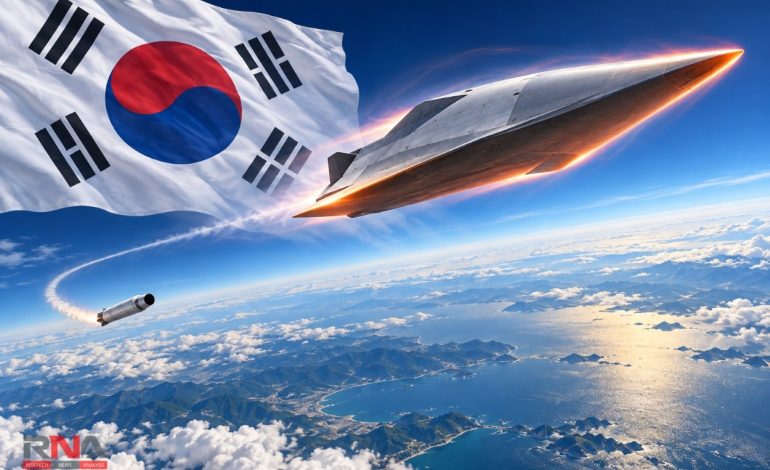
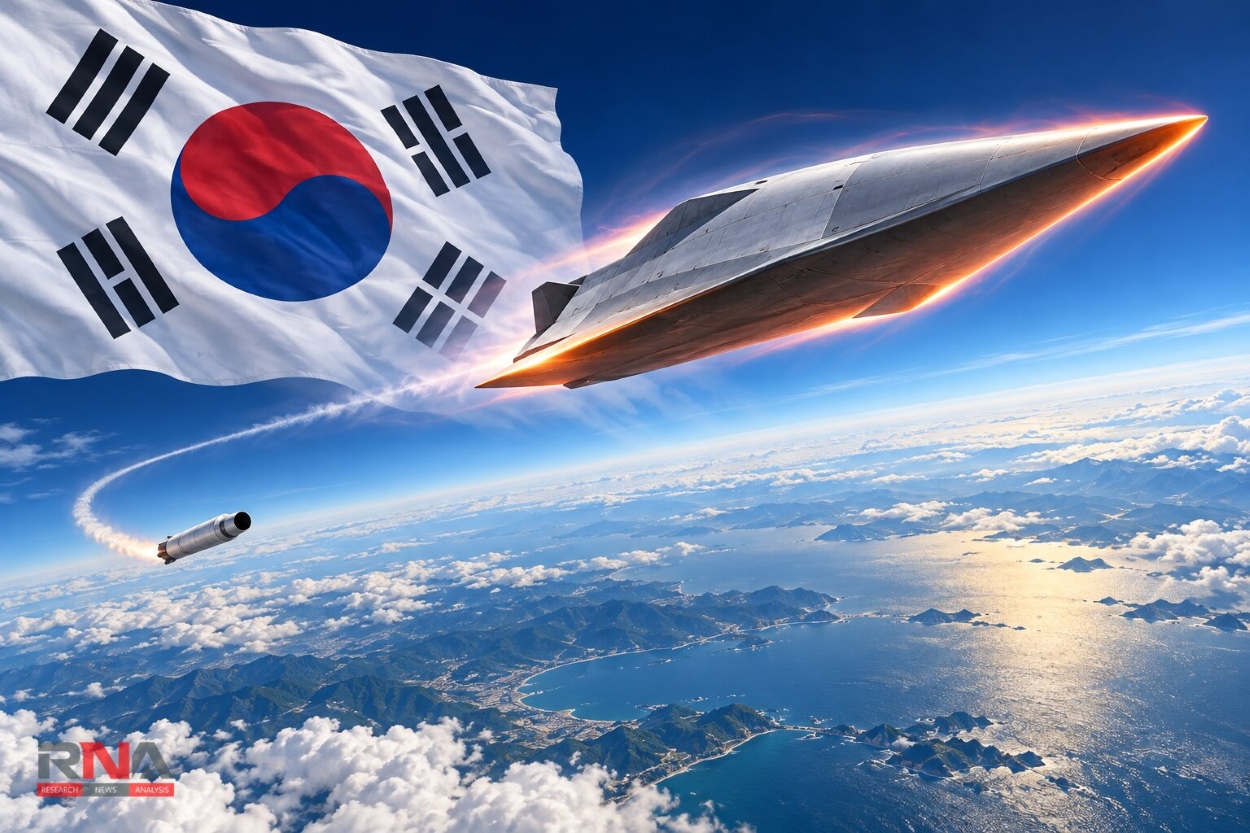
RNA Media illustration for representation.

New Delhi: South Korea test-fired its first domestically developed hypersonic weapon on Thursday, advancing a programme intended to give its military a fast, manoeuvrable means of striking critical targets across the Korean Peninsula. The president, Lee Jae-myung, observed the launch, which came five days after North Korea conducted a drill involving its own claimed hypersonic missile system.
According to the country’s presidential office, the South Korean vehicle separated from its rocket booster at the intended altitude, descended and changed course both horizontally and vertically before hitting a test target. The authorities presented the flight as a successful demonstration of technologies needed for precision strikes, although the weapon remains under development.
The test examined more than the vehicle’s speed: it also assessed thermal protection materials, guidance and control systems, and its ability to manoeuvre at lower altitudes. These are central engineering challenges for a weapon that must withstand intense aerodynamic heating while retaining the ability to adjust its flight path.
Lee urged researchers to accelerate development and deployment, describing stronger indigenous military capabilities as essential to national security. However, the presidential office’s account, did not provide a deployment date.
A hypersonic glide vehicle is carried aloft by a rocket before separating and gliding through the atmosphere at very high speed. Hypersonic flight generally means at least Mach 5 – five times the speed of sound – but the military significance of such weapons also lies in their altitude and manoeuvrability.
As the US Government Accountability Office explains, changing direction during flight complicates tracking and makes the intended target harder to predict. The combination of speed and an irregular trajectory can challenge missile defences, but the hypersonic label alone does not establish that a particular weapon can defeat every interception system.
The South Korean announcement described a potential conventional strike capability rather than a nuclear weapon. Its successful test flight marks progress towards that capability, while Lee’s call for further refinement indicates that development work remains before it becomes a dependable operational asset.
The launch followed North Korea’s missile drill on October 3, which its state media said was overseen by the country’s leader, Kim Jong-un. Pyongyang described the exercise as training for troops operating a hypersonic strategic weapon system and linked it to strengthening its nuclear deterrent.
North Korea said its missile struck a target about 1,000 kilometres away, while South Korea assessed its flight at more than 700 kilometres and Japan estimated about 680 kilometres. Japan said the missile landed outside its exclusive economic zone, underscoring the regional concern surrounding Pyongyang’s weapons programme.
Kim’s influential sister, Kim Yo-jong, argued that the differing estimates demonstrated shortcomings in South Korean and Japanese tracking capabilities. Seoul rejected that claim, with its defence ministry saying that South Korean and US assets had monitored the launch and could detect and intercept the missile.
The competing launches have taken place against heightened tensions over a September 21, landmine explosion inside the demilitarized zone that injured three South Korean soldiers. Seoul blamed North Korea and demanded an apology, while Pyongyang denied responsibility and warned against retaliatory action.
The confrontation complicates Lee’s efforts to reopen engagement with the North while strengthening South Korea’s conventional defences and reducing its military dependence on the United States. As the Associated Press reported, there was no immediate North Korean response to Seoul’s latest test.