


Russia orders to shut German consulate in St Petersburg as Leipzig drone dispute worsens diplomatic rupture
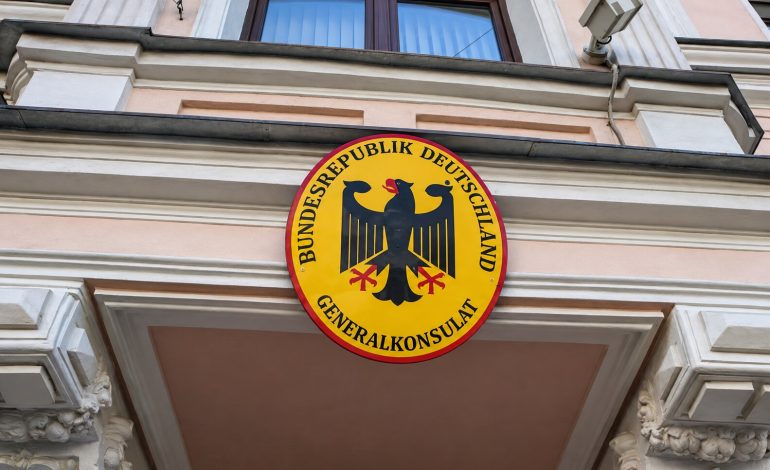
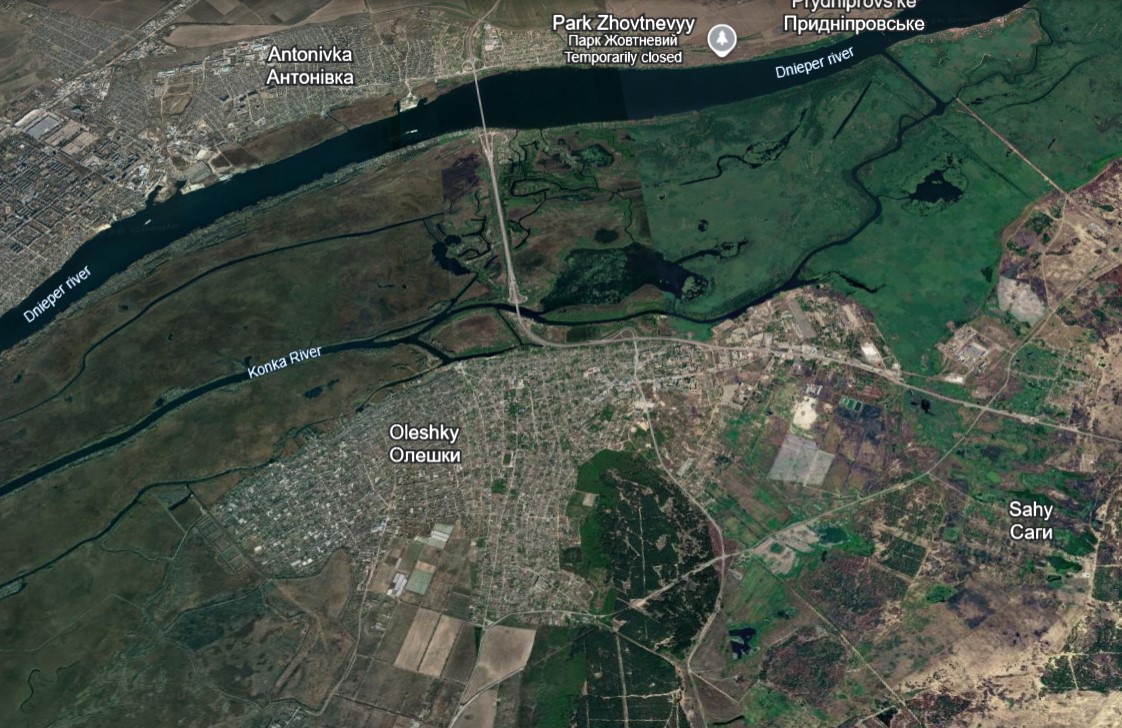
The German consulate in St Petersberg. (Photo: Google Maps/Marina Nizaeva)

New Delhi: Russia has ordered Germany to close its consulate general in St Petersburg by September 18, as relations between the two countries sink to their lowest level since the Cold War. All diplomats and other employees attached to the mission must leave Russia by the deadline, effectively ending Germany’s consular presence outside Moscow.
The Russian foreign ministry announced the decision on Monday, describing it as a direct response to Berlin’s planned closure of the Russian consulate general in Bonn. It accused the German government of provoking another escalation and said Berlin would bear responsibility for the consequences of its actions.
Germany had ordered the Bonn mission to close from September 18 and terminated the agreement governing the Russian House of Science and Culture in Berlin. It also announced tighter immigration checks for Russian nationals, additional intelligence measures and efforts to place more individuals linked to alleged Russian hybrid operations under European Union sanctions.
The latest confrontation arose from an incident at Leipzig/Halle airport on August 4, when German authorities discovered an explosives-laden drone close to a Ukrainian transport aircraft. The device was defused before it could explode at the airport, a major European freight hub that is also used to support Ukraine.
Berlin has attributed the attempted attack to Russia and classified it as part of a broader campaign of hybrid warfare involving sabotage, disinformation and attacks on European infrastructure. The German government has not publicly disclosed all the evidence behind its assessment, but it summoned the Russian ambassador and presented the incident as a deliberate attempt to undermine security and assistance for Ukraine.
Moscow has rejected the allegation as an “absurd fabrication” and portrayed Germany’s response as a politically motivated provocation. The Russian president, Vladimir Putin, claimed without providing supporting details that evidence had been planted to implicate his country.
Russia has also ordered the Goethe-Institut’s centres in Moscow, St Petersburg and Yekaterinburg to cease operations, with their employees required to leave the country by September 13. The decision extends the dispute beyond formal diplomacy into cultural relations, language education and academic exchanges that had survived much of the deterioration caused by the Ukraine war.
The German foreign minister, Johann Wadephul, characterized the cultural closures as unjustified and damaging, arguing that the Goethe-Institut had maintained valuable contact between Russian and German societies. The first Goethe-Institut in Russia opened in Moscow in 1992, shortly after the collapse of the Soviet Union, and became an important institution for German-language teaching and cultural cooperation.
Russia’s foreign minister, Sergey Lavrov, said Germany must have understood that closing the Russian House in Berlin would result in the termination of Germany’s cultural presence in Russia. He also used unusually confrontational language over the Leipzig allegations, suggesting that Germany’s actions marked the beginning of a “real war” and invoking the period preceding the Second World War.
The diplomatic infrastructure between the two countries had already been sharply reduced before the latest dispute. In 2023, Russia capped the number of German government personnel permitted in the country, prompting Berlin to close its consulates in Kaliningrad, Yekaterinburg and Novosibirsk and to restrict Moscow to one consulate in Germany.
The reciprocal closures in St Petersburg and Bonn will leave bilateral diplomatic operations concentrated principally in the German embassy in Moscow and the Russian embassy in Berlin. That contraction is likely to complicate visa processing, assistance to citizens, commercial liaison and the limited official contacts that remain between the two governments.
Germany was once heavily dependent on Russian energy and maintained one of Europe’s most extensive political and economic relationships with Moscow. Those ties collapsed after Russia launched its full-scale invasion of Ukraine in February 2022, leading Berlin to impose sanctions, reduce energy imports and become one of Kyiv’s principal European military and financial supporters.
The consulate dispute does not amount to a severance of diplomatic relations, but it removes another channel through which tensions could be managed. The accompanying closure of cultural institutions is especially significant because it weakens people-to-people engagement at a time when political dialogue between Moscow and Berlin has nearly frozen.