

Indian Army’s new land-warfare doctrine sets course for future conflicts, Rajnath Singh urges long-term readiness
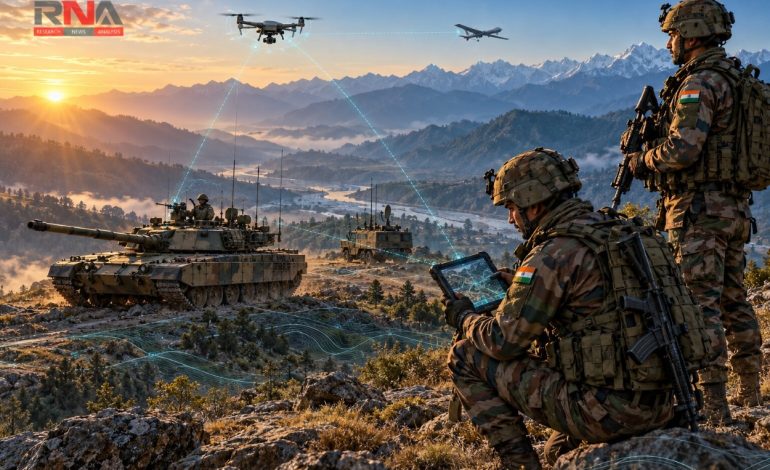
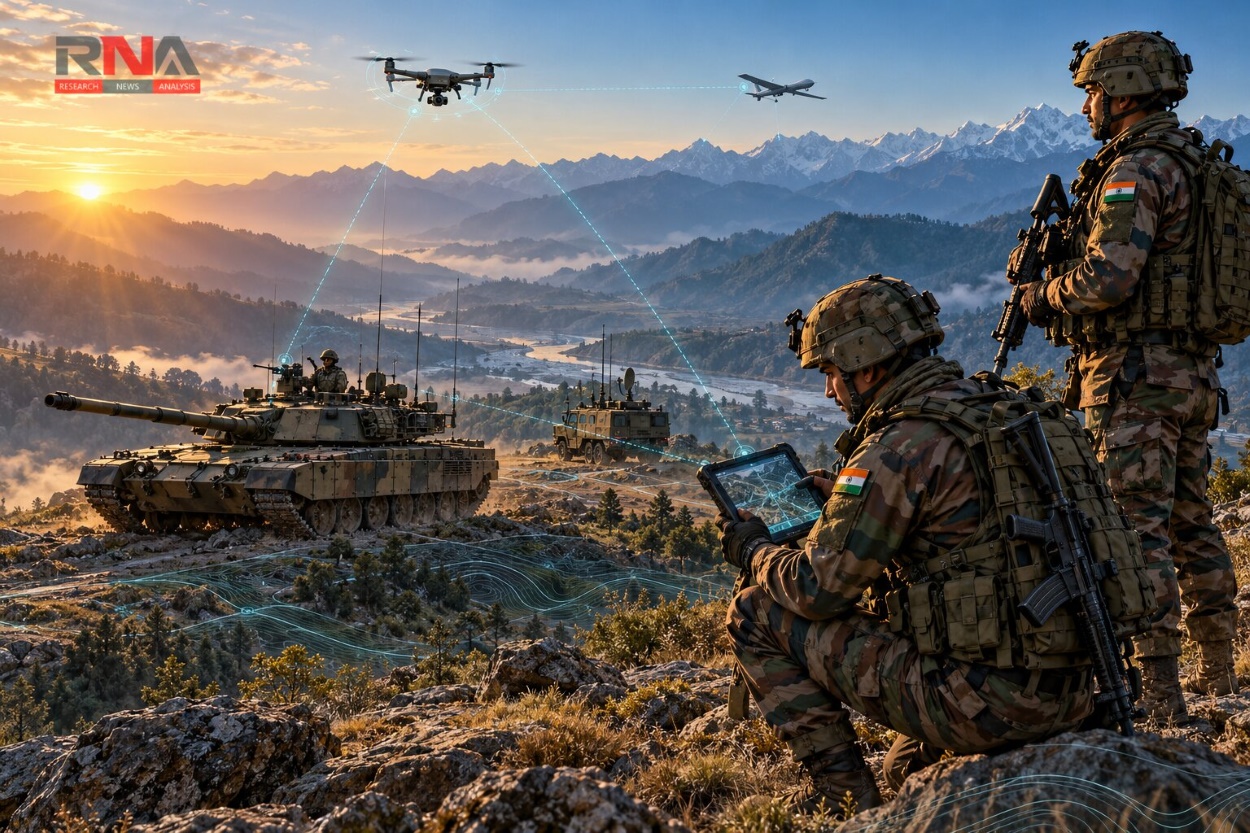
RNA Media illustration for representation.

New Delhi: The defence minister, Rajnath Singh, released the Indian Army’s updated land-warfare doctrine on Friday, while urging senior commanders to prepare for security challenges over the next 20–30 years. Addressing the Army commanders’ conference in the capital, he said long-term planning must be accompanied by readiness to respond to immediate threats and unexpected developments.
The doctrine has not been made public by the time this report went live on RNA Media.
The document updates the Army’s December 2018 doctrine and provides a framework for adapting its preparations and operations to the changing character of conflict. Its release comes as drones, precision weapons and threats to communications networks increasingly influence how forces detect targets, coordinate movements and conduct strikes.
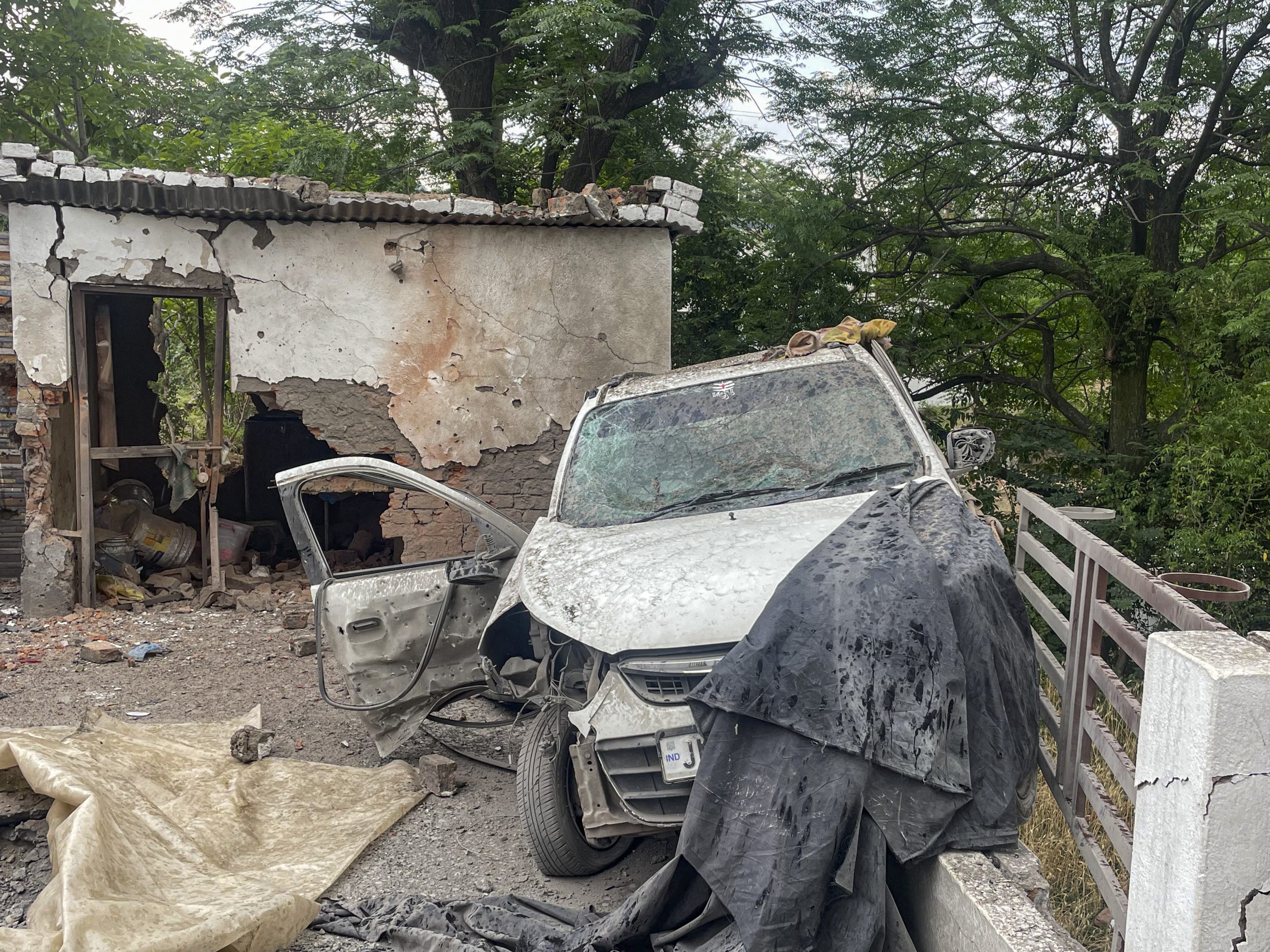
According to sources in the defence establishment on Friday, the doctrine draws on lessons from the Russia-Ukraine and Iran-US conflicts, as well as Operation Sindoor against Pakistan in 2025. These experiences have highlighted the importance of unmanned systems, sustained surveillance, information warfare and the ability to function when communications are disrupted.
The document, as anticipated by RNA Media on Thursday, also emphasizes cooperation between personnel and unmanned platforms, resilient logistics and commanders’ freedom to adapt to terrain and mission requirements. Alongside technological capabilities, it retains an emphasis on human leadership and coordination with civilian institutions and national infrastructure, media quoting defence sources reported.
Singh asked commanders to monitor regional and wider geopolitical developments closely, keeping military strategies flexible enough to accommodate changing circumstances. He identified artificial intelligence, autonomous systems, data analytics, cybersecurity and secure communications as areas requiring faster progress.
Despite the growing importance of operations in the air, at sea, in space and in cyberspace, ground forces would remain indispensable, he said. His emphasis was on combining capabilities across these domains through coordinated operations, with each service contributing to shared military objectives.
Referring to Operation Sindoor, Singh attributed its results to changes in operational thinking, closer coordination and the use of advanced weapons. He said the operation demonstrated India’s willingness to take military measures to protect its national interests.
The minister also backed the military’s restructuring efforts, particularly the incorporation of drones and other technologies into operational formations. He called for regular assessments of performance so that changes in equipment and organization produced measurable improvements in combat capability.
The wider modernization programme includes bringing surveillance and precision-strike capabilities closer to frontline units. The aim is to shorten the interval between identifying a threat and engaging it, while improving commanders’ understanding of battlefield conditions.
On domestic manufacturing, Singh said defence production reached ₹1.78 lakh crore in the financial year 2025–26, while defence exports stood at approximately ₹38,000 crore. He presented both figures as records and linked the expansion of indigenous manufacturing to the government’s defence self-reliance programme.
Revisiting the defence ministry’s “year of reforms” initiative launched in 2025, Singh said reform required sustained implementation within individual commands. He also called for better personnel management and greater participation of women in the armed forces.
Singh separately released the annual United Nations journal and honoured Army personnel for their contributions to UN peacekeeping. Those attending included the chief of defence staff, General NS Raja Subramani, and the chief of the Army staff, General Dhiraj Seth.