

Russia, Ukraine agree ‘localized’ Oleshky ceasefire to bring aid to entrapped civilians facing starvation and disease

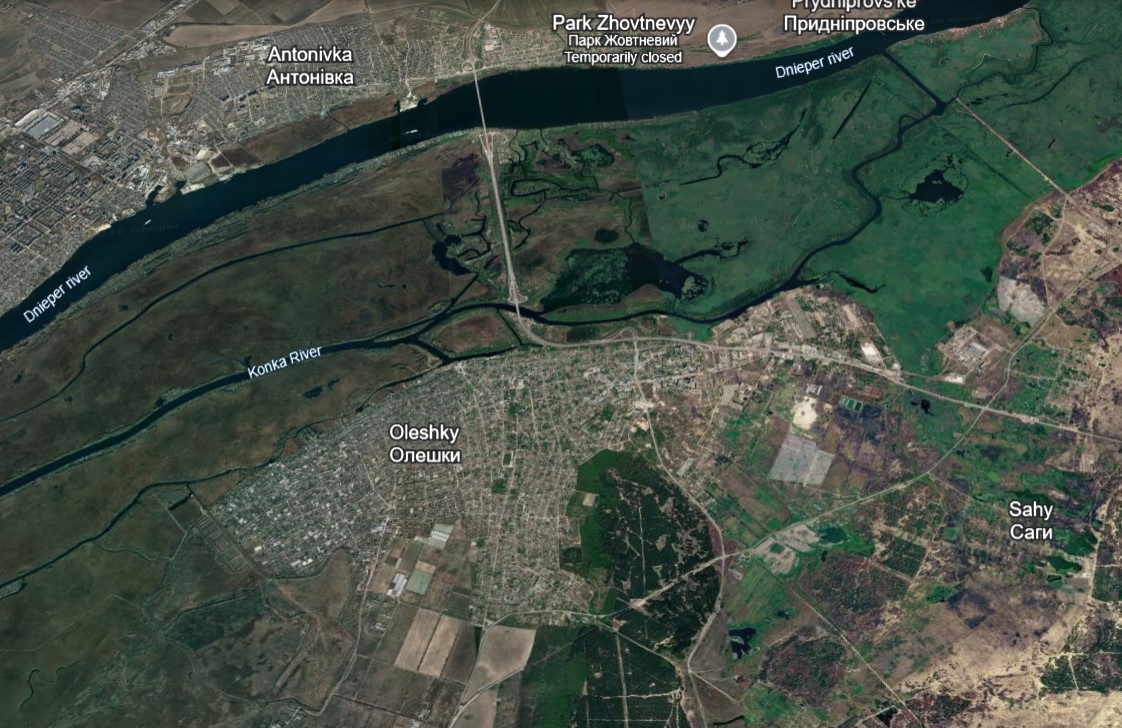
New Delhi: Russia and Ukraine have agreed to a localized ceasefire in Russian-occupied Oleshky to allow humanitarian supplies into the city and prepare the evacuation of civilians facing acute shortages. The White House announced on Friday that the pause would begin on October 29, offering a possible route to safety for residents stranded near the front line.
The Kremlin subsequently confirmed the agreement, although its spokesperson, Dmitry Peskov, said Russian and Ukrainian military officials were still coordinating implementation dates. He said civilians wishing to leave would be permitted to do so, with the evacuation expected to take at least several days.
Ukraine’s chief negotiator, David Arakhamia, also acknowledged the arrangement, saying the humanitarian operation would begin once the ceasefire was in place. He described the agreement as the outcome of an extended effort involving the US first lady, Melania Trump, and Pope Leo XIV, intended to establish a corridor for both evacuations and aid deliveries.
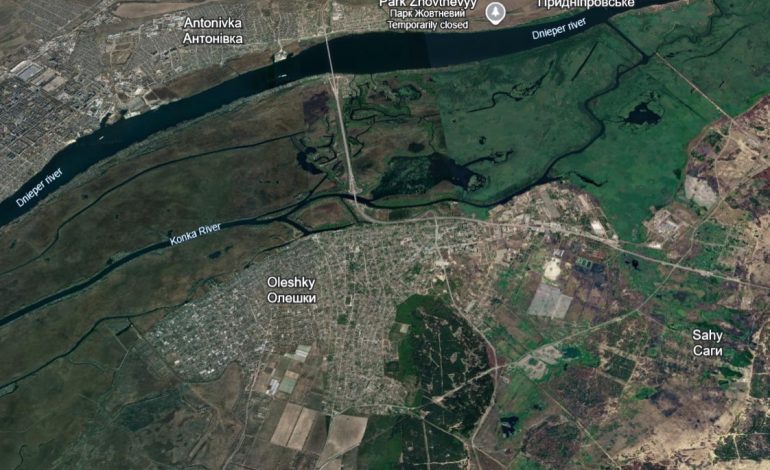
Oleshky, across the Dnipro river from Kherson, had approximately 24,000 inhabitants before the war, but the White House estimates that only 1,700–2,000 remain, including about 50 children. Most are older people unable to leave, although the absence of a formal population count since 2022 makes the figures approximate.
The city has been under Russian occupation since the opening phase of what Russia calls “special military operation” and the west “full-scale invasion”, and residents face shortages of food, drinking water, medicines and electricity. Reporting from the Kyiv Independent describes mined roads, repeated drone attacks and questioning at Russian checkpoints as obstacles that have made escape exceptionally difficult.
Under the announced evacuation plan, civilian teams from both countries would visit households, assess assistance needs and arrange transport for those choosing to leave. Melania Trump said residents would be supported in reaching their preferred destination, whether Russia or Ukrainian-controlled territory.
The proposed corridor addresses a practical problem that has complicated earlier evacuation efforts: reaching Ukrainian-controlled territory without a lengthy journey through Russian-held areas and neighbouring countries. Ukraine’s human rights commissioner, Dmytro Lubinets, said on October 18 that negotiations were seeking a direct evacuation route, avoiding travel through Russia and Belarus.
Although Washington credited Melania Trump with securing the agreement, efforts to obtain a humanitarian pause preceded Friday’s announcement. Earlier in October, Ukraine’s human rights commissioner’s office said Kyiv had offered a localized ceasefire, a safe route and arrangements to receive evacuees, but negotiations had not yet produced an operational breakthrough.
The Vatican had also sought an agreement, with Leo appealing to the Russian president, Vladimir Putin, on October 16 for a pause permitting food and medical deliveries and voluntary evacuations. During a subsequent conversation with the Ukrainian president, Volodymyr Zelenskyy, on October 19, he urged cooperation to make those arrangements possible.
The agreement is confined to Oleshky and provides no wider suspension of hostilities across Ukraine. With military coordination still under way, its immediate significance will depend on whether the promised pause produces a functioning route for relief deliveries and civilian departures.
Separately, as RNA Media had reported earlier, Ukrainian defence officials said disruptions to Starlink and Starshield connections persisted on Friday, despite the US president, Donald Trump, saying that the SpaceX chief, Elon Musk, had restored service. A Ukrainian defence ministry source reported continued signal losses when terminals travelled at approximately 161 kilometres per hour – a restriction linked to physical movement, rather than an internet download-speed limit.
Starshield is SpaceX’s military-focused satellite service, and restrictions on connections at higher speeds have affected drones used for strikes and some interceptors deployed against Russian attacks. Responsibility remained disputed as Musk pointed to US government control of Starshield, while the Pentagon denied ordering a slowdown and Ukrainian officials said they had no confirmation that full service had resumed.