
Putin renews nuclear warning over Kaliningrad as Nato rejects Russian blockade claims
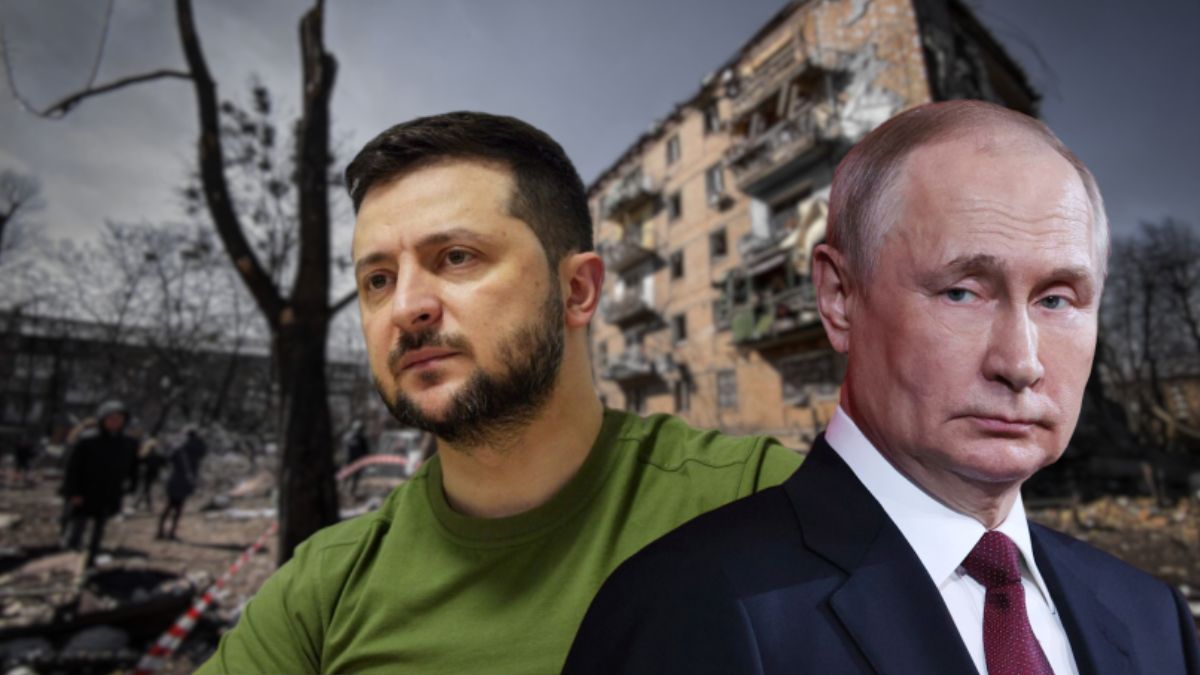
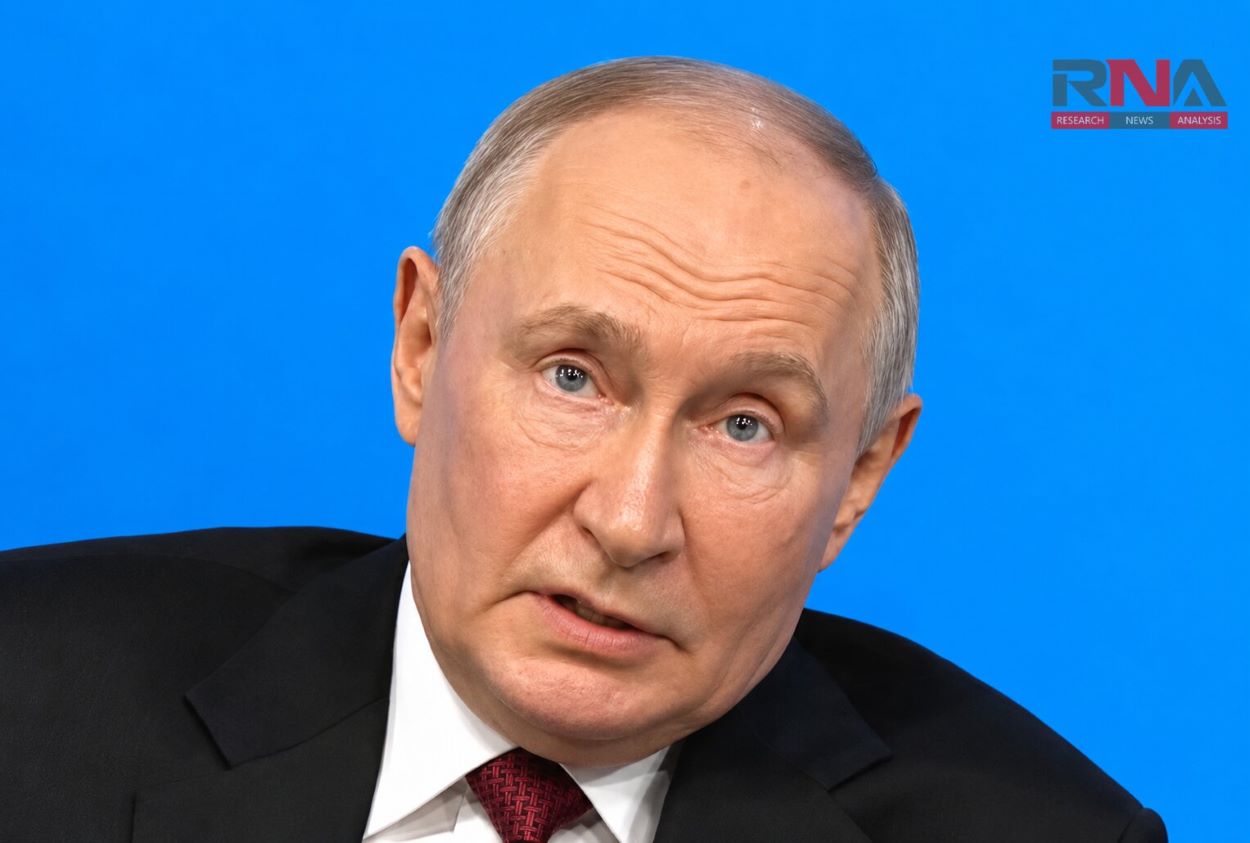
Screenshot of a widely circulated video on X showing Vladimir Putin speaking at the Valdai Discussion Club.

New Delhi: The Russian president, Vladimir Putin, has warned that Moscow would consider using its entire arsenal if its territory came under direct attack, reinforcing an earlier nuclear warning over the Baltic exclave of Kaliningrad. Speaking in Moscow on Thursday, he denied plans to attack European countries while accusing the West of escalating the confrontation with Russia.
His remarks at the Valdai Discussion Club followed a diplomatic message warning Nato against cutting off Kaliningrad from the rest of Russia. The alliance has rejected Moscow’s allegations, saying its activities do not threaten Russian territory and condemning the threat of nuclear force.
Putin said a direct attack on Kaliningrad, or another part of Russia, would immediately raise the question of employing all weapons available to the country. According to Reuters, he also warned that successive rounds of escalation could bring international conflict to a point beyond which governments could no longer control the consequences.
He presented Russia’s advanced weapons as an advantage against a larger potential adversary, while maintaining that Moscow wanted peaceful coexistence with Europe. The remarks combined assurances about Russia’s intentions with a warning about the scale of its possible response.
The immediate dispute concerns Russian allegations that Nato is preparing an air and naval blockade of Kaliningrad, which several Russian embassies in Europe publicized earlier in the week. In a statement issued on September 29, the Russian embassy in Ireland explicitly included nuclear weapons among the means Moscow could use if alliance members attempted to isolate the territory.
Nato’s spokesperson, Allison Hart, confirmed that the alliance had received a written Russian message and replied to it. She said Nato was not targeting Kaliningrad and rejected the suggestion that its exercises endangered any part of Russia.
The Nato secretary general, Mark Rutte, urged Moscow to stop issuing nuclear threats and end its war in Ukraine during an appearance at the Euronews Defence and Space Summit on Wednesday. In the alliance’s official transcript of the discussion, he described Nato’s reply as brief and declined to disclose the Russian letter’s precise contents.
Rutte also said there was no imminent threat to Nato territory and argued that Russia could not prevail in a confrontation with the alliance. He urged members to remain calm, strengthen their defences and maintain military assistance to Ukraine rather than allow Moscow’s warnings to divert their attention.
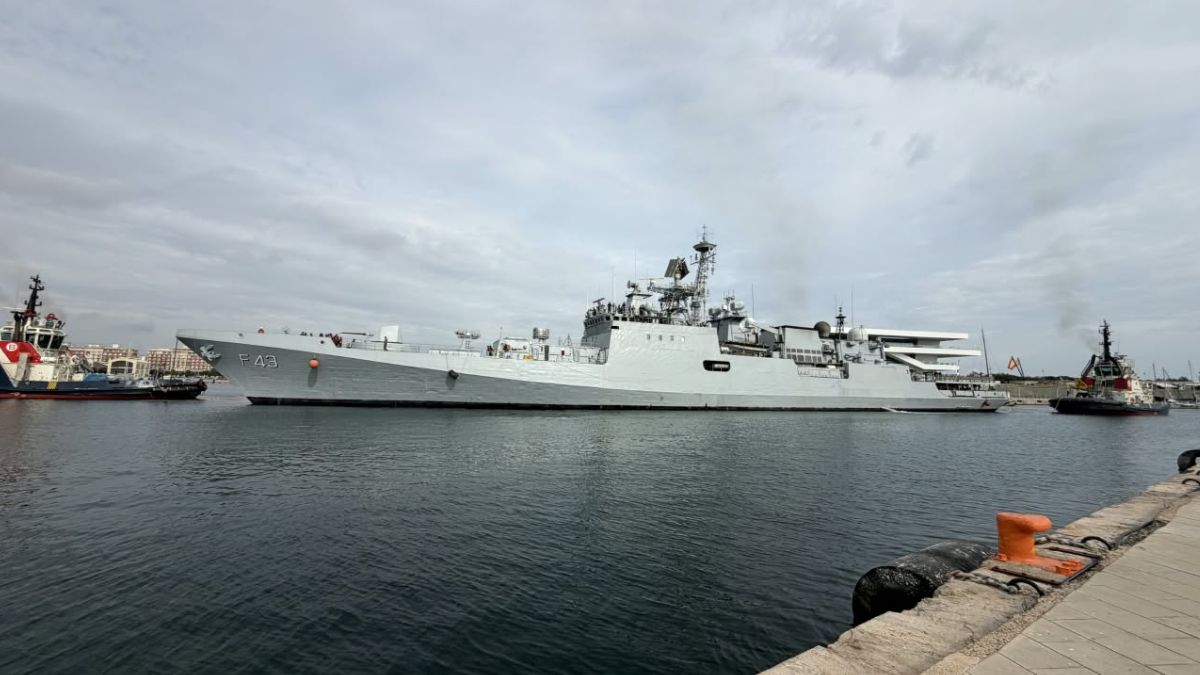
Kaliningrad’s geography helps explain its prominence in the confrontation: the heavily militarized Russian territory lies between Poland and Lithuania, both Nato members, and borders the Baltic Sea. Acquired by the Soviet Union after the Second World War, it provides Russia with a forward position for naval, air and missile operations, while its separation from the mainland creates logistical vulnerabilities.
The territory also hosts nuclear-capable Iskander missiles, making disputes over access particularly sensitive. Finland’s and Sweden’s accession to Nato has further changed the Baltic security environment, increasing the alliance’s regional reach and sharpening Moscow’s concerns about its exposed western territory.
Putin’s warning also sits within the framework of Russia’s revised nuclear doctrine, approved on November 19, 2024. That document broadened the circumstances in which Moscow could consider nuclear use, including conventional aggression creating a critical threat to the sovereignty or territorial integrity of Russia or its ally Belarus.
The doctrine treats aggression by a non-nuclear state acting with a nuclear power’s participation or support as a joint attack, and an attack by one member of a military alliance as an attack by the bloc. These provisions widen Moscow’s stated grounds for considering a nuclear response; they do not establish that every conventional strike automatically triggers one.
The latest exchange therefore centres on competing accounts of the same security environment: Moscow portrays Western preparations as threatening, while Nato describes its posture as defensive. Neither Putin’s remarks nor the diplomatic exchange establishes that a blockade is under way, but they underline how a dispute over Kaliningrad could acquire consequences far beyond the Baltic region.