


Russia warns Nato of nuclear response over Kaliningrad as Baltic tensions rise
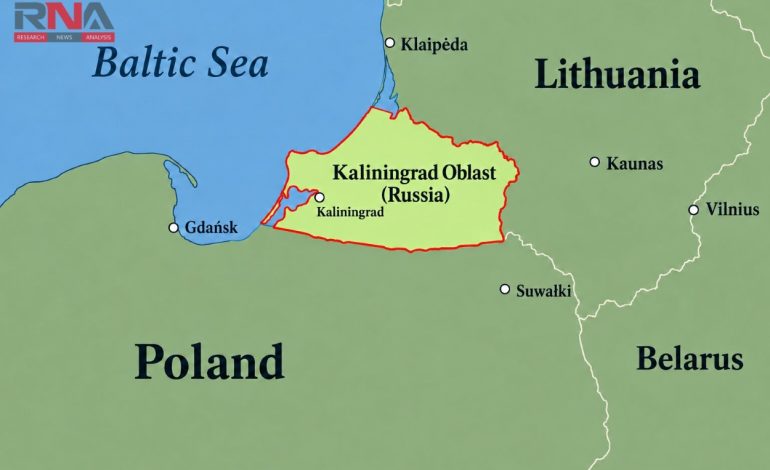
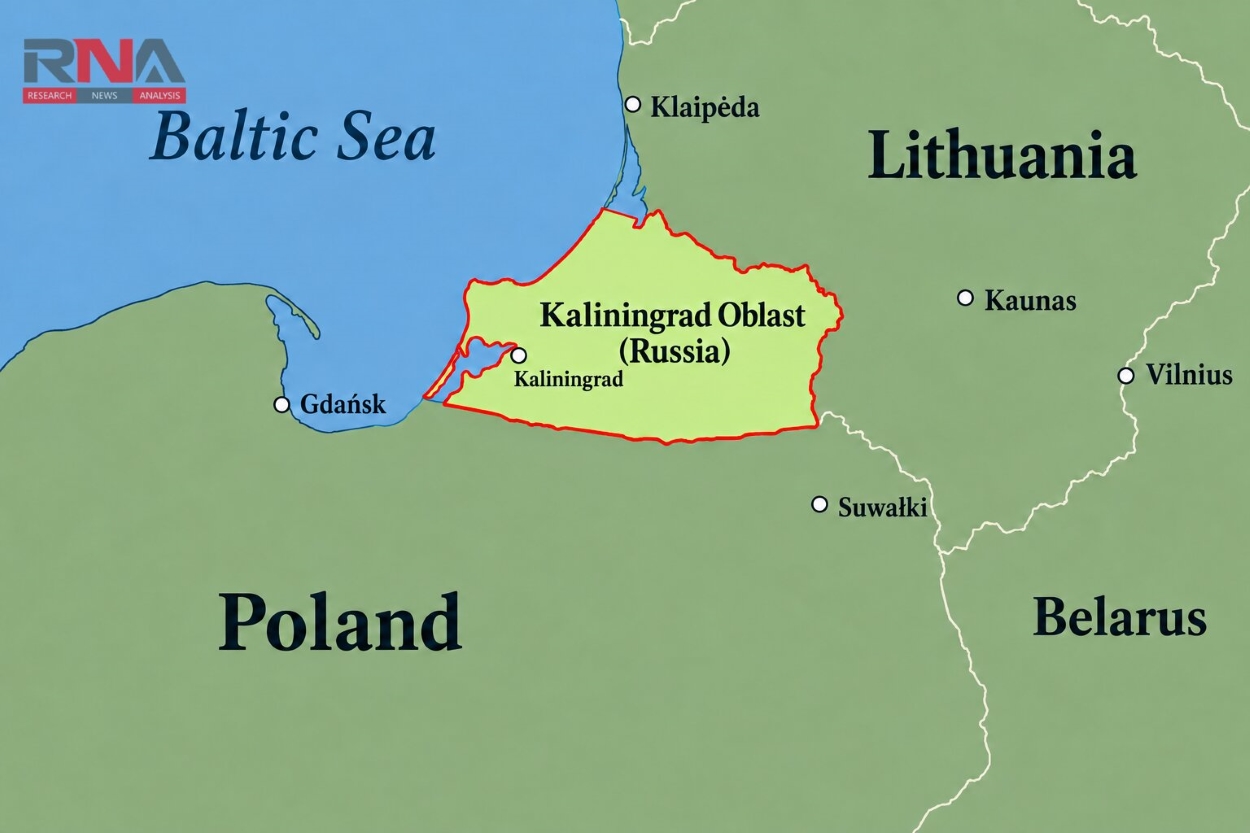
RNA Media map showing Russia’s Kaliningrad Oblast surrounded by Poland, Lithuania and the Baltic Sea. (Map not to scale.)

New Delhi: Russia has warned that it could use nuclear weapons if Nato attempts to cut off Kaliningrad, its heavily militarized Baltic exclave, escalating a dispute over military activity in northern Europe. Nato has rejected Moscow’s allegations that it threatens the territory, while the alliance’s secretary general, Mark Rutte, said on Wednesday, that there was no imminent threat to allied countries.
The warning was contained in a diplomatic document sent to Nato, which has been confirmed by statements from Russian embassies in Europe. Moscow accused the alliance of pursuing military policies that could lead to direct armed confrontation and said any attempt to isolate Kaliningrad could bring its entire military arsenal into play.
The document also raised the possibility of Russian attacks on centres directing operations in Nato member states from the beginning of a conflict. Its language extended the warning beyond the defence of the exclave, signalling that Moscow could respond to an operation against Kaliningrad by striking elsewhere in the alliance.
Nato’s spokesperson, Allison Hart, confirmed that the alliance had received a written message and had replied, according to a media reports. She condemned the threat of force and irresponsible nuclear rhetoric, saying Nato’s exercises and activities posed no danger to Russian territory.
Speaking at the Euronews Defence & Space Summit in Brussels, Rutte urged a calm response and dismissed the suggestion that the warning had fundamentally altered the security situation. In remarks published by Nato, he said the alliance was prepared to defend its members and would detect and respond to a Russian military build-up.
Rutte also argued that Moscow wanted to distract European governments from supporting Ukraine and divide the alliance. He called for continued military assistance to Kyiv, particularly air-defence supplies, presenting sustained support as the appropriate response to Russian pressure.
The public warnings had gathered momentum a day earlier, when the Russian embassy in London responded to British media discussion of a possible blockade or challenges to Russian sovereignty over Kaliningrad. According to Anadolu, the embassy said military action against Russian territory could trigger retaliation using all available means, including nuclear weapons.
The embassy simultaneously maintained that Russia did not intend to attack Nato or seek confrontation with Europe. Similar statements from Russian missions elsewhere framed the warning as deterrence against hypothetical Western action, rather than an announcement of an operation already under way.
Kaliningrad’s geography explains its prominence in the confrontation: it lies between Poland and Lithuania, separated from the main body of Russian territory and facing the Baltic Sea. Formerly Konigsberg in German East Prussia, it became Soviet territory after the Second World War and now has approximately one million residents.
The region gives Russia a forward position for naval, missile and air-defence forces, but its isolation also makes wartime supply and reinforcement difficult. This combination makes Kaliningrad both an instrument of Russian military power and a potential vulnerability, as Reuters’ background report explains.
It houses Russia’s principal Baltic naval base and nuclear-capable Iskander missiles, giving any confrontation around the territory an additional escalation risk. western military officers have said its key installations could be targeted if Russia launched an attack on a Nato member.
Nato has meanwhile expanded maritime vigilance through Baltic Sentry, launched on January 14, 2025, to protect critical underwater infrastructure. The activity involves frigates, maritime patrol aircraft and naval drones, alongside closer coordination of national surveillance capabilities following damage to energy and communications cables.
The wider dispute also involves European allegations of Russian sabotage and destabilization, which Moscow denies. The Kremlin’s spokesperson, Dmitry Peskov, defended the embassy warnings as reminders of Russian policy in response to European statements about Kaliningrad.
The principal danger, according to the nuclear analyst and former Russian diplomat, Nikolai Sokov, is that Moscow and European governments could interpret the same action differently. He told Reuters that measures Europeans might consider below the threshold of war could be treated by Russia as open warfare, creating a risk of mutual miscalculation.