



US fired expired Tomahawk missiles at Iran, exposing deeper crisis in American weapons stockpiles
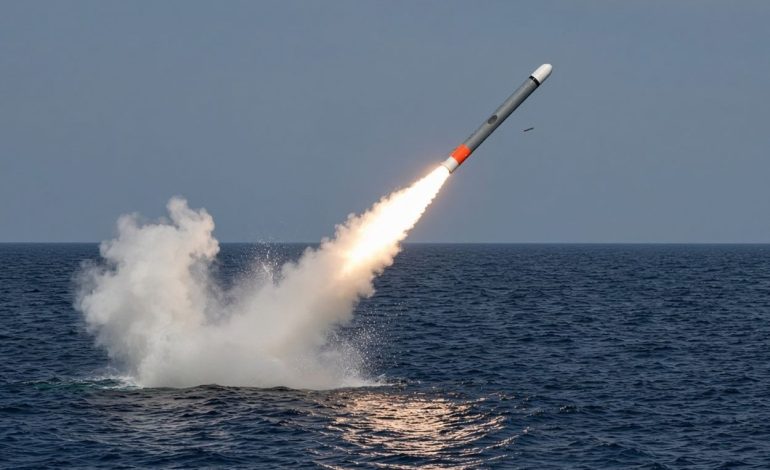
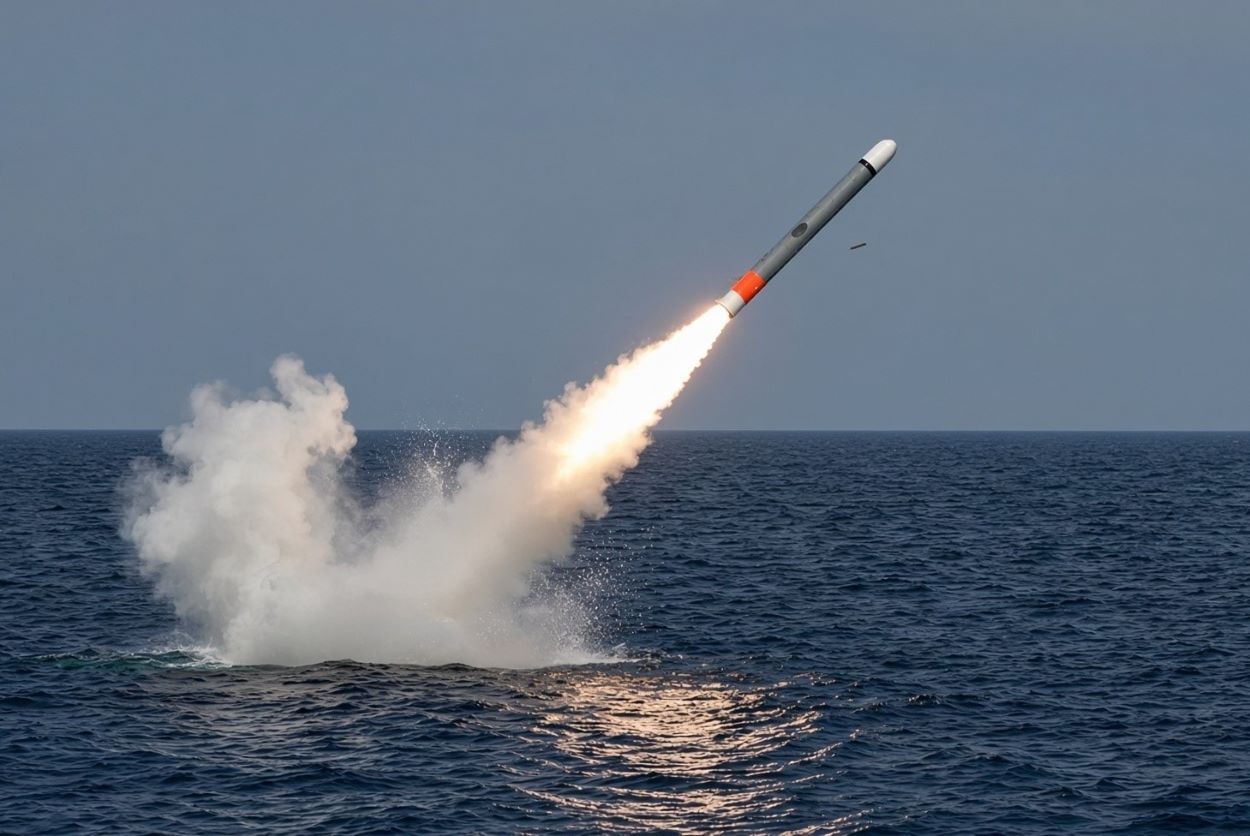
A Tomahawk missile being fired from a submarine. (Photo: Raytheon)

New Delhi: The United States Navy used missiles that had exceeded their prescribed service life during its military campaign against Iran, exposing the growing pressure on American precision-weapons inventories after nearly nine months of conflict in West Asia. The disclosure has raised questions about the sustainability of Washington’s military operations, the reliability of ageing weapons and the possible consequences for American preparedness against other potential adversaries, particularly China.
The admission came from the country’s acting navy secretary, Hung Cao, during a contentious Senate confirmation hearing on November 17, when lawmakers questioned the Pentagon’s heavy expenditure of sophisticated missiles and other costly munitions in Operation Epic Fury. Cao acknowledged that the navy had returned previously expired weapons to operational use by changing their ammunition condition classifications, although he did not disclose how many were fired or the technical procedures used to authorize their deployment.
According to the Senate armed services committee hearing, Cao made the disclosure while responding to questions from the Republican senator, Deb Fischer, about balancing expensive precision-guided weapons against cheaper munitions that can be manufactured in larger quantities. He explained that some weapons had been placed in Code Echo and Code Foxtrot categories, indicating that they were no longer available for normal operational use under their existing classifications.
Cao then offered an unusual comparison between ageing missiles and stale bread, suggesting that passing an expiry date did not necessarily make an item unusable. The analogy attracted attention because military ammunition requires specialized technical evaluation rather than the simple restoration process he described.
The acting secretary said the navy had recoded some expired munitions and subsequently fired them, but provided no detailed explanation of how their serviceability had been established. The Wall Street Journal reported that expired Tomahawk cruise missiles were among the weapons used during the campaign against Iran, making the disclosure particularly significant given their importance in American long-range strike operations.
Why expired missiles are not necessarily unusable
A missile reaching the end of its certified service life does not automatically become defective, but continued deployment requires assurance that its propulsion, guidance, electrical and explosive components remain reliable. Storage conditions, environmental exposure, corrosion and the chemical stability of energetic materials can all influence whether an ageing weapon can safely perform its intended mission.
The Tomahawk programme already incorporates a structured recertification process designed to extend the operational lives of missiles through inspections, maintenance and component replacement. According to US defence acquisition records, Tactical Tomahawks were designed around an initial 15-year service period followed by another 15 years after recertification, giving them a potential operational life of three decades.
However, administrative recoding is not itself evidence that the necessary engineering checks have been completed, and Cao did not publicly identify the technical safeguards employed. A missile with degraded propulsion, guidance equipment or warhead components could fail during launch, deviate from its planned trajectory or leave unexploded ordnance at its intended target.
Iran war places US missile reserves under pressure
The revelations come as US forces continue to face significant demands on their strike weapons, air-defence interceptors and naval assets during the conflict with Iran. At the hearing, the Democratic senator, Jack Reed, warned that replenishing the munitions expended and repairing damage sustained during Operation Epic Fury would take years, highlighting concerns about the long-term consequences for American military readiness.
Cao acknowledged the strain but sought to reassure lawmakers that missile production was expanding, citing a substantial increase in Tomahawk manufacturing capacity. He claimed output had risen from approximately 125 missiles annually during his military career to more than 60 a month, alongside efforts to expand SM-6 production and introduce additional suppliers into the defence manufacturing network.
Those figures underline Washington’s efforts to strengthen its industrial base, although higher production capacity does not immediately replenish depleted operational reserves. In August, the navy awarded Raytheon a seven-year contract worth approximately $22.9 billion covering Tomahawk production, recertification and delivery, reflecting the scale of its longer-term procurement requirements.
The financial consequences are also considerable, with the naval campaign placing sustained demands on American resources. According to Associated Press reporting, Cao confirmed a figure of approximately $32.5 million daily for the naval blockade of Iran, while lawmakers raised questions about damage to American facilities in Bahrain.
The latest developments suggest that the military pressure is far from over, despite intermittent diplomatic efforts to reduce hostilities. On Wednesday, Associated Press reported fresh Iranian attacks on American military facilities in Kuwait and Bahrain, following a US strike against an Iranian missile-launch site on Qeshm Island near the Strait of Hormuz.
The renewed exchanges follow earlier American strikes that RNA Media reported on November 3, when Washington resumed limited military action against Iranian targets after a two-month pause. Together, these developments illustrate how the continuing confrontation is prolonging demands on American naval deployments and weapons inventories.
China watches as Washington’s resources remain stretched
The implications extend beyond West Asia because the United States must preserve sufficient naval and missile capabilities for possible contingencies in the Indo-Pacific, where China remains its principal strategic competitor. At the hearing, lawmakers questioned whether the diversion of American warships, weapons and personnel towards Iran was weakening Washington’s ability to respond to potential crises involving Taiwan or other flashpoints in the region.
Cao rejected suggestions that American deterrence had been seriously undermined, arguing that the coordination demonstrated by US forces during the Iran campaign had impressed upon China the scale of American military capabilities. However, the senators remained concerned about extended deployments, depleted ammunition reserves and the movement of naval resources away from the Pacific.
China has not issued a verified public response specifically addressing Cao’s disclosure about expired missiles. However, the Chinese foreign ministry, through its spokeswoman, Mao Ning, reiterated on Monday Beijing’s preference for de-escalation and diplomatic engagement in the Gulf, following visits to Iran, Oman and Saudi Arabia by its special envoy for Middle Eastern affairs.
For Washington, the central problem is therefore not simply whether a missile remains functional beyond its certified service life, but whether American industry can replenish sophisticated weapons quickly enough to support prolonged combat operations. The use of expired munitions offers a revealing glimpse of that challenge, particularly as the Pentagon must balance continuing operations against Iran with its wider military commitments across the world.


