
US sanction fears shadow Myanmar genocide ruling. Why the judgment matters for Israel’s actions in Gaza?
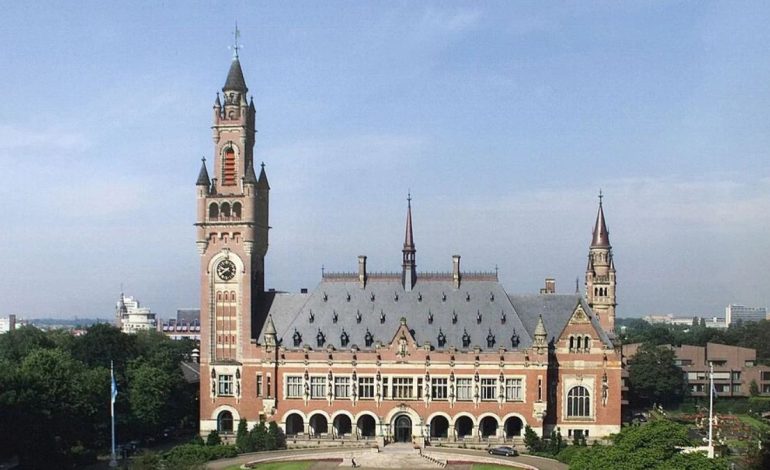
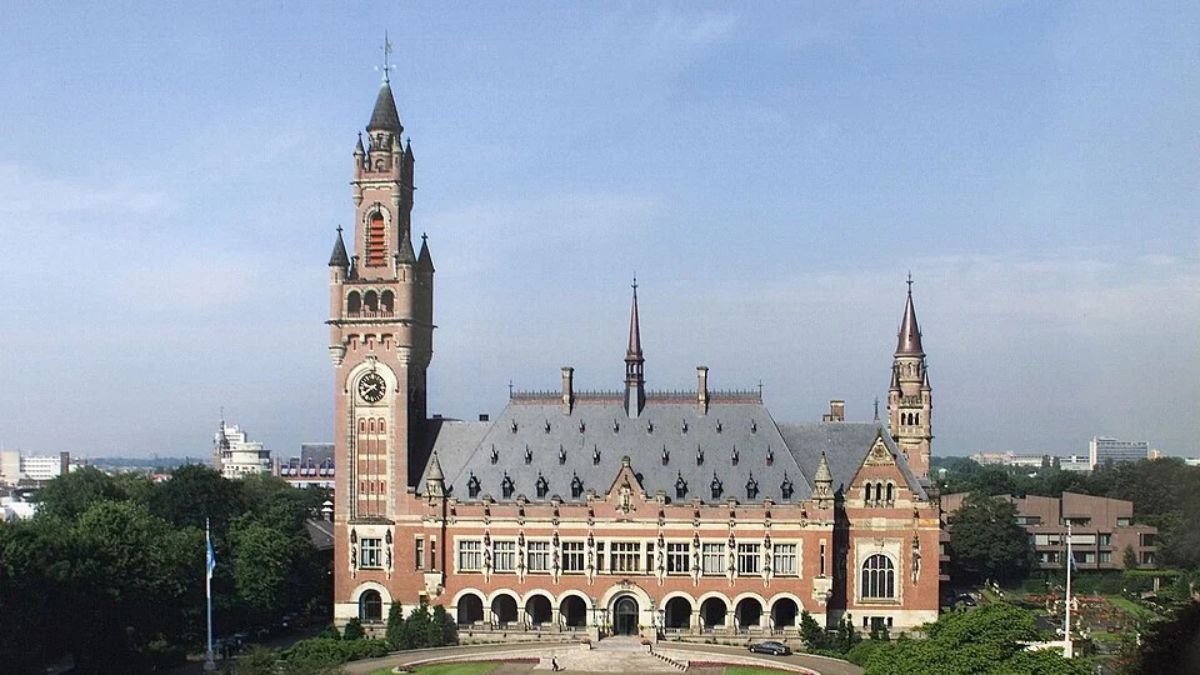
US sanctions fears shadow ICJ genocide ruling. (Image courtesy: Wikimedia Commons)

New Delhi: The international court of justice (ICJ) judges face growing fears of US sanctions ahead of Thursday’s ruling on whether Myanmar committed genocide against the Rohingya minority. The November 19 judgment, scheduled for 10am (2.30pm IST) in The Hague, is drawing scrutiny because its interpretation of genocidal intent could influence South Africa’s separate case against Israel over Gaza.
Some judges have sought advice on protecting their assets against possible American sanctions, the Guardian reported on Wednesday. Washington has not announced sanctions against the ICJ judges hearing the Myanmar case.
US warnings and judicial independence
The US ambassador to the UN, Mike Waltz, accused Navi Pillay, the Gambia’s appointed ad hoc judge, of “tipping the scales” in Myanmar’s case. He alleged she wanted a weaker standard for proving genocide that could later be used against US and allied troops. Pillay, the 2026 Nobel peace prize winner, sits as an independent judge.
Washington “will not allow globalist, faux judges to weaponize the law against our troops”, Waltz warned. “We see your agenda and we’ll be watching the ICJ’s handling of these proceedings very closely,” he told Pillay. These accusations are not established findings.
The US secretary of state, Marco Rubio, said: “For this global elite, international law … is an instrument to advance their interests under the pretense of universal principles.” He warned the international criminal court (ICC) against quoting laws to “men with swords”. The US has sanctioned the ICC, a separate institution.
What Myanmar faces
The Gambia brought the case in November 2019 over Myanmar’s treatment of the Rohingya under the 1948 genocide convention. More than 750,000 Rohingya fled to Bangladesh after the 2017 military crackdown in Rakhine State, amid allegations of killings, sexual violence and village destruction.
Myanmar denies committing genocide and maintains that its campaign targeted insurgents. The ICJ ordered provisional measures to protect the Rohingya in January 2020 and dismissed Myanmar’s preliminary objections in July 2022.
Why the judgment matters for Gaza
Genocide requires specific intent to destroy, wholly or partly, a national, ethnic, racial or religious group. Establishing that intent is difficult when governments describe military operations as pursuing security objectives.
Judges examine patterns of violence, official statements, displacement and civilian harm. Their reasoning could influence South Africa’s December 2023 case accusing Israel of genocide, which Israel denies.
A judgment in Myanmar could clarify whether a combination of actions, rather than killings alone, can support an inference of destructive intent, a question of wider legal significance.
The ICJ has never held a state responsible for committing genocide. A joint submission by the UK and five other countries urged judges to evaluate evidence “comprehensively and holistically”, including displacement, gender-based violence and harm to children.
The two cases have different parties, evidence and circumstances. A ruling against Myanmar would not automatically establish that Israel committed genocide, nor would it change the treaty’s legal definition.
What happens after the ruling?
The ICJ settles disputes between states and can order remedies for breaches of international obligations. The ICC prosecutes individuals for international crimes; its proceedings involving Israeli officials are separate from the Gaza case at the ICJ.
Any finding against Myanmar could address state responsibility, reparations and guarantees of non-repetition, depending on the actual orders. ICJ judgments bind the parties, although compliance can be difficult to enforce.