Pakistan warns Iran over Houthi attacks on Saudi Arabia, report says: Could Saudi ties push Islamabad into conflict?
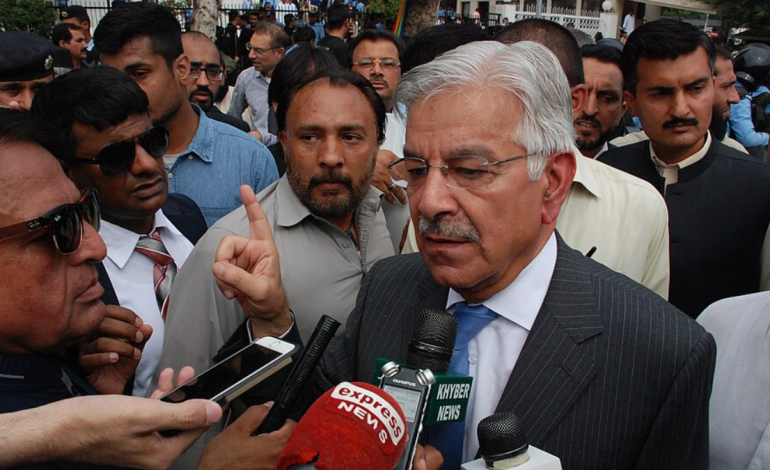
Pakistan defence minister, Khawaja Asif. (Image courtesy: Wikimedia)

New Delhi: Pakistan is facing a difficult choice as Houthi attacks on Saudi Arabia intensify, putting pressure on Islamabad to protect its close defence ties with Riyadh while avoiding a direct confrontation with Iran. The situation also comes at a sensitive time for Pakistan, which has been trying to keep communication channels open with Iran and support diplomatic efforts to reduce the wider US-Iran conflict.
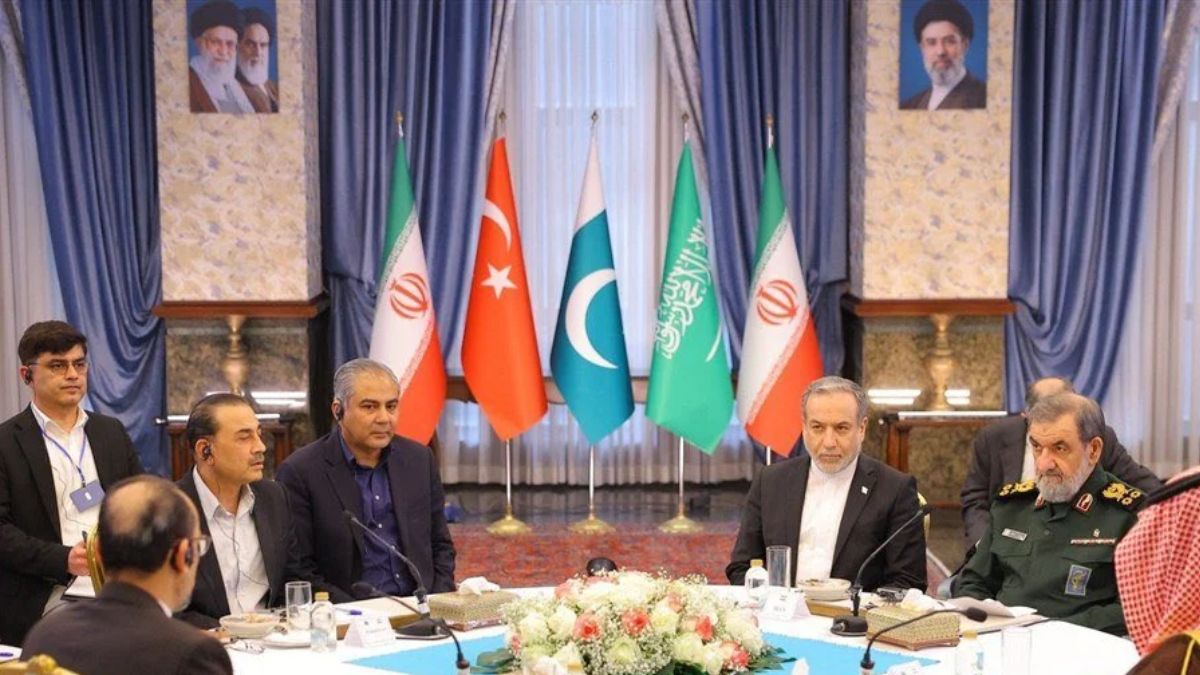
The immediate concern for Islamabad is the security of Saudi Arabia. Pakistan has a longstanding defence relationship with Riyadh, and its newly signed defence arrangement with Saudi Arabia and Turkiye has added a new layer to that partnership. The three countries have stressed that the agreement is defensive in nature. This gives Pakistan some room to support Saudi Arabia without necessarily becoming part of military operations outside Saudi territory.
But continued Houthi attacks could test that position. If strikes on Saudi military bases, cities or energy infrastructure increase, Riyadh could seek greater military support from its partners, putting more pressure on Islamabad to act.
A Reuters report said, Pakistan conveyed a Saudi message to Iran, asking Tehran to use its influence to stop Houthi attacks on Saudi Arabia. The report cited a senior Iranian official as saying that Tehran responded by saying: “Iran does not control the Houthis.”
Reports also said, citing two Iranian sources, that Iran had encouraged the Houthis to attack Saudi Arabia and promised additional funding and weapons. The claims have not been publicly confirmed by Pakistani or Iranian authorities.
The latest escalation came after Houthi attacks on Tuesday hit an airbase in Khamis Mushait and oil infrastructure in nearby Saudi cities, reportedly injuring 73 people. Houthi military spokesman, Yahya Saree, later said Saudi airstrikes on Yemen would not go unanswered.
The Pakistan’s defence minister, Khawaja Asif, has warned that continued attacks on Saudi Arabia could activate the joint security arrangement with Riyadh and Ankara. He said aggression against one of the three countries would be treated as aggression against all three.
Could Pakistan be pulled into Yemen conflict?
The main question for Islamabad is what happens if protecting Saudi territory starts requiring more than diplomatic pressure. Pakistan could provide defensive assistance inside Saudi Arabia while avoiding direct operations against the Houthis in Yemen. Such a limited role would allow Islamabad to support Riyadh while keeping its military involvement within the terms of its defence agreement.
A direct role in attacking the Houthis, however, would be far more complicated. It could turn Pakistan from a supporter of Saudi defence into a participant in a conflict involving an Iran-aligned group.
Why Iran matters to Pakistan
Pakistan and Iran share a border and have important interests in border security, trade and regional stability. Islamabad has therefore traditionally tried to avoid a complete breakdown in relations with Tehran, even while maintaining close ties with Saudi Arabia.
The timing is particularly important because Pakistan has also been trying to support diplomatic efforts aimed at reducing tensions between Iran and the United States. Islamabad has maintained contact with Tehran and has presented dialogue and negotiations as the preferred way to end the wider confrontation.
If Pakistani forces were to directly strike the Houthis, Iran could see the move as Islamabad taking a clear position against Tehran and its regional partners. That could make Pakistan’s diplomatic role much harder and reduce its ability to speak to both sides.
The situation is also sensitive for Pakistan because of its Shia community and close ties with Iran. Earlier, Islamabad-based security analyst Amir Rana told Al Jazeera that Iran has significant influence over Shia organizations in Pakistan. This could make a prolonged Saudi-Iran confrontation more sensitive for Pakistan internally, particularly if Islamabad were seen as taking an active military role against an Iran-aligned force.
Pakistan is consequently trying to maintain two relationships that are becoming harder to balance. Saudi Arabia remains an important defence and strategic partner, while Iran is a neighbouring country with which Islamabad needs stable relations.
For now, the safer option for Pakistan is to focus on protecting Saudi territory rather than joining offensive operations in Yemen. This would allow Islamabad to meet its defence commitments without closing the door on Tehran.
But the longer the Houthi attacks continue, the harder that distinction could become. If Saudi Arabia faces a sustained activity against its territory, Pakistan may have to decide how much military support it is prepared to provide and where it draws the line.