

Iran mocks Centcom chief’s Hormuz flight, cites $117 oil to challenge US claims
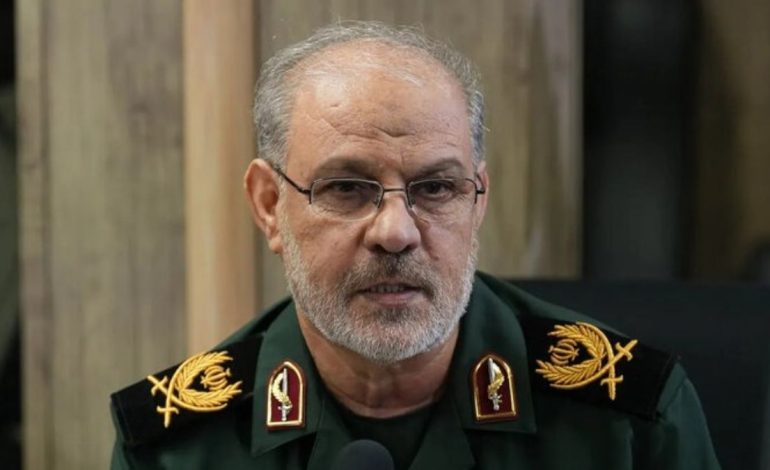
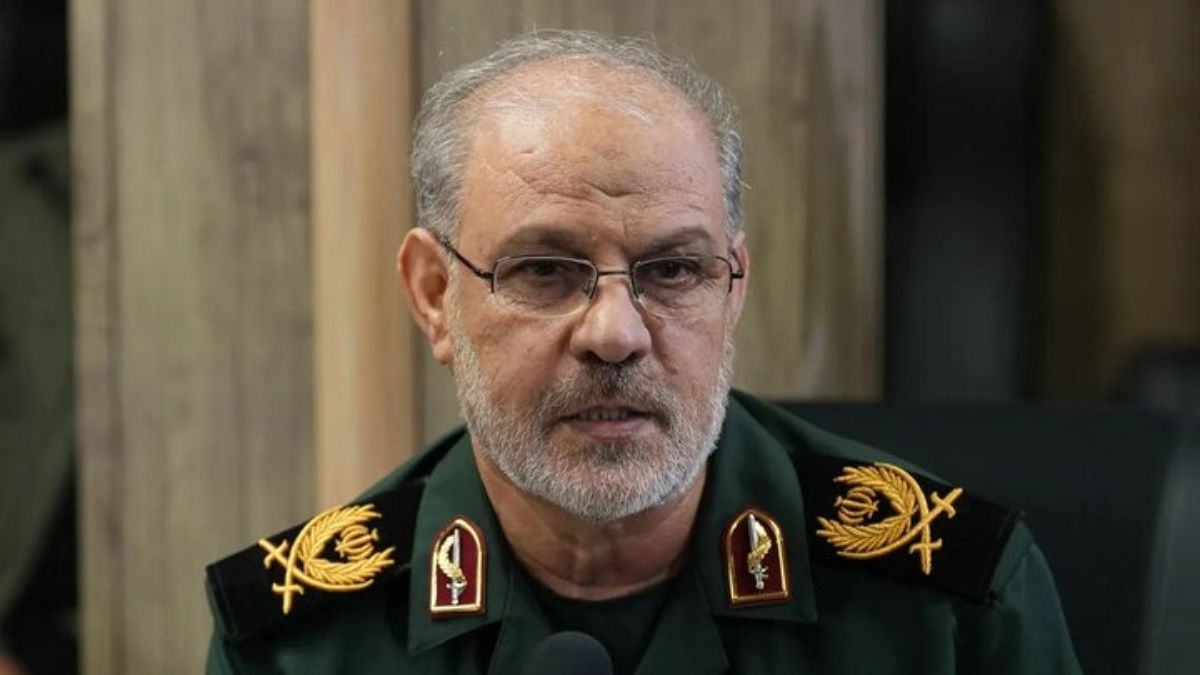
IRGC spokesman Brigadier General Hossein Mohebbi. (Photo: X/@MarioNawfal)

New Delhi: Iran’s Islamic Revolutionary Guard Corps (IRGC) has mocked a helicopter flight over the Strait of Hormuz by the commander of US Central Command, Admiral Brad Cooper, challenging Washington’s assertions that it is keeping the shipping corridor secure. The exchange highlighted competing claims over the waterway, with Tehran pointing to elevated oil prices and Washington citing thousands of commercial vessel transits supported by American forces.
The IRGC spokesman, Brigadier General Hossein Mohebbi, shared an image on X depicting Cooper aboard an aircraft, with a burning supertanker below and a caption putting Brent crude at $117 a barrel. “This is the reality …” he wrote, using the image to question the American account of conditions in the strait. Later, the IRGC-linked news agency Tasnim confirmed the post to be from Mohebbi’s genuine account.
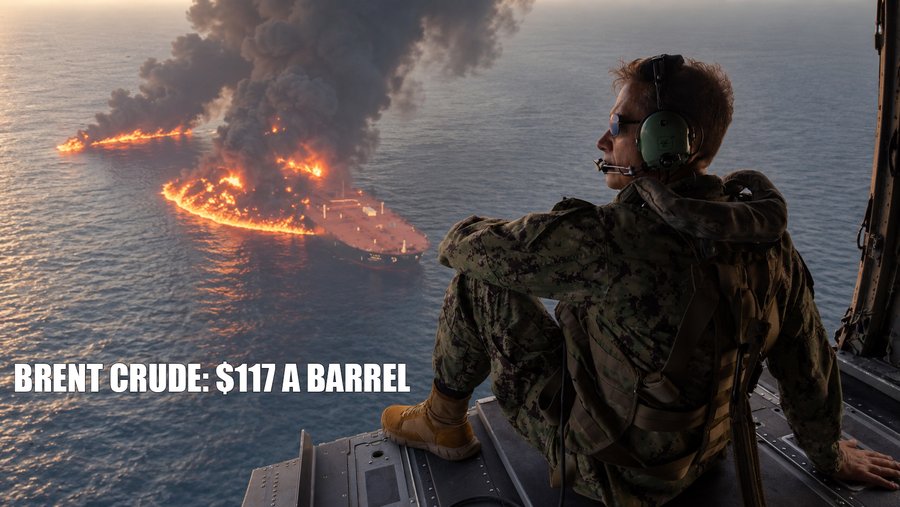
The image accompanied a political message rather than independently verified evidence that Cooper had flown over a burning vessel. Its argument was that the continuing economic cost of the confrontation undermined US assurances about security along the route.
Cooper visited the strait on Sunday, observing shipping and military operations from a US Army CH-47 Chinook helicopter. According to reporting on Centcom’s statement, the flight formed part of a review of the American deployment in the waterway.
Centcom said its forces had supported more than 3,000 commercial vessel transits over the preceding six months and helped Gulf partners export more than 1.5 billion barrels of crude oil since the summer. It also reported that more than 95 per cent of ships navigating the strait in recent months had passed through safely, presenting those figures as evidence of US and regional partners’ control.
Cooper said the principal shipping routes remained “free and clear of Iranian sea mines”, crediting American personnel involved in mine clearance. He also met service members associated with that mission and reiterated Washington’s commitment to maintaining commercial navigation, Arab News reported.
Tehran has continued to assert that vessels must comply with its restrictions, including requirements concerning permitted routes. Tasnim also cited an earlier IRGC navy claim that two supertankers had struck mines while attempting to use an unauthorized southern passage, but the report did not provide independent confirmation of that account.
The two sides’ statements address different measures of access: successful voyages demonstrate that traffic is moving, while continuing threats raise separate questions about the safety and reliability of passage. Centcom’s transit and safety figures, as reported, do not establish that shipping volumes have returned to pre-war levels.
Mohebbi’s oil-price reference also needs context: Brent remained elevated, but it eased towards $115 a barrel as trading resumed, according to an Axios market report. The $117 figure in his image therefore should not be read as a continuously current market quotation or, by itself, proof of either side’s military control.
The stakes extend well beyond the US–Iran confrontation because Hormuz connects Gulf energy exporters with international markets. The International Energy Agency estimates that about 20 million barrels of crude oil and petroleum products passed through the strait each day in 2025, with China, India and Japan among the principal destinations.
The confrontation is also shaping regional diplomacy, with senior Saudi, Pakistani and Turkish officials holding discussions in Tehran on Monday, as RNA Media reported. The agenda included US-Iran negotiations, the Strait of Hormuz and the American blockade of Iranian ports, placing the dispute over maritime access within broader efforts to prevent renewed escalation.