

130 To 10 Just Ships A Day: US-Iran Tensions Cause 90% Drop In Strait Of Hormuz Traffic; US Warns Against Paying Toll
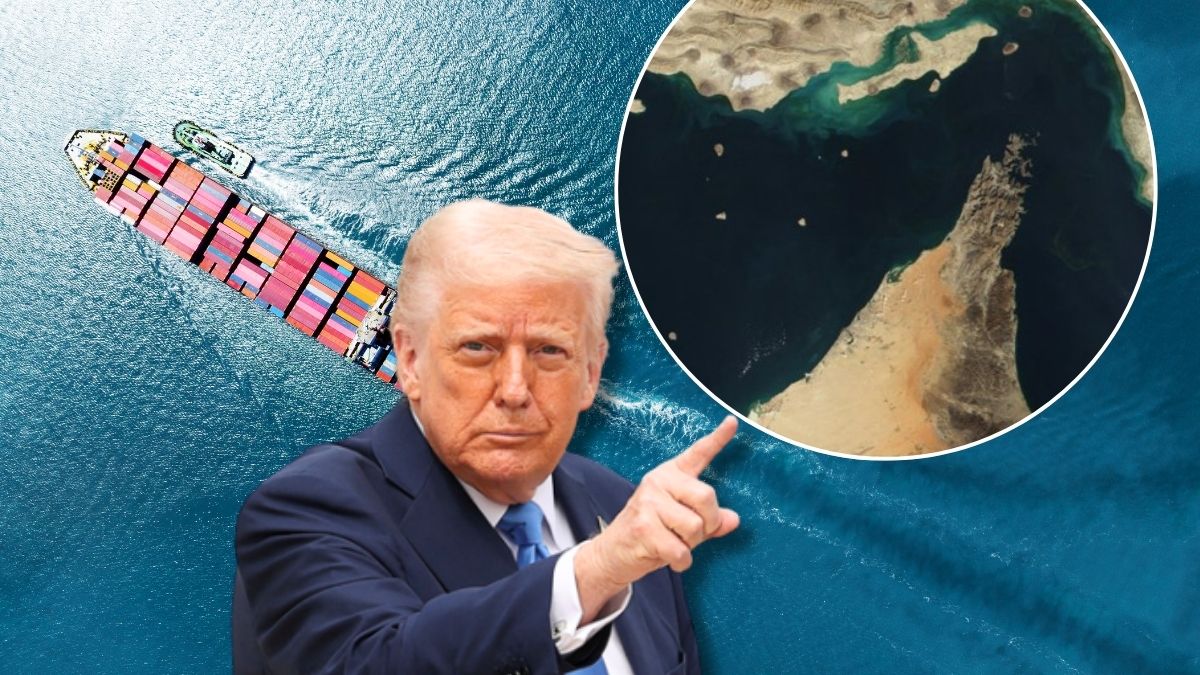
Tehran has proposed fees or tolls on vessels passing through Strait of Hormuz, as part of proposals to end the war with Israel and the US. Image courtesy: RNA

Shipping through the strategic Strait of Hormuz has seen a dramatic collapse amid escalating tensions in West Asia, with maritime traffic falling by more than 90 per cent since the onset of the conflict. Notably, the narrow strait serves as a crucial chokepoint, with 20% of the global oil transiting through it.
Before the escalation on February 28, around 130 ships transited the strait every day. That number has now dropped to fewer than 10 vessels a day, effectively reducing one of the world’s most critical maritime chokepoints to a near standstill. Not just this, but the crew also runs the risk of being hit in the strikes.
The disruption follows US and Israeli strikes on Iran and Tehran’s retaliatory actions across the region, significantly altering the security environment for commercial shipping.
Strait of Hormuz traffic hit: What incidents have been reported in the region?
Royal Navy-led monitoring body UK Maritime Trade Operations (UKMTO) reported over 40 incidents in the last two months, between March 1 and April 27, including attacks, vessel damage, harassment and near-misses involving merchant ships. “Ships or their crew were either directly damaged or suffered collateral impact, such as shrapnel from intercepted drones, while several vessels were also harassed or forced to turn back,” the monitoring team said.
At least 26 incidents involved direct attacks on merchant vessels, underscoring the scale of the threat to commercial navigation.
Why is the Strait of Hormuz so crucial to global trade?
The Strait of Hormuz is one of the world’s most strategically vital maritime routes, with about 20% of global seaborne crude oil and liquefied natural gas flows passing through it. Any disruption in this narrow waterway has immediate implications for global energy markets, shipping costs and supply chains, making the current situation a major concern.
The escalating security risks amid the ongoing West Asia conflict have trapped between 850 and 870 large merchant vessels inside the Gulf, unable to safely exit.
Commander Jo Black, Head of Operations at UKMTO, on Friday (May 1, 2026) said, “Our first concern is the safety and security of seafarers. There are around 20,000 sailors on ships going nowhere. Crew changes are not happening, and supplies are becoming strained.” He also warned of growing concerns over the mental well-being of seafarers if the situation continues.
Is Iran charging tolls for passage through the strait?
Tehran has proposed imposing fees or tolls on vessels passing through the Strait of Hormuz as part of broader proposals linked to ending the conflict.
However, the United States has issued a strong warning against such payments. The US Treasury’s Office of Foreign Assets Control (OFAC) said that any shipper paying tolls to Iran, including indirect payments or charitable contributions, could face punitive sanctions.
“OFAC is issuing this alert to warn US and non-US persons about the sanctions risks of making these payments… These risks exist regardless of payment method,” the advisory stated.
How is the US responding to Iran’s maritime strategy?
Alongside warnings, the US has intensified its sanctions regime targeting Iran’s financial networks and oil trade. OFAC imposed fresh sanctions on three Iranian foreign currency exchange houses and a Panama-flagged tanker, stating they were involved in facilitating transactions linked to Iran.
Treasury Secretary Scott Bessent said, “We will relentlessly target the regime’s ability to generate, move, and repatriate funds, and pursue anyone enabling Tehran’s attempts to evade sanctions.”
Maritime security officials have warned that prolonged disruption could have wider consequences beyond the Gulf. UKMTO noted that instability could increase risks across global shipping lanes, including a potential resurgence of piracy off the coast of Somalia, as naval resources and monitoring efforts are stretched.
US-Iran war: Any signs of diplomatic movement in sight?
Amid the escalating standoff, Iran has sent a new proposal for negotiations with the United States via Pakistani mediators, raising the possibility of renewed diplomatic engagement.
However, with military tensions ongoing and economic measures tightening, the situation in the Strait remains highly volatile.