




Trump loses Congress as Democrats storm Republican strongholds in US midterms
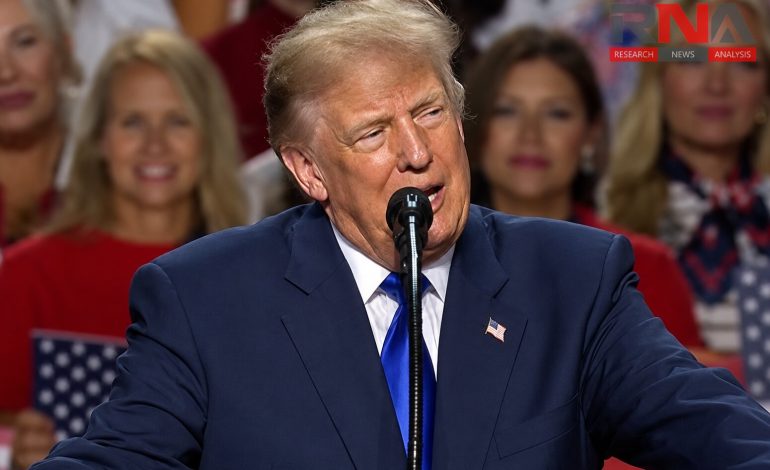

New Delhi: Democrats have won control of both houses of the US Congress in the November 3 midterm elections, delivering a major setback to the president, Donald Trump, and ending Republican control of the legislature. The result gives the opposition greater power to challenge his administration during his remaining two years in office, following a campaign dominated by living costs, the Iran war and concerns about government corruption.
The Associated Press projected Democratic majorities as Republican losses spread beyond closely contested constituencies into states long considered secure territory for the party. Several individual contests remained unresolved, leaving the eventual size of the opposition’s advantage uncertain even after control of Congress had been determined.
All 435 seats in the House of Representatives, 35 Senate seats and 36 governorships were contested, alongside numerous state and local offices. The congressional results are projections based on the count, rather than completed certification of every election, and close contests can take days or longer to resolve.
Republican strongholds fall
Democratic Senate gains included North Carolina, South Carolina, Texas, Ohio, Kansas, Iowa and Maine, overturning Republican advantages across markedly different electoral landscapes. Republicans had entered the election with a 53–47 Senate majority, making the breadth of their losses particularly consequential.
In Texas, James Talarico defeated the Republican nominee, Ken Paxton, in a breakthrough for Democrats. In Kansas, Adam Hamilton unseated Roger Marshall, ending a Democratic drought in Senate elections stretching back to 1932.
The state-by-state results also showed Roy Cooper defeating Michael Whatley in North Carolina and Annie Andrews defeating Darline Graham in South Carolina. Sherrod Brown defeated Jon Husted in Ohio, while Josh Turek overcame Ashley Hinson in Iowa.
In Maine, Troy Jackson defeated Susan Collins, ending her attempt to secure a sixth Senate term. Democrats also defended important seats, with Jon Ossoff defeating Mike Collins in Georgia and Chris Pappas defeating John Sununu in New Hampshire.
Michigan remained a significant outstanding contest: Abdul El-Sayed declared victory over Mike Rogers, but AP had not called the race in the latest coverage reviewed. A confirmed victory would make El-Sayed the first Muslim elected to the US Senate; in Alaska, Mary Peltola was leading Dan Sullivan, with that contest also still developing.
House gains reshape Washington
Democrats’ House advances included Bob Harvie’s victory over Brian Fitzpatrick in Pennsylvania and Bobby Pulido’s defeat of Monica De La Cruz in Texas. In Iowa, Christina Bohannan, Lindsay James and Sarah Trone Garriott captured Republican-held seats, while Elaine Luria defeated Jen Kiggans in Virginia.
Further gains included Fred Wellman’s victory over Ann Wagner in Missouri and Rebecca Bennett’s defeat of Thomas Kean Jr in New Jersey. Democrats also captured seats in Colorado, Nebraska, Kentucky and North Carolina, demonstrating that their advances were geographically broad.
Among the latest developments, the Guardian reported that Katy Padilla Stout captured Texas’s 23rd district. She defeated the Republican candidate, Brandon Herrera.
The House outcome puts the Democratic leader, Hakeem Jeffries, in position to become the chamber’s first Black speaker. His election to that office is not automatic: it requires a vote when the new Congress convenes on January 3, 2027.
Governors’ races deliver further setbacks
The Republican reversals extended to state governments, including Texas, where Gina Hinojosa defeated the incumbent governor, Greg Abbott. Her victory makes her the state’s first Latina governor and compounds the significance of Democrats’ simultaneous Senate breakthrough.
In Ohio, Amy Acton defeated Vivek Ramaswamy, the Indian-American businessman and former presidential contender backed by Trump. Acton, a physician who led the state’s health department during the Covid-19 emergency, became the first Democrat elected Ohio governor since 2006.
Keisha Lance Bottoms won Georgia’s governorship, becoming the first Black woman elected governor of a US state, while Rob Sand won in Iowa. Democrats also took control of the North Carolina House and Wisconsin Senate, extending their gains beyond federal offices.
Republicans nevertheless retained important offices, with Tommy Tuberville defeating Doug Jones in Alabama’s governor’s race and Ashley Moody retaining her Florida Senate seat. Minnesota elected Peggy Flanagan to the Senate, where she will become the first Native American woman to serve.
Prices and dissatisfaction shape the verdict
The AP’s assessment of voter sentiment pointed to widespread dissatisfaction rather than a narrow dispute over individual candidates. Its voter poll found roughly three-quarters unhappy or angry about the country’s direction, while about six in 10 attributed unusually high prices more to Trump’s policies.
About seven in 10 wanted Congress to impose stronger checks on the presidency. The findings help explain why a campaign centred on household finances and accountability produced losses even in states that had strongly supported Trump two years earlier.
Trump said he would accept the outcome and indicated a willingness to cooperate with Democrats, according to Time’s account of his election-night remarks. That response acknowledged the coming change in congressional control without conceding the opposition’s interpretation of the vote.
Speaking to Fox News, he congratulated Democrats but blamed Republican candidates for their defeats and rejected the suggestion that voters had repudiated him. “I don’t view it as a hit on me,” he said.
What changes for Trump’s presidency
Control of Congress gives Democrats legislative and investigative tools to challenge the administration, although it does not transfer executive power or automatically reverse existing policies. Senate control also gives them substantial influence over presidential appointments requiring confirmation, including senior administration officials and federal judges.
Congress’s constitutional responsibilities include approving government funding, making its relationship with the White House central to future budget negotiations. For foreign and defence policy, the practical consequence is a more contested process for spending decisions and appointments, rather than an immediate replacement of the administration’s diplomatic strategy.
Trump retains the power to veto legislation, and overriding a veto requires two-thirds support in both chambers. Democratic majorities therefore create opportunities to constrain the administration, but passing contested measures into law may still require substantial Republican support. The immediate distinction is between winning congressional control and determining the full extent of that victory.
With close races still being counted, the final margins will establish how much room Democratic leaders have to manage internal disagreements and negotiate with the White House.