

Chinese J-10CE lands in Uzbekistan after Modi visit, is Bangladesh next in line?
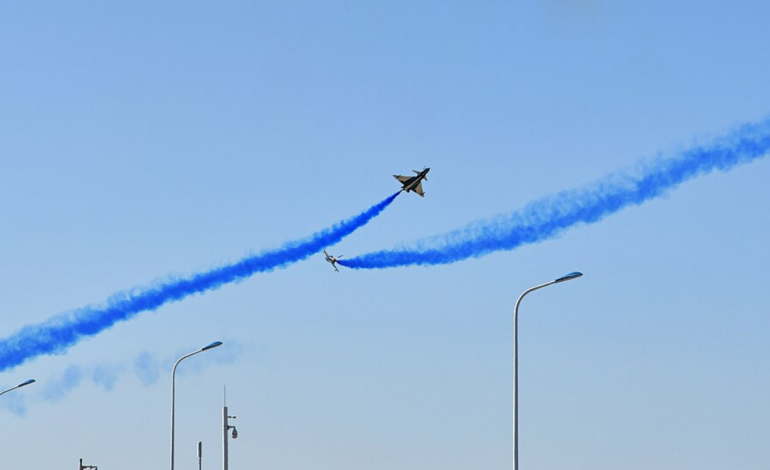
Representational image. (Image courtesy: Wikimedia)

New Delhi: China has made a fresh appearance in Central Asia, with Uzbekistan publicly displaying six Chinese made J-10CE fighter jets just days after the prime minister, Narendra Modi, visited to Tashkent. The move makes Uzbekistan the second foreign country after Pakistan to operate the J-10CE and puts a Chinese combat aircraft at the centre of a rapidly changing regional defence landscape comes amid growing interest in the same fighter from Bangladesh.
The six fighters were shown at Karshi-Khanabad airbase, with footage released during Uzbekistan’s Independence Day celebrations showing the aircraft on the runway, flying in formation and receiving a traditional water-cannon salute. The Uzbekistan’s defence ministry subsequently released footage of the aircraft and described them as modern fighter jets guarding the country’s airspace, effectively confirming their induction.
The development is particularly significant for India as it comes just days after Modi visited Uzbekistan, where the two countries elevated their relationship to a comprehensive strategic partnership. While New Delhi is strengthening its strategic engagement with Tashkent, Beijing is simultaneously expanding its defence presence in the same country through advanced fighter aircraft.
The arrival of the J-10CE is significant because Uzbekistan’s combat aviation has historically depended heavily on Soviet and Russian-origin platforms. The introduction of a Chinese multirole fighter gives Tashkent a modern alternative while allowing it to diversify its defence relationships at a time when Central Asian countries are seeking greater strategic flexibility.
The South China Morning Post reported that Uzbekistan had previously been believed to have ordered 24 J-10CE fighters, although neither Beijing nor Tashkent had officially confirmed the deal. The public appearance of at least six aircraft now provides the clearest confirmation that the Chinese fighters have entered Uzbek service.
The J-10CE is the export version of China’s J-10C multirole fighter. It is a single-engine, medium-weight aircraft designed for both air-to-air combat and strike missions and is equipped with an active electronically scanned array radar, modern electronic-warfare and data-link systems. Its weapons package can include the PL-10 short-range air-to-air missile and PL-15E radar-guided missile for beyond-visual-range engagements.
The jet has also gained considerable international attention since Pakistan used J-10C aircraft during its military confrontation with India in May 2025. Pakistan claimed that its Chinese-made fighters shot down several Indian aircraft, including Rafales, although India has disputed Pakistan’s account and the precise number and circumstances of the losses remain contested.
The development also comes as another country in India’s neighbourhood moves towards the same Chinese fighter. As RNA Media had reported earlier, that Bangladesh has prepared a draft agreement for negotiations with China over J-10CE multirole fighters as part of a wider programme to modernize its air force, although Dhaka has not yet officially disclosed the final number, cost or delivery schedule.
Bangladesh’s interest in the J-10CE adds to the significance of Uzbekistan’s move. Pakistan already operates the fighter, while Dhaka is now preparing to negotiate a possible purchase, potentially giving China a growing chain of J-10CE users stretching from South Asia into Central Asia.
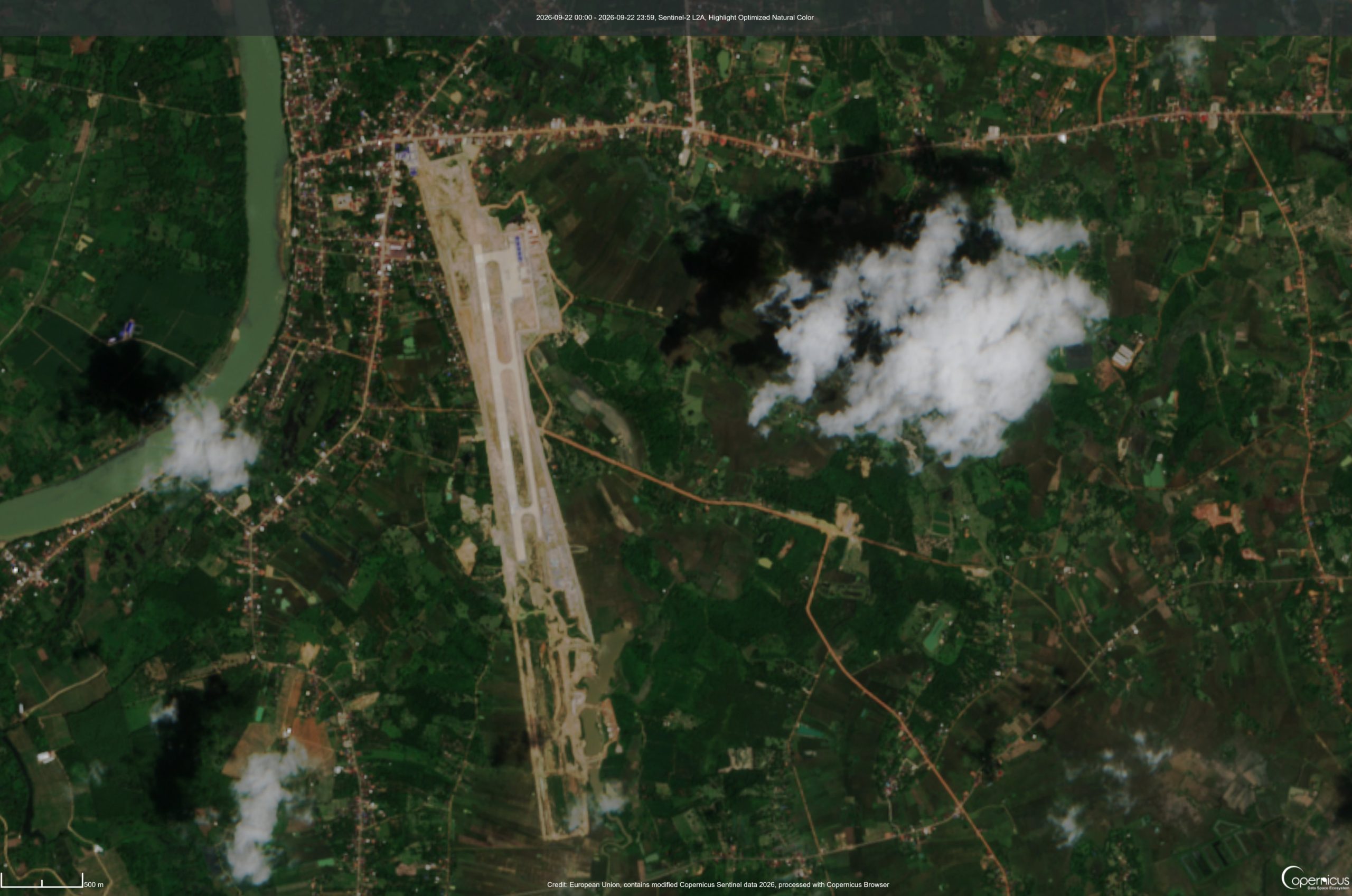
The development is also notable because of the location where the Chinese fighters were showcased. Karshi-Khanabad, also known as K2, was previously used by the United States as a military base for operations linked to the Afghanistan war before the US presence ended in 2005. The appearance of Chinese combat aircraft at the same base reflects the wider changes in the strategic landscape of Central Asia.
For China, the Uzbek acquisition provides an opportunity to build a long-term defence relationship with Tashkent through aircraft, weapons, training, maintenance and future upgrades. It also gives Beijing a stronger position in a region where Russia has traditionally been the dominant military supplier.