

UPI merchant fee above ₹2,000 postponed until after Diwali, customers remain exempt
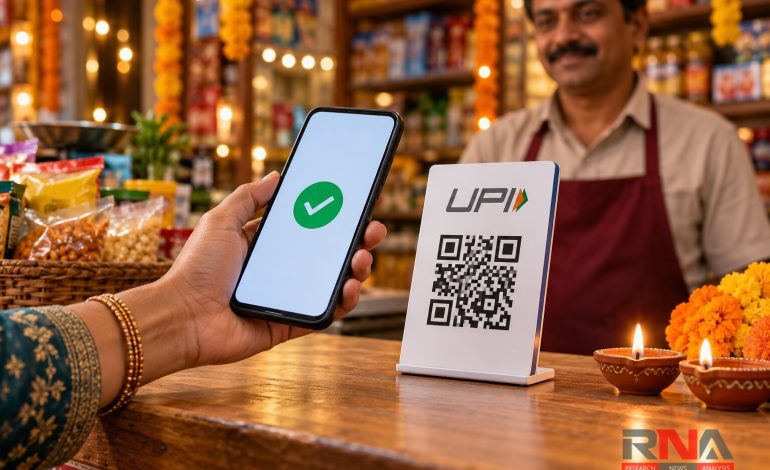
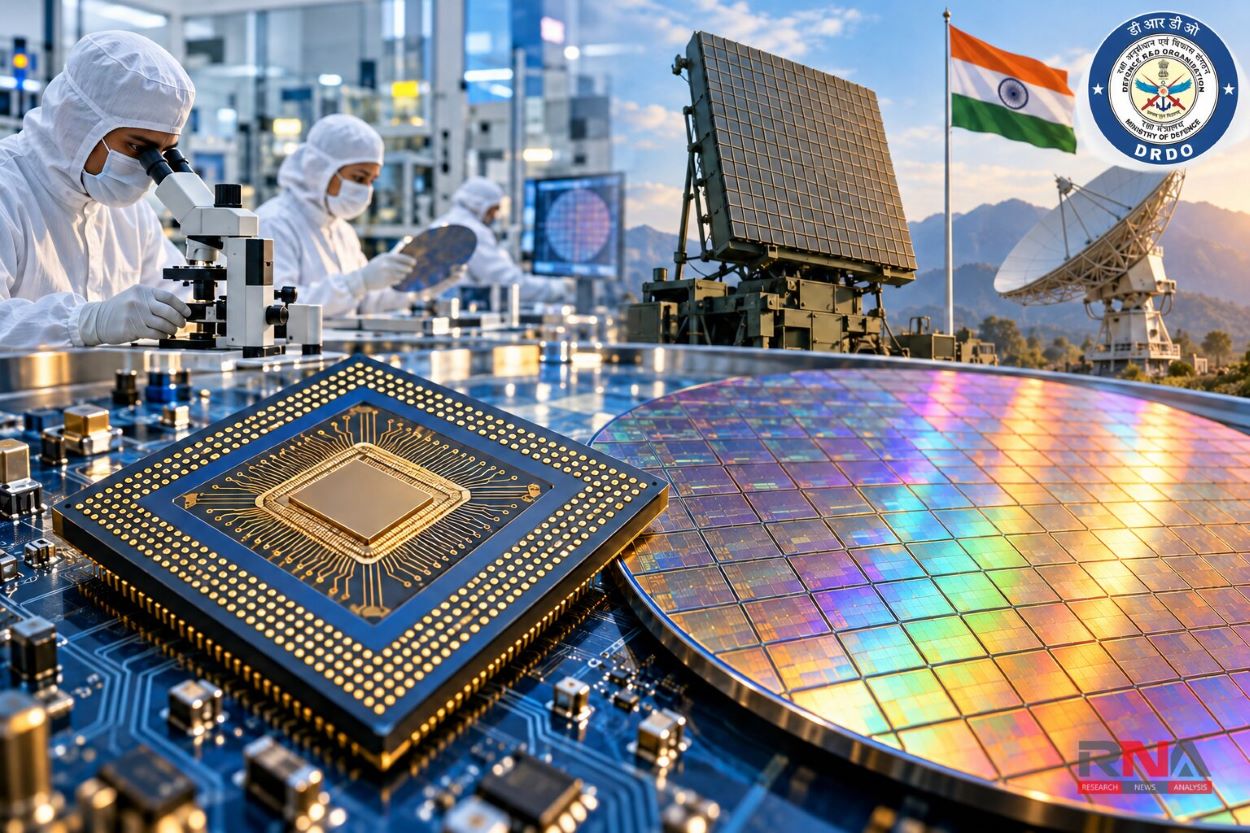
RNA Media Illustration for representation.

New Delhi: India has postponed the introduction of a 0.4% merchant discount rate (MDR) on selected Unified Payments Interface (UPI) payments above ₹2,000 until after Diwali, withdrawing the scheduled October 15 rollout. The National Payments Corporation of India (NPCI), which operates UPI, announced the deferment on Tuesday, but has yet to specify a revised implementation date.
The decision was taken by the UPI and Services Steering Committee with the festive season in mind, according to NPCI’s statement. The committee said the charge would take effect immediately after Diwali on a date to be notified separately, confirming a postponement rather than a withdrawal of the policy.
Diwali falls on November 8, 2026, during a period when purchases of clothing, appliances and vehicles typically drive consumer spending higher. Retailers and a major brokerage had opposed the proposed fee, which would change a UPI payment model that has operated without merchant charges for more than six years.
Earlier reports had suggested that implementation could be pushed back to January 2027 to give businesses and payment companies more time to prepare. However, the latest announcement does not confirm that timetable, leaving merchants awaiting a formal notification of the new starting date.
The distinction between a merchant fee and a customer charge is central to the change: MDR is a payment-processing cost borne by the business accepting a transaction. The money supports participants in the payment network, including banks and payment service providers, rather than constituting a government tax.
Under the announced framework, eligible person-to-merchant payments above ₹2,000 will attract a fee of 0.4%, capped at ₹300 for transactions worth ₹75,000 or more. The finance ministry’s official FAQ says customers will remain exempt and merchants cannot recover MDR through a separate UPI surcharge.
For an eligible ₹5,000 purchase, the rate would produce a merchant fee of ₹20, while the buyer would still pay the listed price. Payments between individuals will remain free, and merchant transactions of ₹2,000 or less will carry no MDR under this framework.
Small vendors classified under the person-to-person-merchant framework, receiving up to ₹1 lakh a month through UPI QR codes, will retain their exemption. Selected categories, including railways, telecom services, insurance and fuel, will instead attract a flat ₹5 merchant fee for eligible payments above ₹2,000.
The government’s stated purpose is to fund infrastructure reliability, cybersecurity, innovation and customer support as UPI expands. Its September 15 FAQ says payments of ₹2,000 or less account for more than 95% of person-to-merchant transactions by volume, placing most everyday purchases outside the fee’s scope.
The proposed pricing has nevertheless prompted questions about how much merchants should contribute and how that revenue should be distributed. A study by Ashish Das of IIT Bombay and former Reserve Bank of India official Pragya Das recommended reducing MDR to 0.08%, arguing that banks already benefit from low-cost current and savings account deposits and should use part of those earnings to support UPI.
The governor of the Reserve Bank of India, Sanjay Malhotra, has expressed confidence that a small merchant fee would not materially reduce transaction volumes. Speaking on October 7, 2026, he said UPI volumes had shown no decline, although the practical effect of the charge will become clear only after implementation.
For businesses, the immediate consequence is additional preparation time before selected digital collections begin attracting a processing cost. For customers, the announced policy preserves free UPI payments, while the revised implementation date remains the principal detail still awaiting confirmation.