


Bangladesh seeks easing of Indian trade curbs as New Delhi flags barriers to its exports
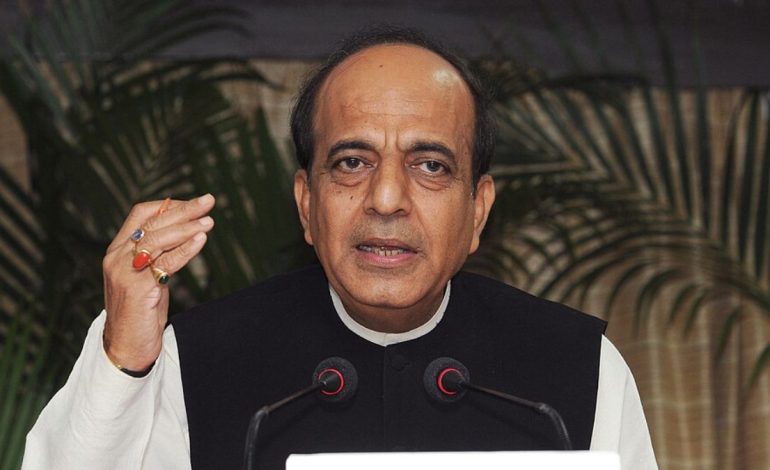
India's high commissioner to Bangladesh, Dinesh Trivedi. (Image courtesy: Wikimedia Commons)

New Delhi: Bangladesh has urged India to remove restrictions on its exports through land ports and withdraw anti-dumping duties on jute products and polyethylene terephthalate (PET) film, while New Delhi has pressed Dhaka to ease barriers affecting Indian goods. The competing demands emerged during the 16th Bangladesh-India Joint Working Group on Trade meeting in New Delhi on October 8 and 9, as both countries sought to resolve longstanding market access disputes.
A 10-member Bangladeshi delegation led by commerce ministry additional secretary, Ayesha Akhter called for harmonized product standards, mutual recognition of testing and simpler certification under the bureau of Indian standards. Dhaka also sought improved access for Bangladeshi freight trucks travelling through India to Nepal and Bhutan.
Better roads, parking facilities, warehouses, quarantine infrastructure and faster clearance at Indian land customs stations were among its other proposals. The requests were outlined in a Bangladesh commerce ministry statement carried by the state news agency Bangladesh Sangbad Sangstha.
India cites barriers to its northeastern trade
India introduced port-specific restrictions in May 2025, requiring Bangladeshi readymade garments to enter only through Kolkata or Nhava Sheva seaports. Processed foods, certain drinks, plastic goods and other specified products were also barred from designated land customs stations in northeastern India and West Bengal.
Separate restrictions imposed in June confined imports of certain Bangladeshi jute products and yarn to Nhava Sheva, with additional jute-based goods covered by later measures. These regulated entry routes for specified products rather than imposing a blanket import ban. The May notification also exempted Bangladeshi goods transiting India to Nepal and Bhutan.
New Delhi, in turn, raised Bangladesh’s restrictions on Indian cotton yarn exports and import duties on products including fruit, rice, iron and steel. Indian officials also objected to the use of a “positive list” allowing only specified products to be traded through land crossings with India’s northeastern states, according to people familiar with the discussions cited by the Hindustan Times.
Both sides discussed reopening border haats, improving customs facilities and strengthening the Akhaura-Agartala route and rail links. Bangladesh sought quicker cargo movements, while India pressed for easier market access for businesses in its northeastern states.
Tariff preferences remain unresolved
Dhaka wants benefits available to eligible exports under the South Asian Free Trade Area (Safta) to continue after it graduates from LDC status. Graduation could change eligibility for special tariff concessions, although it would not automatically end all preferential trade arrangements.
Bangladesh is still scheduled to graduate on November 24, 2026, according to the UN. It has requested an extension until 2029, supported by the UN economic and social council, but a final general assembly decision remains pending.
Trade between the neighbours totalled $12.36 billion in India’s 2025-26 financial year, including $10.58 billion in Indian exports, according to figures reported by Hindustan Times.
Efforts to improve commercial ties preceded the latest discussions. On August 24, India’s high commissioner to Bangladesh, Dinesh Trivedi, discussed reopening border haats, restoring land-port operations and easing yarn-import restrictions with Bangladesh’s commerce minister, Khandaker Abdul Muktadir. More recently, on October 5, Sarbananda Sonowal flagged off DLB Patkai, carrying 540 tonnes of methanol from Bogibeel in Assam to Dhaka.
The discussions are expected to inform a proposed commerce-secretary-level meeting. Neither government has announced an agreement to lift the port restrictions, withdraw anti-dumping duties or extend Bangladesh’s tariff preferences.