

As China’s navy expands its reach, India faces a fleet-building test
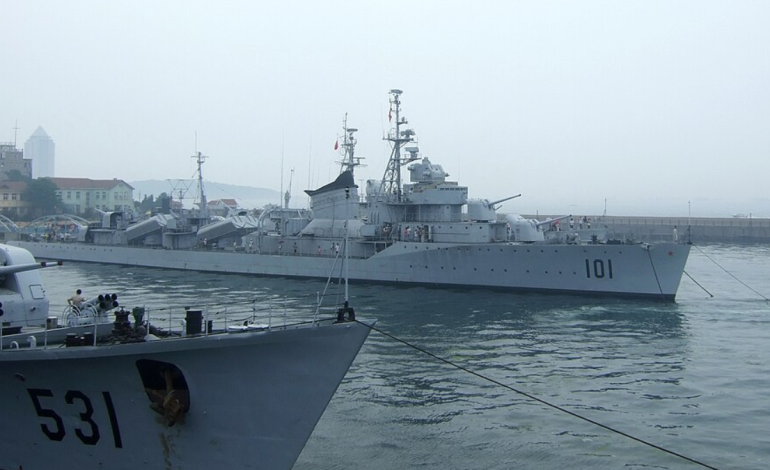
Representational image. (Image courtesy: Wikimedia)

New Delhi: China’s naval expansion has reshaped the strategic balance across the Indian Ocean Region (IOR), and New Delhi can no longer treat this as a distant Pacific concern. The People’s Liberation Army-Navy (PLA-N) now maintains a near-continuous presence in the region, with task forces built around destroyers, frigates and replenishment vessels sustaining rotational deployments far from home waters. What began as anti-piracy patrols off Somalia has evolved into a standing capability for extended power projection, backed by intelligence-gathering vessels and, periodically, submarines.
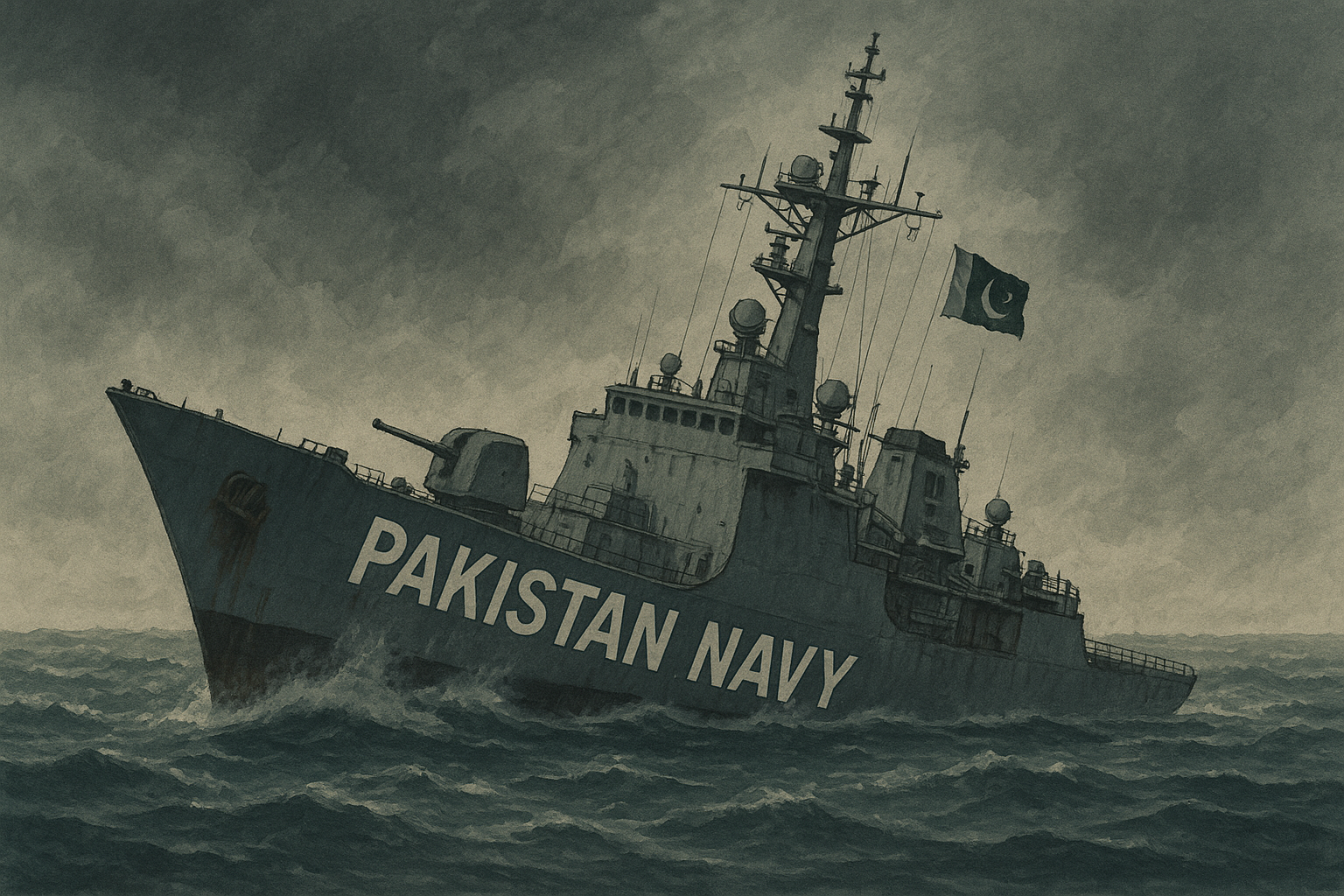
This presence rests on infrastructure. Djibouti hosts China’s first overseas military base, giving the PLA-N a logistics foothold at the mouth of the Red Sea. Gwadar in Pakistan, Hambantota in Sri Lanka and a growing set of commercial port investments across East Africa and South Asia form a wider network – not yet a chain of bases in the traditional sense, but a set of access points that could be converted for military use in a crisis. India’s concern is less about any single facility and more about the cumulative effect: a Chinese navy that can sustain operations, resupply and gather intelligence across the IOR on a routine basis.
China’s carrier programme sharpens this picture. With multiple carriers now in service or under construction, and an accompanying escort and airwing capability still maturing, Beijing is building the tools for genuine expeditionary reach – even if a full IOR carrier presence remains some years away. The trajectory, not the current order of battle, is what should concern planners in New Delhi.
None of this points to an imminent confrontation. It points instead to a long-term contest for influence, access and, in a crisis, control of key chokepoints – the Strait of Malacca, the Bab el-Mandeb, the approaches to the Persian Gulf – through which the bulk of Asia’s energy and trade must pass. Maritime competition of this kind rarely resolves quickly; it is measured in decades, not news cycles, and India’s response needs to be calibrated accordingly.
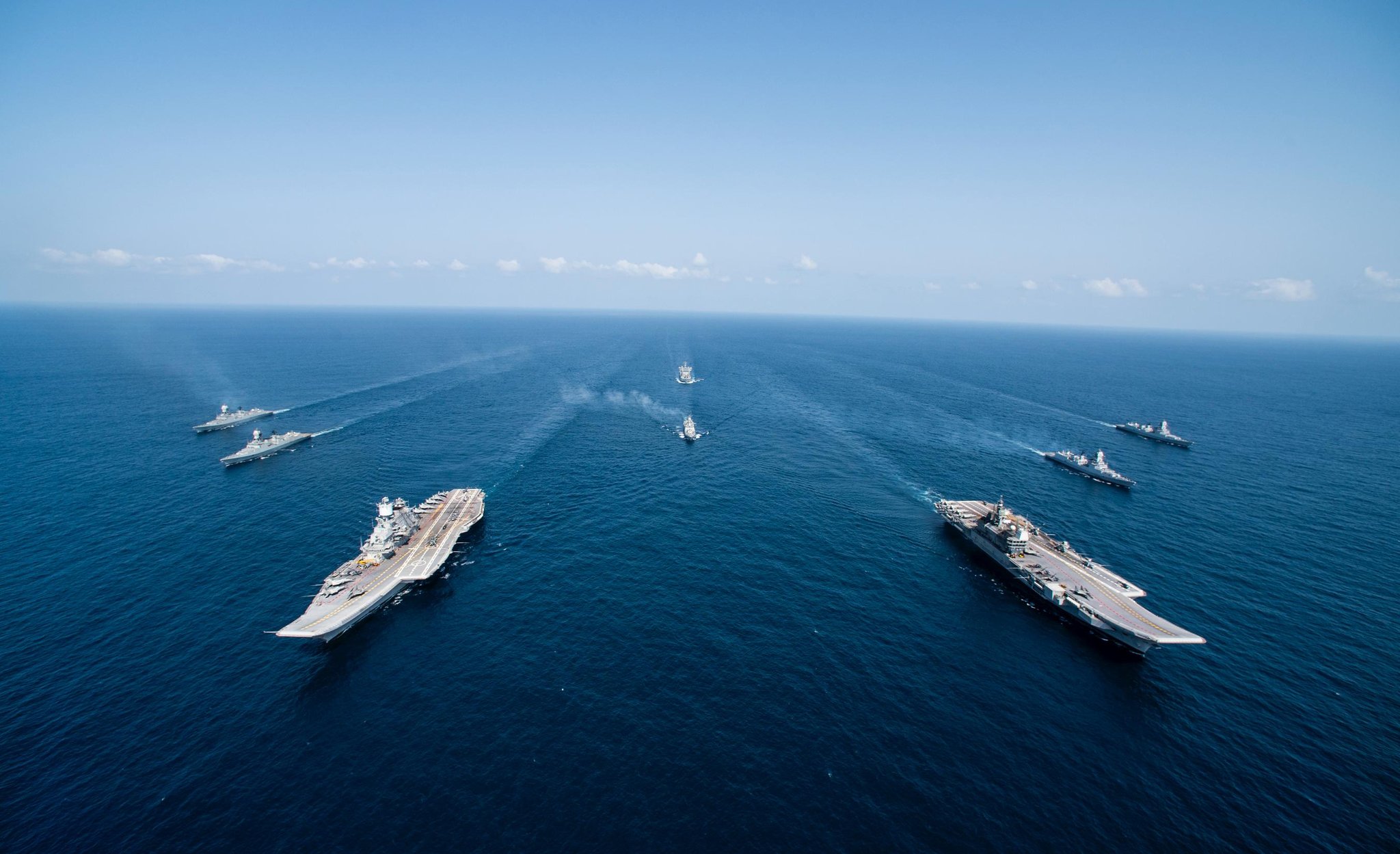
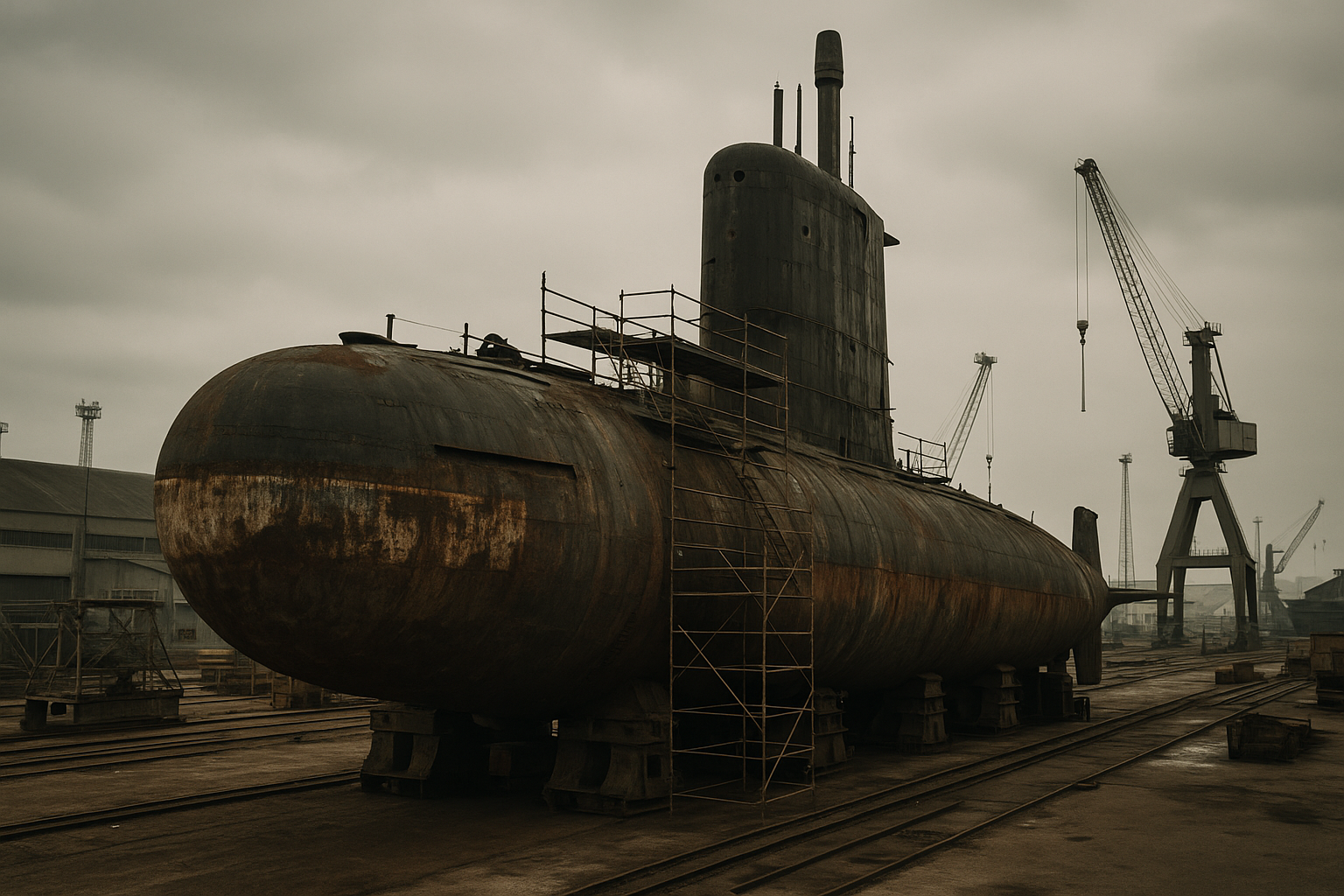
That response should centre on sea control and sea denial in equal measure. A larger, more capable surface fleet – destroyers, frigates and next-generation corvettes – gives India the ability to dominate its immediate waters and contest a wider area when needed. Complementing this with submarines, maritime patrol aircraft and long-range strike capability would let India deny an adversary freedom of manoeuvre even where it cannot guarantee control. Bases in the Andaman and Nicobar Islands, and partnerships through the Quad and with Indian Ocean littoral states, extend this further, converting geography into strategic depth.
Not every analyst agrees a bigger fleet is the right answer. Some argue India’s limited shipbuilding capacity and budget would be better spent on submarines and shore-based missile systems than on additional surface combatants, or that deeper economic and diplomatic engagement with IOR states offers more durable leverage than naval hardware alone. Both arguments deserve a hearing as India shapes its response to a genuinely long-term challenge.