
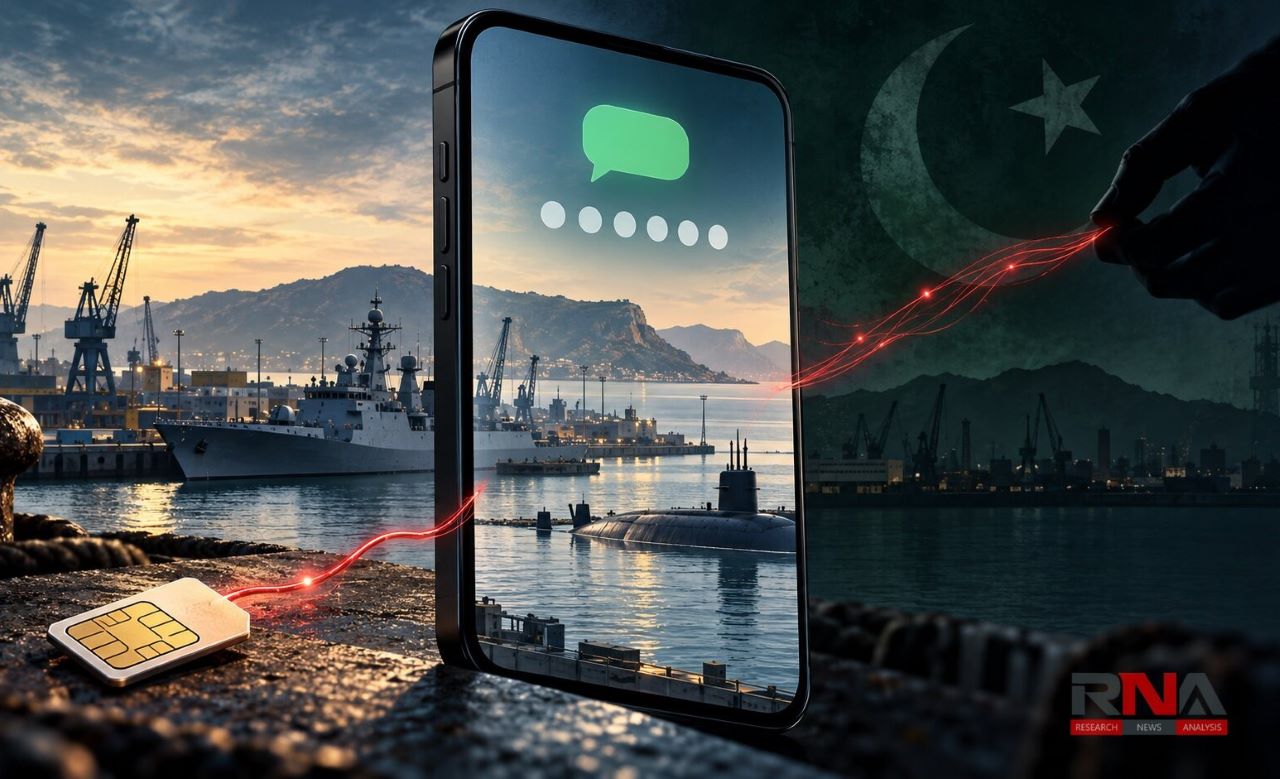
Indian SIMs, Pakistan links: Two men in Bihar arrested in Visakhapatnam Indian Navy espionage case
RNA Media illustration for representation.

New Delhi: Andhra Pradesh police have arrested two men in Bihar accused of supplying Indian mobile verification codes to Pakistani intelligence operatives. The arrests extend an ongoing espionage investigation involving alleged attempts to obtain sensitive information about Indian Navy establishments in Visakhapatnam.
The accused are Raja Kumar, a point-of-sale agent, and Aditya Kumar, alias Aditya Kumar Pandey, both based in Raxaul. A Vijayawada court remanded them until November 10 following arrests during the second phase of Operation Firewall 2026.
According to the police statement reported by PTI, Raja allegedly passed one-time passwords through Nepal-based handlers and arranged an account in another person’s name to receive payments. Aditya allegedly facilitated account activation and communicated with Pakistani agents identified as Wasim, Sultan and Nayeem.
Police also identified an operative using “Soni” or “Soni Queen”, who allegedly obtained warship and submarine information from civilian contract driver Annam Sai Vara Prasad. Another, using “Joshita Pall”, allegedly offered money for sensitive information from personnel in Visakhapatnam.
The Bihar operation was conducted jointly by Andhra Pradesh and local police, according to reporting from East Champaran. Investigators seized two mobile phones and said their examination revealed material relating to OTP transfers and payments, while inquiries continued into other participants and the accounts’ use.
The alleged method helps explain why investigators have followed the trail from a naval centre on India’s east coast to a town on the Nepal border. Indian telephone numbers could give overseas operators a locally recognizable identity when approaching potential contacts, although the nationality of a number does not establish the location or identity of its user.
WhatsApp’s registration guidance explains that activating an account ordinarily requires a six-digit code sent to the telephone number being registered. Sharing that code can therefore enable another person to complete registration, which explains the significance of the alleged OTP supply chain in this investigation.
The wider inquiry began with a case registered in Vijayawada on September 2 under the Bharatiya Nyaya Sanhita, the Unlawful Activities (Prevention) Act and the Official Secrets Act, 1923. Investigators suspected that people in India were communicating with Pakistani operatives through encrypted channels and passing information about defence establishments and strategic locations.
The first phase of Operation Firewall 2026 began on October 1 with searches and inquiries across 10 states and Union territories. Police initially identified 18 suspects, including 13 naval personnel, and worked with naval authorities, state anti-terrorism squads and local police to examine their alleged involvement.
Those arrested earlier included Vara Prasad, who drove vehicles for naval officers, and Pradip Mukharjee, a naval employee apprehended in Coimbatore. Police accused the driver of providing sensitive information for money and Mukharjee of sharing both defence-related information and an OTP used to activate an operative’s WhatsApp account.
Earlier accounts of the investigation describe approaches built around fabricated professional identities, financial inducements and, in some instances, alleged blackmail. In a police release, investigators said a certain “Joshita Pall” presented herself as a Mumbai shipbuilding company employee, while another persona, “Anvi Mehta”, claimed to be a Delhi-based psychologist.
The information allegedly sought included vessel movements, ship and submarine numbers, photographs and details of commanding officers. Investigators also described attempts to persuade personnel to show sensitive areas during video calls, suggesting that the suspected collection effort extended beyond written messages.
A related strand of the investigation led to the arrests of Bongu Ravi and Kadari Srinivas, employees of an engineering company associated with the Visakhapatnam Naval Dockyard. According to reports, they allegedly supplied information about the number of ships and submarines at the facility after contact with a Facebook user calling herself “Angel Payal”.
That strand involved a separate case registered at Malkapuram police station on October 12, illustrating how the wider investigation has developed through more than one police proceeding. The reported allegations concern both people with access to naval workplaces and intermediaries accused of providing communications support.
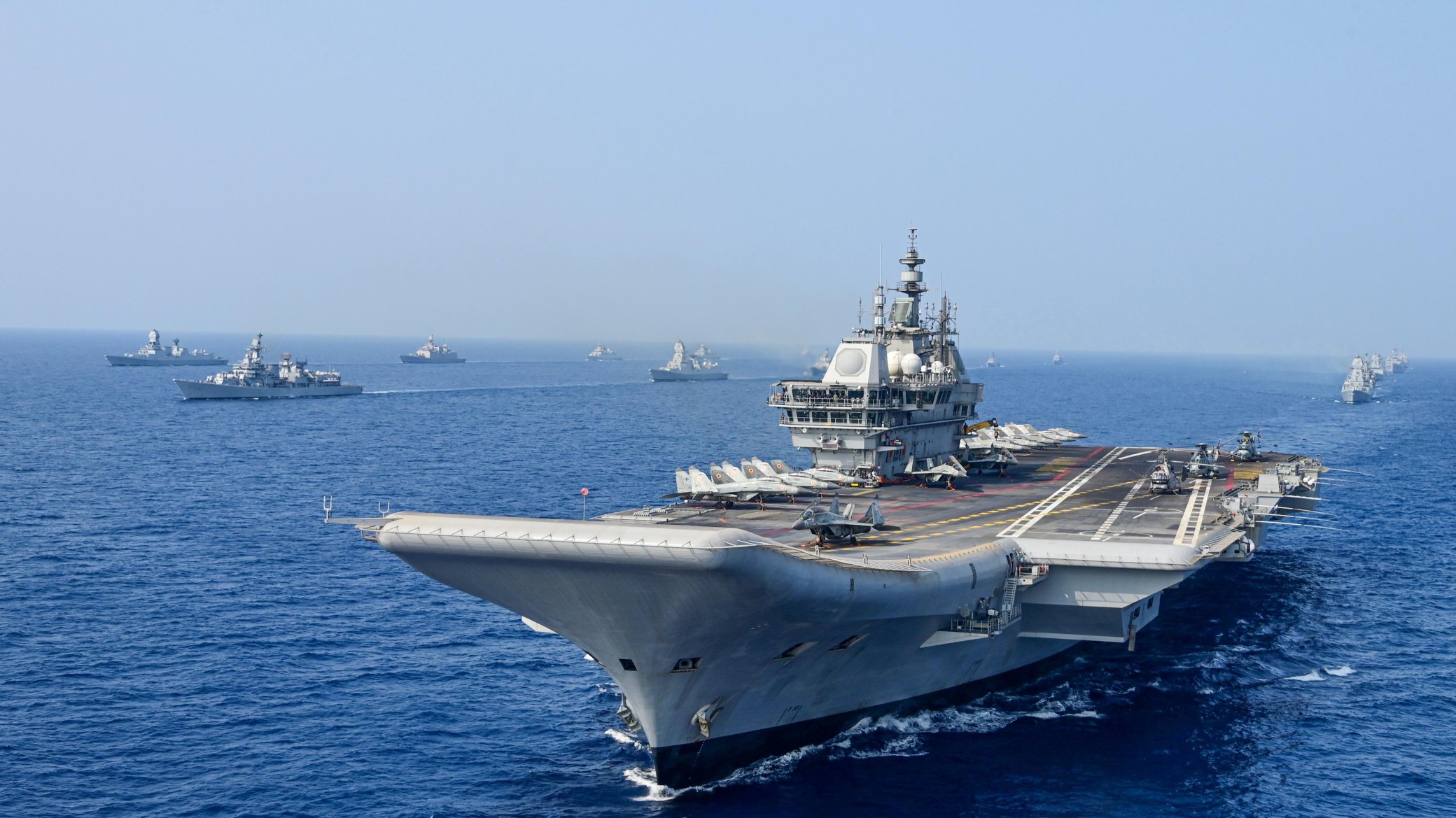
Visakhapatnam houses the Eastern Naval Command’s headquarters and is a central base for India’s naval operations in the Bay of Bengal. Information about vessels’ presence and movements can help reveal operational patterns, making even apparently routine workplace observations potentially valuable to an intelligence collector.
The investigation remains ongoing, and the alleged roles of those arrested must be established through evidence and judicial proceedings. The earlier figure of 18 suspects should also be distinguished from the number arrested: being examined during an inquiry does not establish involvement in espionage.