
Zelenskyy cites India’s proposal for safe Black Sea shipping, says Ukraine ready for truce
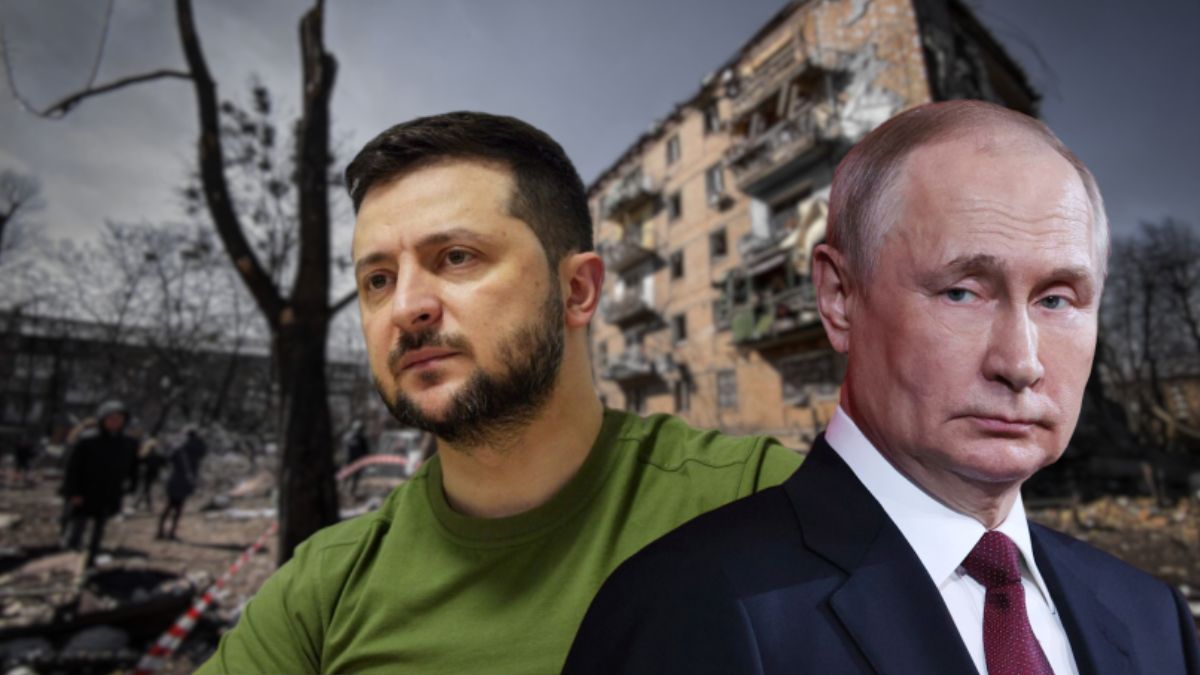
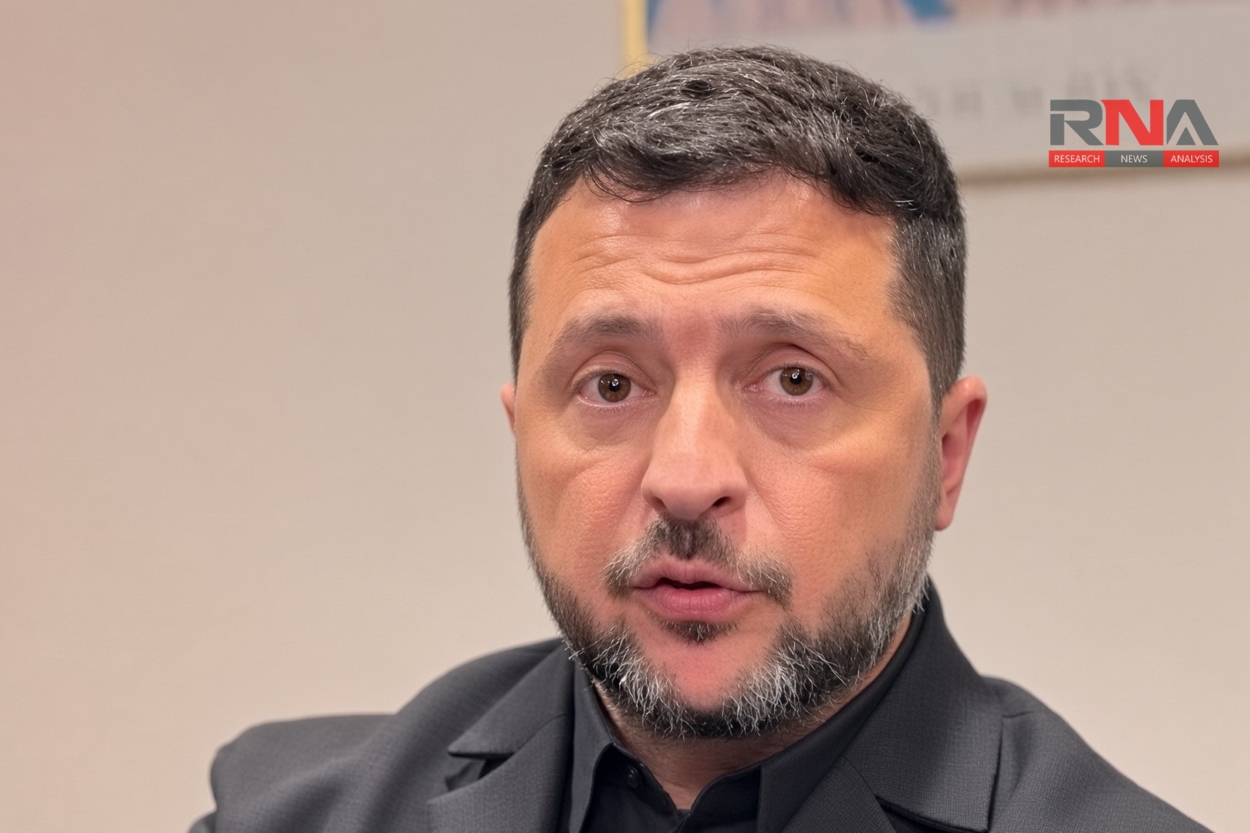
Volodymyr Zelenskyy. (Screenshot taken from a video posted on X)

New Delhi: India is among three countries that have proposed ways to restore safe commercial shipping in the Black Sea, the president of Ukraine, Volodymyr Zelenskyy, said on Wednesday. Kyiv is prepared to support a maritime arrangement if Russia reciprocates, potentially opening a limited avenue for de-escalation in a war that has disrupted vital food and commodity exports.
Speaking at the Crimea Platform summit on the sidelines of the UN general assembly in New York, Zelenskyy said India, Egypt and Turkiye had presented options in writing. Ukraine was awaiting Moscow’s response, he said, making clear that the diplomatic effort had yet to produce an agreed truce.
“We have to start somewhere,” Zelenskyy said, arguing that protecting shipping and food supplies could provide an opening for reducing hostilities. He made Ukraine’s participation conditional on Russia taking concrete steps towards de-escalation, rather than announcing an unconditional suspension of Ukrainian operations.
The accounts of his remarks did not disclose the provisions of India’s proposal, including how safe passage would be monitored or what guarantees would protect vessels. Nor did they establish that the three countries had submitted a single joint plan, leaving the scope and relationship of their respective proposals unclear.
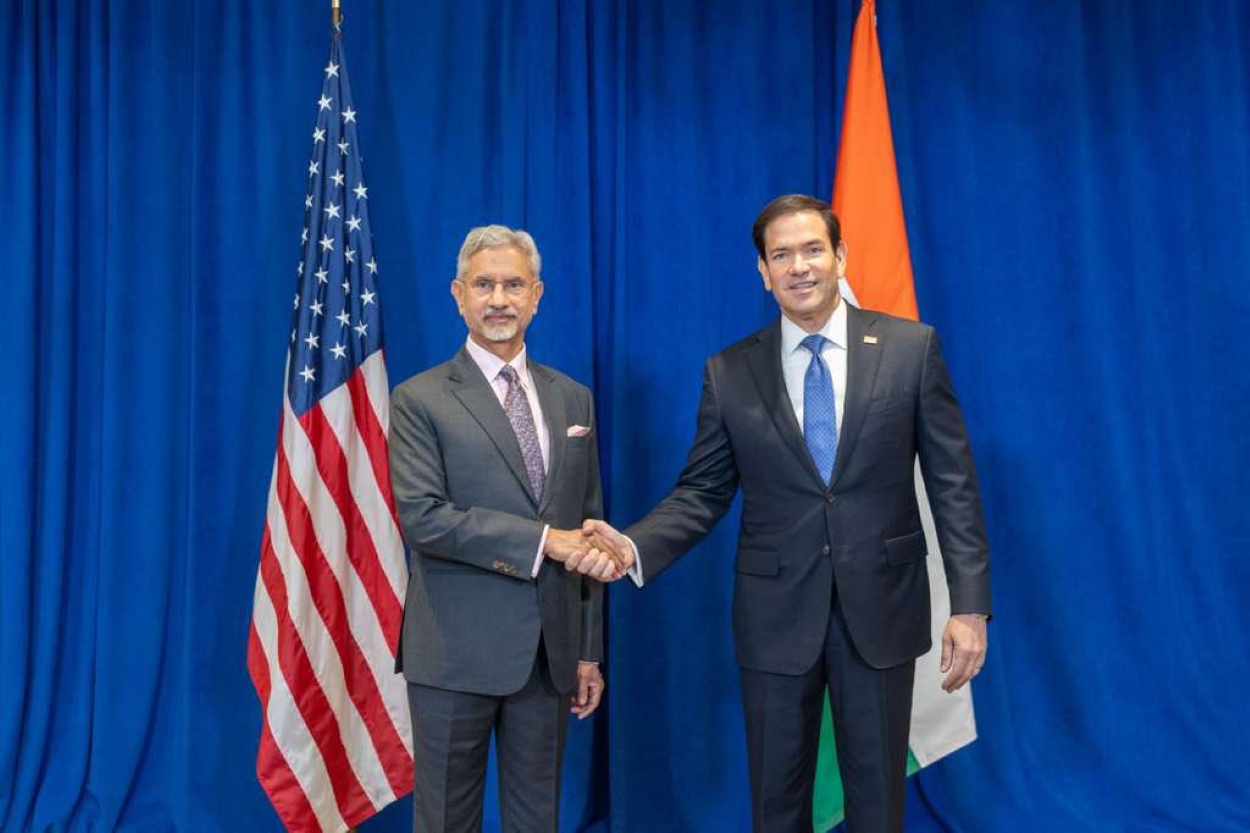
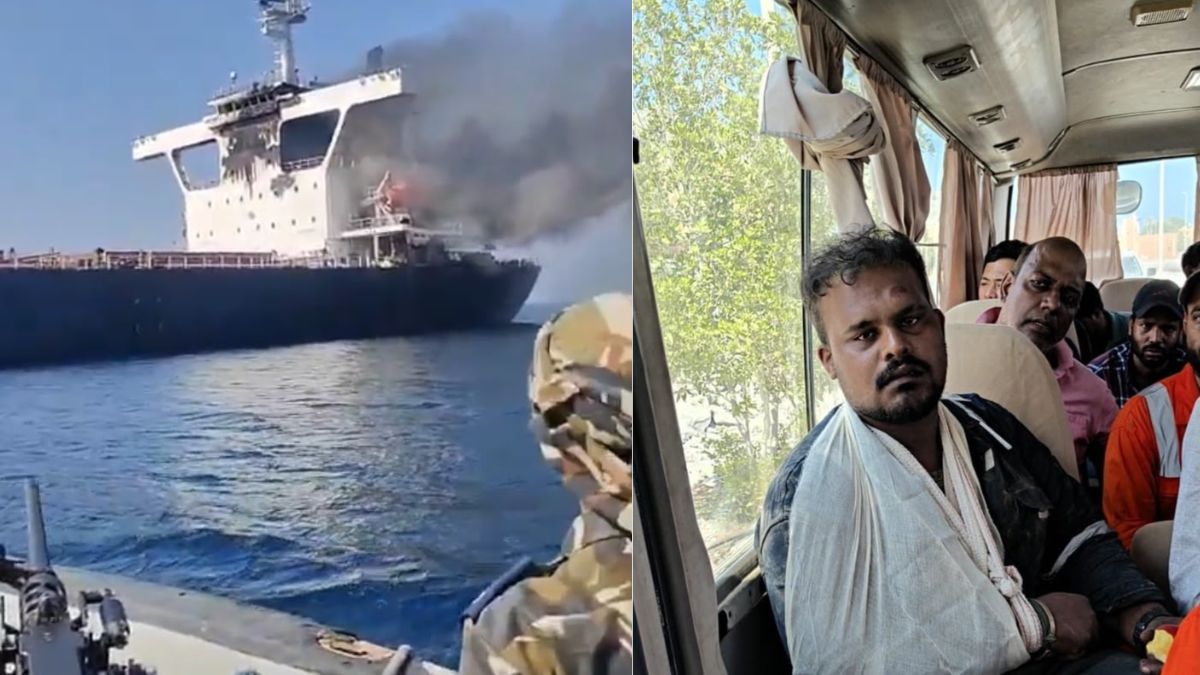
The Indian initiative follows discussions between the external affairs minister, S Jaishankar, and Zelenskyy in Kyiv on September 3, during which threats to civilian shipping featured prominently. According to the Ukrainian presidency’s account, Jaishankar highlighted the deaths of Indian sailors in attacks on vessels and stressed the importance of maritime security to India.
Zelenskyy, in turn, emphasized the consequences of disrupted food exports for countries dependent on maritime supplies. Their talks also covered agriculture, food security and opportunities to expand bilateral economic cooperation, placing the shipping question within a wider discussion of trade and the war’s international effects.
Jaishankar subsequently said in Warsaw that India remained in contact with both Russia and Ukraine and was examining suggestions that could help reduce hostilities and, ultimately, end the conflict. His remarks positioned New Delhi’s engagement as an effort to develop workable diplomatic options, without claiming that either side had accepted an Indian settlement formula.
Turkiye has been pursuing a parallel effort to halt attacks on civilian vessels, drawing on its experience of brokering the earlier Black Sea grain agreement. A Turkish diplomat told AFP on September 17 that Ankara had shared a draft memorandum with Moscow and Kyiv, describing it as inspired by the previous grain corridor mechanism.
The urgency extends beyond the two warring countries. Industry figures cited in that report indicated that at least 25 Turkish-owned vessels had been hit since late June. Following the collapse of the earlier agreement, Ukraine developed an alternative shipping route running close to the Romanian and Bulgarian coasts, although access to its ports has remained vulnerable to attack.
The earlier Black Sea Grain Initiative, brokered by the UN and Turkiye in July 2022, demonstrated the scale of trade that a limited wartime arrangement could preserve. According to the UN, it enabled nearly 33 million tonnes of grain and other foodstuffs to leave Ukraine for 45 countries before the agreement expired in July 2023.
Its significance went beyond the destinations receiving individual cargoes as returning Ukrainian supplies to international markets helped ease pressure on food prices. The initiative also supported humanitarian deliveries, illustrating why maritime security in the Black Sea matters to countries far removed from the battlefield.
Renewed attacks are also making commercial voyages more expensive, even where passage remains possible. Reuters reported on September 18 that London’s marine insurance market had expanded its Black Sea risk-reporting area, while additional war-risk premiums had risen by hundreds of thousands of dollars for a seven-day voyage.
The reporting requirement covers the wider Black Sea, with an exception for voyages within the territorial waters of neighbouring countries. These rising costs add a commercial obstacle to the physical dangers facing ships carrying grain, crude oil and refined products.
Previous attempts to secure a narrower shipping truce have encountered disagreement over whether maritime restraint should be linked to protection for energy infrastructure. In August, Zelenskyy said Russia had rejected a Ukrainian offer to stop attacks on agricultural shipping because Moscow wanted assurances against strikes on its energy sector.
That account underlines the difficulty facing the latest proposals as the two sides may seek different concessions in return for protecting maritime trade. For now, Zelenskyy’s announcement establishes that written options involving India are under consideration, while reciprocal commitments needed to turn them into safe passage remain unresolved.