
In New York meeting, Jaishankar flags US sanctions threat to India over Russia as Rubio stresses strategic ties
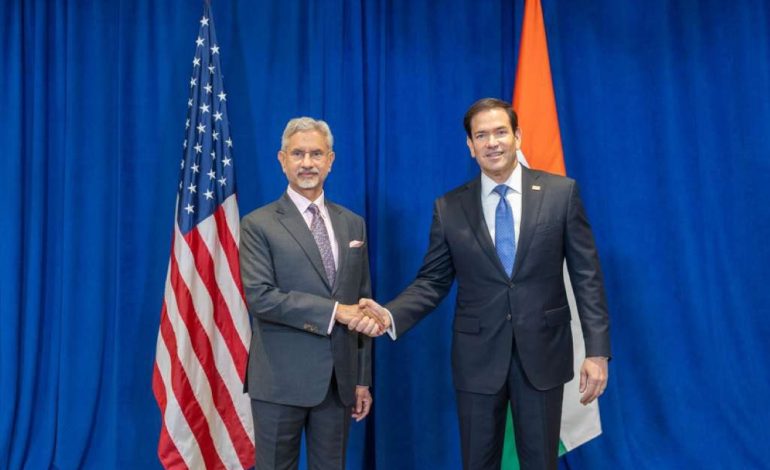
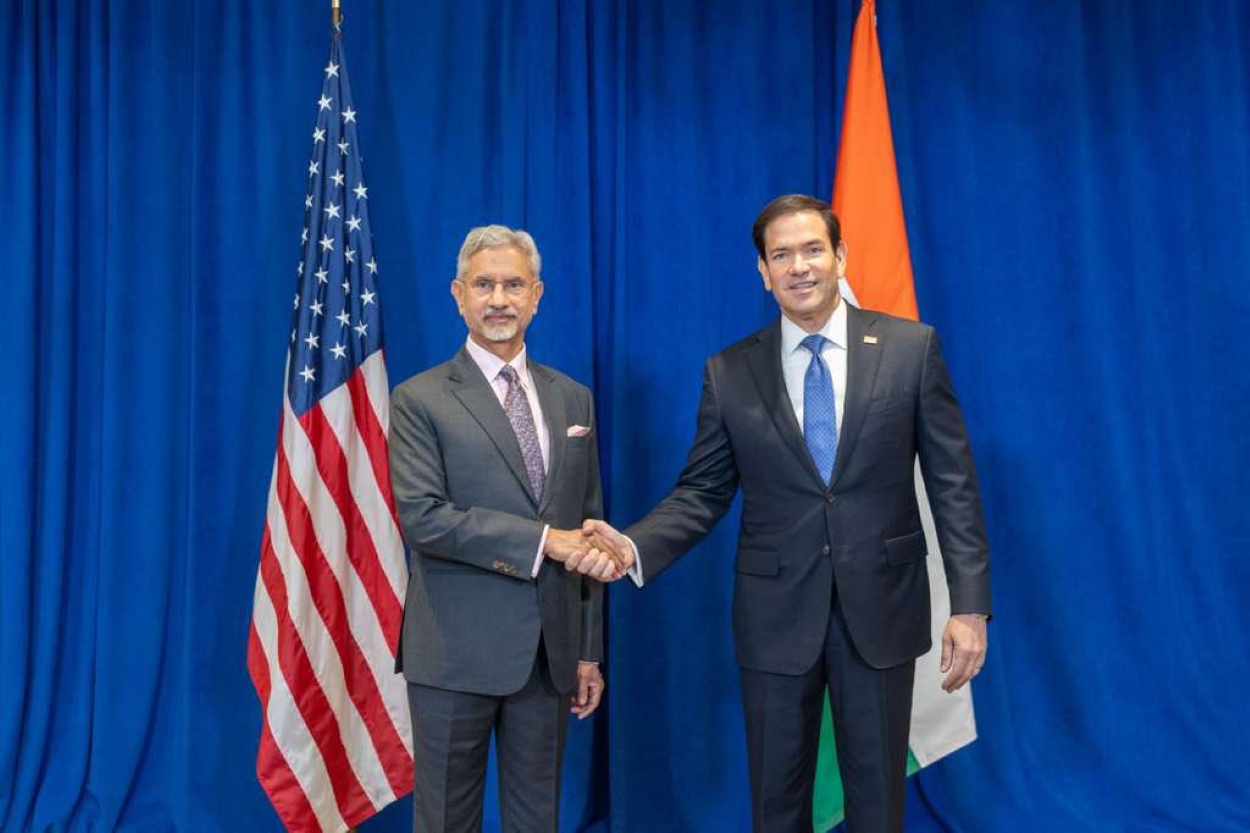
S Jaishankar (L) and Marco Rubio during their meeting in New York, on September 23, 2026. (Photo: X/DrSJaishankar)

New Delhi: The external affairs minister, S Jaishankar, raised India’s concerns over Washington’s new Russia sanctions law during talks with the US secretary of state, Marco Rubio, in New York on Wednesday. The meeting brought the potential economic consequences for India into focus, even as Rubio emphasized continued cooperation between the two strategic partners.
Meeting on the sidelines of the United Nations general assembly, the ministers also discussed the Gulf and Ukraine, according to Jaishankar’s account. Their subsequent public statements differed in emphasis: the Indian minister specifically identified the sanctions legislation, while Rubio highlighted regional coordination and forthcoming multilateral engagements.
Jaishankar said he had “reiterated India’s interests and concerns with regard to SRIA”, referring to the Sanctioning Russia and Iran Act. Rubio’s post did not mention that disagreement, and neither minister’s public account announced an exemption for India or a settlement of the issue.
The legislation gives the US administration authority to impose tariffs of up to 100 per cent on major purchasers of Russian oil and gas, potentially exposing India and China to further economic pressure. For New Delhi, the dispute therefore reaches beyond its energy transactions with Moscow to the conditions under which Indian goods enter the American market.
As RNA Media had reported, the US president, Donald Trump, signed the legislation on September 18. Formally called the Lindsey O Graham Sanctioning Russia and Iran Act of 2026, it expands sanctions, tariff powers and restrictions concerning Russia, while extending existing sanctions on Iran.
The distinction between authorizing tariffs and imposing them is significant: the new law provides powers whose application will determine the eventual commercial impact. The ministers’ statements did not announce that the maximum 100 per cent rate had been imposed on India following their meeting.
Washington’s stated purpose is to restrict the revenues sustaining Russia’s war in Ukraine by targeting its energy and defence industries, as well as the tanker networks used to circumvent existing sanctions. The legislation also extends pressure to major trading partners, making their purchases of Russian energy a potential trigger for American trade restrictions.
India had already warned that the measure could affect bilateral relations and international energy markets, while maintaining that its purchases would reflect the need for secure and affordable supplies. Its position makes energy security central to the disagreement: Washington seeks to reduce Moscow’s earnings, while New Delhi wants to preserve its ability to choose suppliers on economic grounds.
The exposure is considerable because the United States is India’s largest export market, with goods shipments reaching $42.79 billion in April–August, against $40.39 billion a year earlier, Reuters reported. Its September 17 report also said Indian refiners had arranged Russian supplies for September and October, and that some wanted the government to seek relief or purchase quotas as alternative supplies tightened because of the West Asia conflict.
The latest disagreement comes against an unsettled trade backdrop, following the Trump administration’s imposition of tariffs totalling 50 per cent on Indian goods last year, partly over Russian oil purchases. The two countries announced an interim trade framework in February, but that announcement did not eliminate the need for further negotiations.
At their earlier meeting in Manila in July, Jaishankar and Rubio discussed trade, tariffs, energy, defence, critical minerals and artificial intelligence. They also emphasized the importance of finalizing the interim trade agreement, illustrating how the sanctions dispute now intersects with a much wider economic and strategic agenda.
Washington’s pressure over Russian energy has also prompted scrutiny of the exceptions it retains for its own needs, a question highlighted in the Times of India’s account of the meeting. The relevant American uranium rules provide a specific example: although the United States banned Russian low-enriched uranium imports from August 11, 2024, it established a waiver mechanism to protect nuclear fuel supplies.
Under the US energy department’s, such waivers may be granted when no viable alternative source is available or when imports serve the national interest. This is a conditional exception under a separate law, but it demonstrates that Washington’s own restrictions accommodate concerns about supply continuity.
Despite the disagreement, both ministers’ accounts indicated that diplomatic engagement was continuing across several areas. Jaishankar’s inclusion of the Gulf and Ukraine showed that the talks extended beyond bilateral trade, although he disclosed no specific agreement on either conflict.
For now, the meeting’s publicly disclosed outcome was a restatement of India’s objections alongside an American affirmation of the partnership. The unresolved question is how Washington will exercise its new sanctions powers, and whether further negotiations can address India’s energy concerns without creating another barrier to bilateral trade.