
Hormuz tensions rise as US moves to block Iran’s land-based supply chains
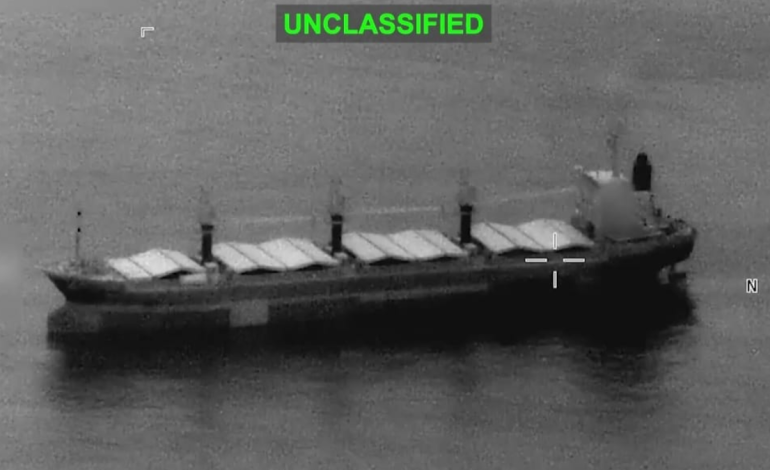
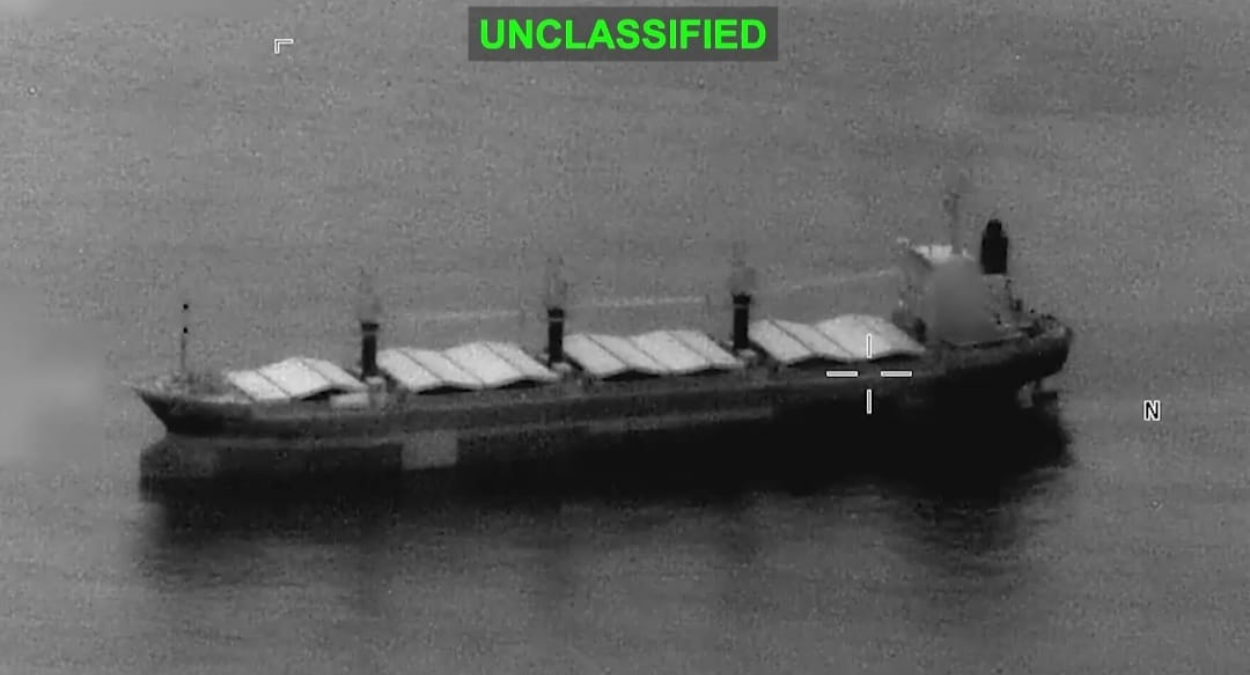
Hormuz tensions rise. (Image courtesy: X/@CENTCOM)

New Delhi: The United States is widening pressure against Iran after the Republican Party suffered setbacks in the November US midterm elections. Washington has announced a new task force to disrupt Iran’s land-based supply networks. The move comes amid fresh explosions in southern Iran and growing concerns over commercial shipping in the Strait of Hormuz.
The US Central Command (Centcom) announced the formation of task force iron gate on Sunday. The Centcom chief, Admiral Brad Cooper, ordered the creation of the unit to prevent Iran from using land routes to transport advanced weapons and other restricted materials.
Based in Tampa, Florida, the team will comprise around 20 civilian and military personnel. It will coordinate with other US agencies to monitor the movement of weapons systems, dual-use technologies, sanctioned materials and illegal revenue across Iran’s land borders and the Caspian Sea.
Cooper said the task force would strengthen the existing US naval blockade. He claimed that the restrictions had prevented Iran from exporting more than $25 billion worth of crude oil in recent months. Washington aims to limit Tehran’s ability to finance armed groups, rebuild weapons factories and replenish its military.
US disables cargo ship in Gulf of Oman
The announcement came as US forces continued enforcing restrictions on shipping linked to Iranian ports. On Sunday, Centcom said a US military aircraft had disabled the St Kitts and Nevis-flagged cargo vessel MV Huda in the Gulf of Oman.
According to Centcom, the aircraft fired precision munitions at the ship’s stern after its crew was directed to leave the targeted area. The command said its forces had redirected 147 commercial vessels since July. Five other merchant ships that refused to comply had also been disabled.
Explosions reported across southern Iran
The latest developments coincided with reports of explosions in several parts of southern Iran. Iranian state media reported blasts on Qeshm Island and in Jask, Sirik and Bandar Abbas on Sunday.
The reports followed Trump’s confirmation of fresh US strikes on Qeshm Island a day earlier. He described the operation as limited and said Tehran remained interested in reaching an agreement with Washington.
Meanwhile, Iranian navy claimed that two oil tankers had struck sea mines near the Strait of Hormuz. Iranian state television said the vessels had entered an unsafe section of the waterway with their navigation systems switched off. Both reportedly suffered heavy damage.
Diplomatic efforts continue
Despite the military developments, diplomatic contacts between Washington and Tehran remain underway. Qatar has been mediating between the two sides to prevent further escalation. Trump has also discussed the negotiations with Qatar’s emir, as RNA Media earlier reported.
The formation of task force iron gate adds a land-based dimension to the existing US blockade. While naval restrictions target shipping and oil exports, the new unit will focus on Iran’s overland supply networks and the movement of restricted materials.