US Central Command turns to crowdsourcing as Iran war options run thin
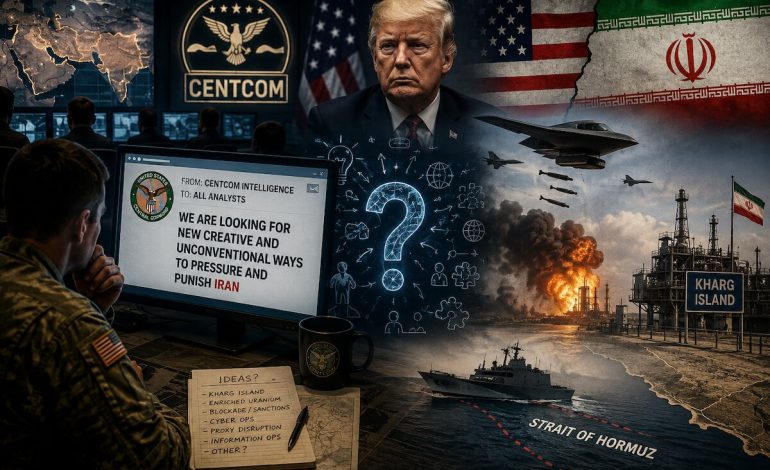
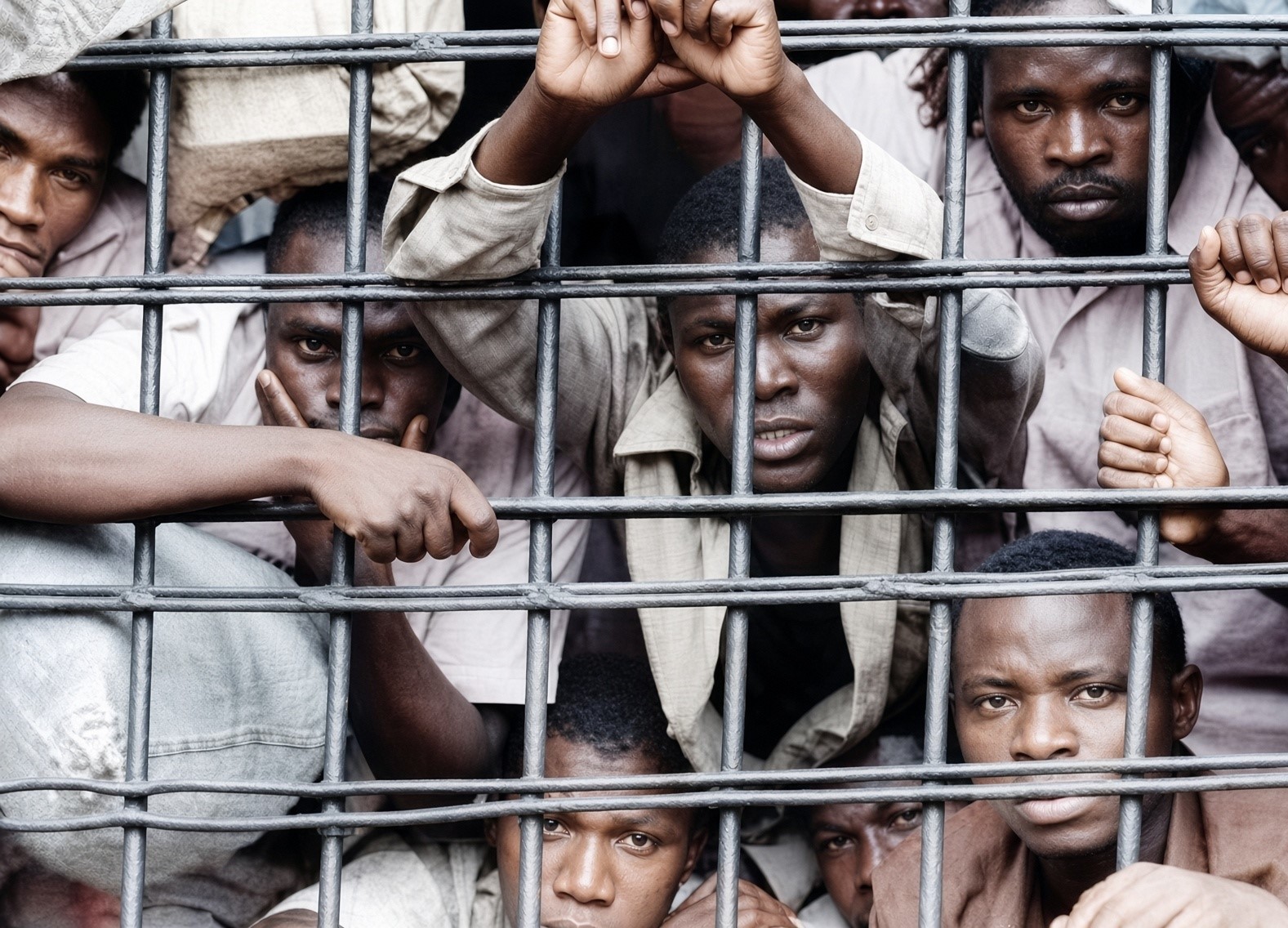
RNA Media illustration for representation.

New Delhi: A senior intelligence officer at US Central Command (Centcom) has emailed a broad group of military analysts asking for “creative and unconventional” ways to pressure and punish Iran, according to a CNN report that cited two sources familiar with the message. The appeal, sent on July 29, is being read in Washington as a sign that options of the US president, Donald Trump, for compelling Tehran to accept a deal on American terms have narrowed considerably after five months of open conflict.
“We are looking for new creative and unconventional ways to pressure and punish Iran,” the officer, based in Centcom’s intelligence branch, wrote in the message. American military officials told CNN that soliciting ideas this way – by email, and open to analysts regardless of rank – was unusual for a command that normally works through more formal planning channels.
Centcom did not deny that the email had been sent. Captain Timothy Hawkins, a spokesman for the command, said in a statement that Centcom “has a long history of thinking and working in innovative ways,” and added that Admiral Brad Cooper, the Centcom commander, “reaches out to members of our great team, regardless of rank, to achieve the highest levels of operational performance possible.”
The brainstorming request emerged just as Trump appeared to step back from another major escalation. Two sources told CNN that the president had been weighing a fresh wave of strikes – potentially targeting Pickaxe Mountain and other Iranian sites believed to house nuclear material or equipment – only to shelve the plan over the weekend after regional leaders, including Saudi Arabia’s crown prince, Mohammed bin Salman, urged restraint.
Even America’s heaviest conventional munitions may not be enough to finish the job at such sites, according to sources cited by CNN, because the facilities are buried too deep underground to guarantee destruction from the air alone. Reaching them convincingly would likely require ground troops, an option Trump has so far declined to authorize, partly over concerns about transparency around American casualties.
The wider campaign, which US officials have referred to as Operation Epic Fury since it began alongside Israel, has settled into an uneasy rhythm. Trump has repeatedly announced plans for what he once called “the biggest attack since World War II,” only to call them off at the last moment, a pattern that repeated itself again over the past few days.
Both the Central Intelligence Agency (CIA) and the Defense Intelligence Agency (DIA) have assessed that the current bombing campaign is unlikely, on its own, to shift Iran’s negotiating position, CNN reported. That assessment appears to be shaping the mood inside Centcom, where one source familiar with internal discussions said commanders were reviewing the full range of alternatives rather than simply intensifying the existing approach.
Trump told reporters aboard Air Force One on Monday that negotiations with Tehran would resume “tomorrow afternoon”, with a focus on reopening the Strait of Hormuz and ensuring Iran never acquires a nuclear weapon. Iran has publicly denied that any such talks are underway, and has rejected direct negotiations with Washington since a June memorandum of understanding aimed at ending the conflict broke down in early July.
Esmail Baghaei, the spokesman for Iran’s foreign ministry, said on Monday, that Tehran was in discussion only with Oman, over a temporary arrangement for safe shipping through Hormuz. He insisted the strait remained closed not because of any dispute with Muscat, but because of continuing American and Israeli military action and a naval blockade.
Baghaei also rejected attempts to link attacks by Yemen’s Houthi movement and Iran-aligned Iraqi militias to Tehran directly, arguing that Iran had opened no new fronts in the conflict. “You cannot start a fire against a country and then expect it to stay only where you wanted,” he said, placing responsibility for the war’s spread squarely on Washington and its allies.
Options still on the table reportedly include the seizure of Kharg Island, a key Iranian oil export terminal, and efforts to remove Iran’s stockpile of highly enriched uranium. Both would mark a significant departure from Trump’s 2024 campaign pledge to avoid sending American ground forces into fresh Middle Eastern wars, and analysts say either move would carry serious escalation risks with limited certainty of success.
A third option under discussion, according to a source familiar with the deliberations, would simply be to continue the present pattern of limited strikes and Iranian retaliation while keeping the door open for negotiations. “At the end of the day, POTUS will want a deal, so he’ll continually look for ways to get tough and get out of this,” the source said. “You need creative minds at times, especially if you’re running out of conventional options.”
For a command built around some of the world’s most sophisticated military hardware, the appeal to junior analysts for fresh thinking is a telling admission. It suggests that, after months of strikes, blockade and diplomatic breakdown, Washington’s problem in the Iran war is no longer a shortage of firepower – but a shortage of ideas.