
US-Iran talks: Trump gives Tehran ‘last chance’ as his approval rating falls to 35%
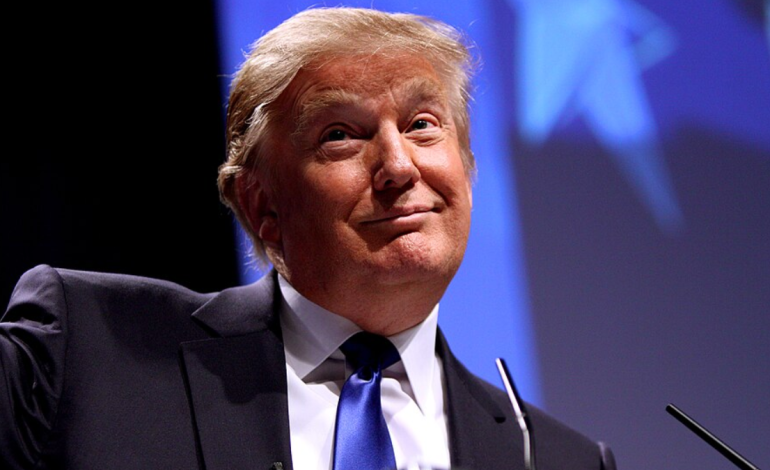
Trump administration refunds $100 billion. (Image courtesy: Wikimedia)

New Delhi: The United States president, Donald Trump, has claimed that Washington and Tehran have resumed talks to end the five-month-old conflict, calling the negotiations Iran’s “last chance” to reach a deal and prevent further escalation. Iran, however, has disputed Washington’s account, saying it is negotiating with Oman over arrangements for the Strait of Hormuz rather than holding direct talks with the US.
The contradictory statements come as the conflict continues to disrupt two of the region’s most important shipping routes and as pressure grows on both governments to find a way out of the confrontation.
Hormuz emerges as key hurdle
At the heart of the latest diplomatic push is the Strait of Hormuz, where Iran and the US remain sharply divided over who should control maritime movement.
Tehran wants to retain a decisive role in managing traffic through the waterway and has been discussing its future administration with Oman. Washington, meanwhile, has pushed for unrestricted navigation and has used a naval blockade on Iranian ports as a tool to pressure Tehran.
The dispute has already caused a dramatic reduction in shipping. Reuters, citing Kpler data, reported that just six vessels crossed Hormuz on Monday — three tankers and three bulk carriers. Before the war, the waterway handled roughly 130 vessel crossings a day.
Iranian military adviser Mohsen Rezaei has also warned that Tehran would not accept the US attempt to establish another maritime route through the strait. His comments came as the US military said it had redirected 44 vessels, disabled two and boarded two others during enforcement operations.
Even as diplomatic signals emerge, the security situation around the waterway remains unsettled.
The UK Maritime Trade Operations said a cargo vessel reported being struck by an unidentified projectile about 20 nautical miles northeast of Al Khasab in Oman. The incident is being investigated, with UKMTO advising ships operating in the area to remain alert and report suspicious activity.
Iran, US leaders face rising pressure
The diplomatic uncertainty is being accompanied by reports of growing differences within Iran’s leadership. The Times of India, citing Israeli broadcaster Channel 14 and sources familiar with developments in Tehran, reported that Iran’s supreme leader, Mojtaba Khamenei, has adopted a tougher stance on negotiations with the US and backed IRGC commander Ahmad Vahidi on key decisions related to the conflict.
The report also claimed that president Masoud Pezeshkian’s influence over foreign and security policy has been weakened. Pezeshkian had previously threatened to resign amid disagreements over the limited role given to his administration in strategic decision-making, according to the report.
The pressure is not limited to Tehran. Trump’s handling of the conflict is increasingly becoming an issue at home, with his approval rating slipping as the economic consequences of the war are felt by American consumers.
A Reuters/Ipsos survey put Trump’s approval at 35 per cent, down from 37 per cent in the previous month. Reuters reported that concerns over the economy, including higher petrol prices linked to the Iran conflict, were weighing on public sentiment. Trump has nevertheless rejected negative polling and insisted that his actual numbers are much stronger than those reported by the media.
Netanyahu, Trump differ over Gaza
The Iran crisis is unfolding alongside renewed differences between Israel and the US over Gaza. Israeli prime minister, Benjamin Netanyahu, has said he disagrees with president Donald Trump’s approach to Hamas, insisting that the Palestinian group must be fully disarmed and Gaza demilitarised before reconstruction efforts can move ahead.
The disagreement comes as the humanitarian situation in Gaza remains critical. The UN has condemned the killing of civilians and called for greater protection of healthcare facilities as Israeli military operations intensify across the enclave.
Meanwhile, uncertainty over the US-Iran talks continues to weigh on regional trade and energy markets. Shipping activity through the Strait of Hormuz and Bab al-Mandeb remains well below normal levels although oil prices have inched higher as markets remain cautious about the prospects of an immediate diplomatic breakthrough.