


Manipur warns armed groups of UAPA action as civilian killings expand unrest in restive state
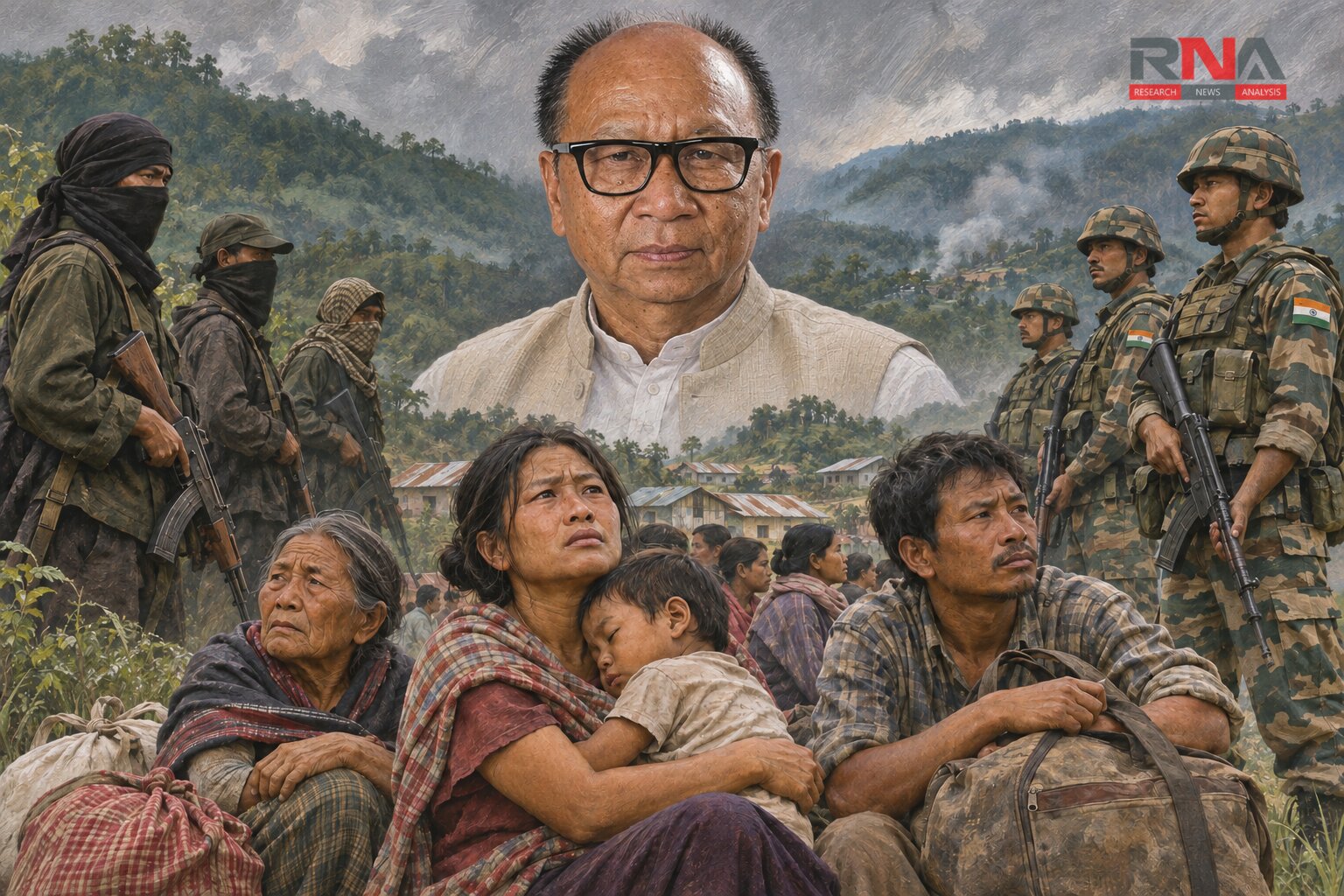
RNA Media illustration for representation.

New Delhi: The Manipur government has warned that armed groups found responsible for attacks on civilians could face action under the Unlawful Activities (Prevention) Act (UAPA), as renewed killings intensify pressure on the administration. The chief minister, Yumnam Khemchand Singh, on Tuesday, directed security agencies to identify organizations suspected of involvement in recent violence and submit a detailed report for further action.
Chairing a security review meeting at the chief minister’s secretariat in Mantripukhri, Singh said the state cabinet would consider declaring such groups unlawful if investigators established their involvement in violence against innocent civilians. His directive to security agencies specifically excluded organizations currently engaged in peace talks from the identification exercise.
The announcement was conditional on the findings of the proposed investigation, with no organization named or fresh ban announced in the accounts of the meeting available on Tuesday evening. Agencies were asked to provide their findings at the earliest, although no specific deadline was disclosed.
Singh also warned that groups continuing to attack civilians would face action under the UAPA. The meeting reviewed the wider law-and-order situation and measures to strengthen security arrangements across the state.
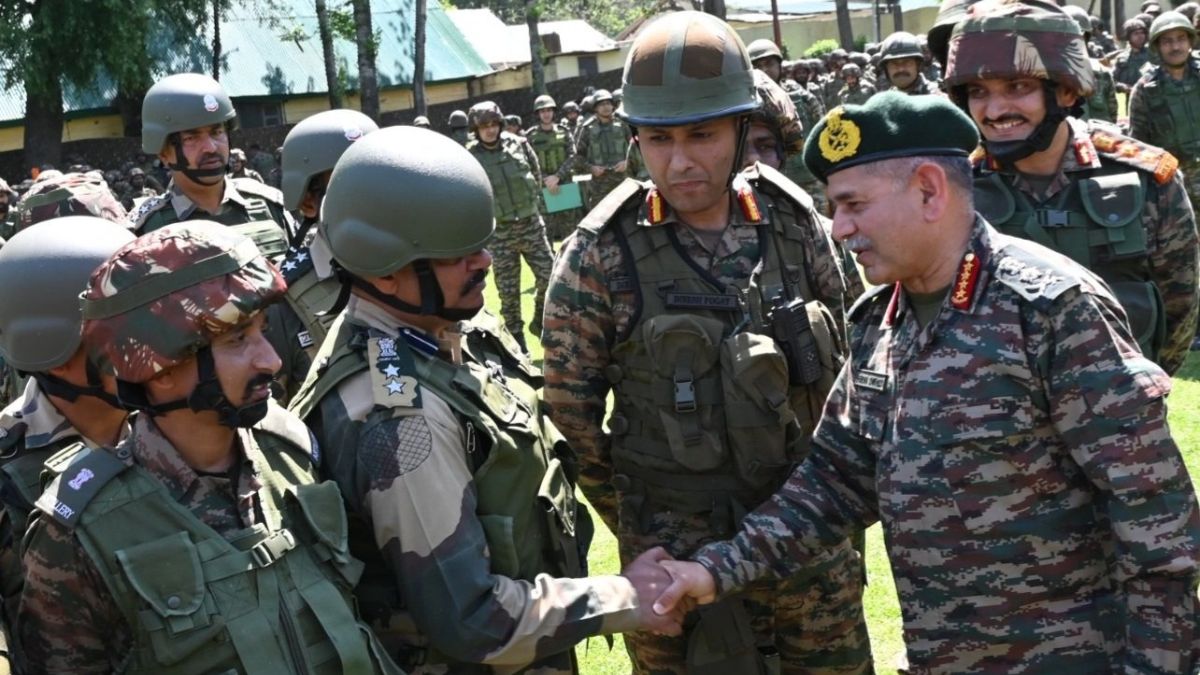
The review brought together the home minister, Govindas Konthoujam; the chief secretary, Rajeev Singh Thakur; the security advisor, Kuldiep Singh; and the director general of police, Mukesh Singh. The general officer commanding 3 Corps, Lieutenant General Girish Kalia, participated by video link, alongside representatives of the Assam Rifles, central armed police forces, Intelligence Bureau and state home department.
Fresh killings deepen the security crisis
The warning followed another outbreak of violence in which five Kuki men died in two separate incidents over the weekend. According to police statements, three were killed during an exchange of gunfire involving unidentified armed men in Noney district on October 31, while the bodies of two others who had gone missing were recovered in Kangpokpi district on November 1.
A Kuki tribal organization blamed Naga separatist groups for the killings, but that allegation was not established by the police statements cited in the report. The incidents added a further source of instability to a state already affected by prolonged violence between Meitei and Kuki-Zo communities.
Normal life in Kangpokpi remained disrupted on November 3 as a tribal organization continued its shutdown over what it described as the government’s failure to act against those responsible for killing the two youths. The continuing protest placed additional pressure on the administration to demonstrate progress in identifying and apprehending the perpetrators.
The latest deaths followed an October 19 attack on a group collecting firewood near the boundary between Imphal East and Kangpokpi districts, in which three Meitei civilians were killed. Singh subsequently directed officials to strengthen security in vulnerable areas, while legislators of the ruling alliance demanded the immediate arrest of those responsible.
Peace talks remain outside the identification exercise
The exclusion of groups engaged in peace talks comes against a backdrop of mounting demands to end the suspension of operations arrangement with Kuki-Zo armed organizations. Thousands joined an October 31 rally in Imphal, organized by the Coordinating Committee on Manipur Integrity, seeking Singh’s resignation, an end to the agreement and stronger protection for residents.
The tripartite arrangement, signed in August 2008 by the Centre, the Manipur government and Kuki-Zo militant groups, was intended to suspend hostilities and facilitate a negotiated settlement. Its conditions require cadres to refrain from violence, remain in designated camps and keep weapons under prescribed security arrangements.
Tuesday’s reported directive did not announce any change to that arrangement or explain how alleged violations by groups participating in negotiations would be addressed. The immediate exercise outlined by Singh instead concerned identifying other active armed groups suspected of involvement in recent attacks.
Proposed ban would require legal process
Although Singh referred to the state cabinet considering an unlawful designation, a declaration under the UAPA involves a separate statutory procedure. Section 3 of the legislation places the power to declare an association unlawful with the central government through a notification in
The cabinet’s consideration would therefore not, by itself, amount to a completed ban under that provision. The Union home ministry’s existing list of unlawful associations already includes several Manipur insurgent organizations, including the People’s Liberation Army and its political wing, the Revolutionary People’s Front, alongside other Meitei extremist groups.
The renewed violence comes more than three years after ethnic clashes erupted in May 2023, leaving a prolonged displacement crisis alongside the security emergency. According to figures Singh gave the assembly in September, reported by Scroll, at least 306 people had been killed and 49 remained missing; of approximately 60,000 people displaced, about 24,000 were still living in relief camps.
Demands for the safe and permanent return of displaced families have consequently remained central to public protests, alongside calls for accountability over fresh killings. Tuesday’s review set out a further investigative step, but the reported announcement contained neither findings identifying the groups responsible nor a timetable for a cabinet decision.