
Three years after October 7, Israel heads to polls with the attack and Netanyahu’s record on the ballot
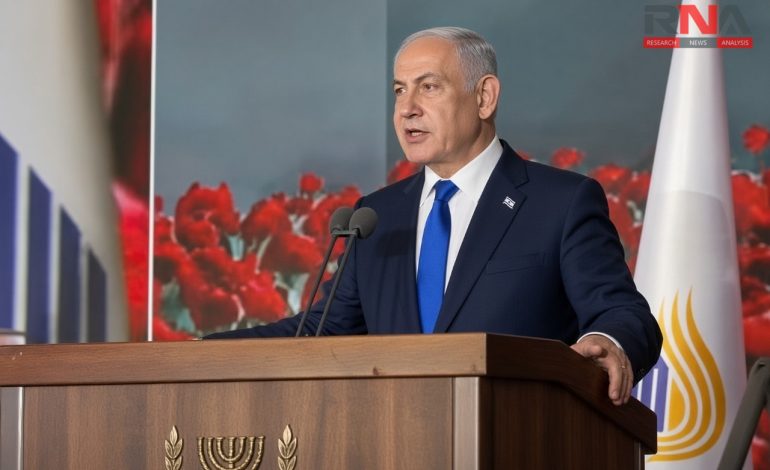
This digitally enhanced screenshot of a video posted on X shows Benjamin Netanyahu addressing a gathering marking the October 7 Hamas assault on Israel.

New Delhi: Israel marks the third anniversary of the October 7, 2023, attack with a general election less than three weeks away, the first since the assault. The vote on October 27 is widely seen as a referendum on the prime minister, Benjamin Netanyahu, his hard-right coalition and his handling of the attack and the wars that followed.
Hamas-led fighters crossed from Gaza on October 7, 2023, in what remains the deadliest single assault in Israel’s history. Israeli tallies put the death toll at about 1,200 people, with some 250 taken captive into Gaza. Israel’s military response has since killed more than 73,000 Palestinians, according to figures cited by Al Jazeera, and the conflict has widened to include Lebanon and Iran.
The question of responsibility sits at the centre of the campaign. Critics, including a former prime minister, Naftali Bennett, accuse Netanyahu of ignoring warnings about Hamas and of presiding over a security doctrine that assumed the group had been deterred. Netanyahu has in turn suggested that senior defence officials chose not to wake him when they noticed suspicious activity in Gaza, arguing that he would have put the military on alert had he been informed.
He also continues to resist demands for an independent inquiry into the failures before and during the attack. The stakes are personal as well as political, since he is on trial for corruption and a defeat could make it harder for him to avoid a custodial sentence.
Polling suggests his coalition faces a difficult contest. Surveys cited by Jewish Chronicle indicate that opposition parties could emerge as the largest bloc, although no clear alternative coalition has taken shape. A centrist party, Yashar, led by a former chief of staff of the Israel Defense Forces, Gadi Eisenkot, is running level with Netanyahu’s Likud, while a joint list of Bennett and another former prime minister, Yair Lapid, is also expected to win many seats.
The attack itself is shaping who stands for office. Survivors, bereaved parents and former hostages’ relatives are among the candidates, including Sharon Sharabi, who campaigned for the release of his two brothers, and a retired major general, Noam Tibon, who rallied former soldiers on the day. The Israel Democracy Institute has found that 68 per cent of Jewish Israelis still regard October 7 as a central factor in their vote.
Some Israeli analysts caution that the attack’s memory has been used selectively. A media scholar, Panievsky, told Al Jazeera and other outlets that Israeli coverage has revisited the events of that day far more than the consequences of the war in Gaza. A sociologist at Ben Gurion University, Lev Grinberg, argues that the attack was quickly framed as a new Holocaust, which made the military response appear unquestionably legitimate.
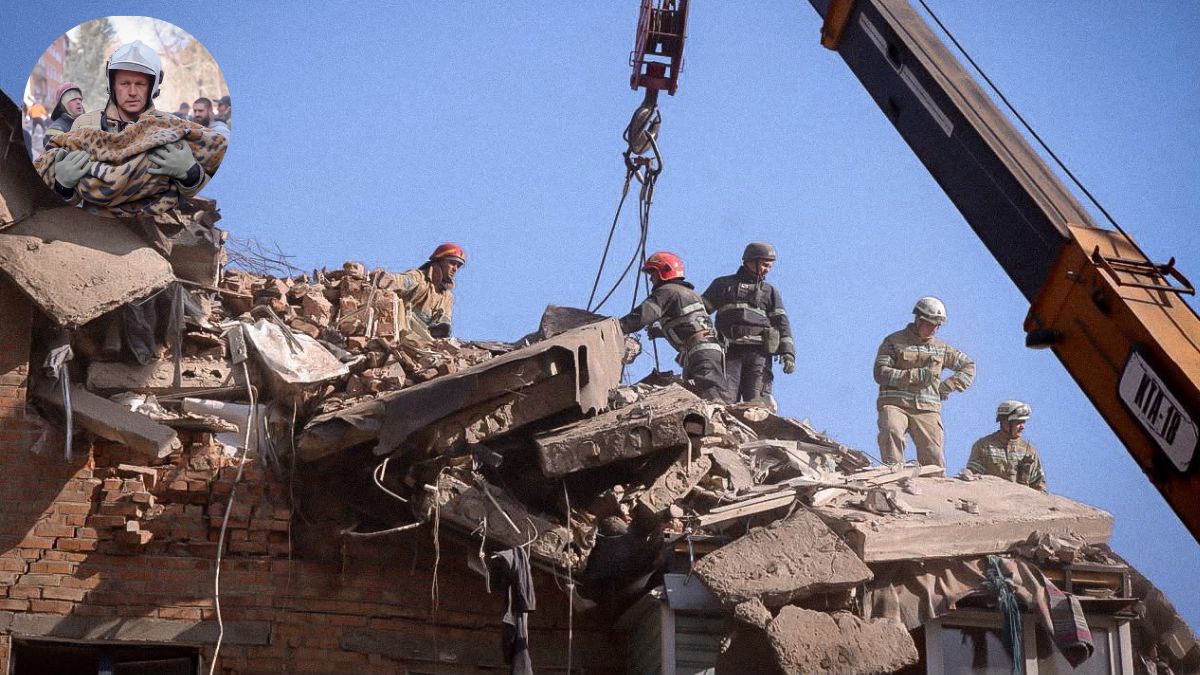
The events of the day itself are still being examined. Israeli press investigations and the military’s own inquiries have since indicated that Israeli forces fired on vehicles and, at kibbutz Be’eri, shelled a house where hostages were held, so that some of those killed died from Israeli fire. The scale of such deaths is disputed, and no official count has settled it.
The anniversary follows a year in which the war’s direction changed. The US president, Donald Trump, told the Knesset on October 13, 2025, that the “long and painful nightmare” was over after a US-backed ceasefire in Gaza, and Netanyahu vowed at the 2025 state memorial that Israel’s fight would continue “with full force”. Israeli commemorations have since followed the Hebrew calendar, so the official state ceremonies and the calendar anniversary do not always coincide.
For India, the outcome matters beyond Israeli politics. New Delhi condemned the October 7 attacks, has not proscribed Hamas under its anti-terror law, and maintains its longstanding support for a negotiated two-state solution with a sovereign, viable Palestine living alongside Israel. It also relies on Israel for defence technology and has cultivated closer strategic ties with Tel Aviv, so a change of government in Jerusalem could shape both the tone of regional diplomacy and the pace of defence cooperation.