

Sri Lanka Easter bombings trial: 15 convicted, nine acquitted seven years after attacks
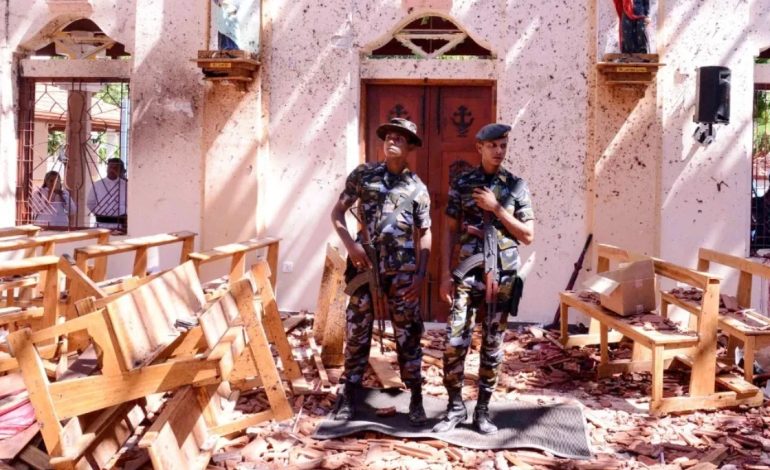
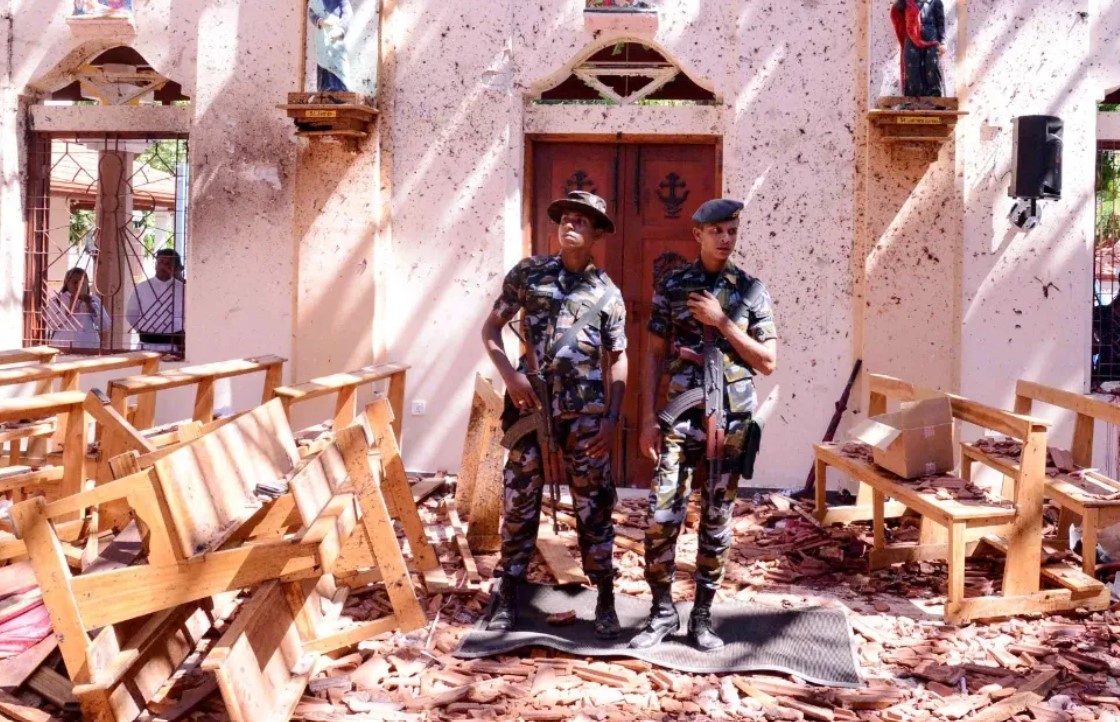
The bombings on April 21, 2019, struck three churches and three hotels, killing more than 260 people and injuring about 500. (Photo via X)

New Delhi: A Sri Lankan court on Tuesday convicted 15 men in the main criminal trial over the 2019 Easter Sunday bombings, delivering a major ruling more than seven years after the coordinated attacks on churches and hotels. The Colombo permanent high court trial-at-bar acquitted the remaining nine defendants and ordered their release, concluding proceedings involving 23,270 charges.
Sentences for those convicted were expected later in the day, according to Ada Derana’s report on the judgment. Police reinforced security at the Hulftsdorp court complex, deploying additional teams ahead of the defendants’ appearance for the verdict.
Among those convicted was Naufer Moulavi, whom prosecutors had identified as a leading figure behind the conspiracy. The proceedings concerned the alleged planning and support network behind the suicide bombings, with none of those believed to have carried out the attacks directly surviving.
The bombings on April 21, 2019, struck three churches and three hotels, killing more than 260 people and injuring about 500. Worshippers attending Easter services and guests at tourist hotels were among the victims of the Islamic State-inspired attacks, which also killed dozens of foreign nationals.
The prosecution brought the case under the country’s Prevention of Terrorism Act, with charges covering conspiracy, assistance to the attackers, murder and weapons offences. One of the 25 men originally indicted died in custody, leaving 24 defendants to face judgment.
The three-judge bench comprised Navaratne Marasinghe, Ramanathan Kannan and Sujeewa Nissanka. Hearings concluded on August 24 after proceedings lasting nearly five years, during which 2,309 witnesses testified for the prosecution.
The evidence included government analyst findings, DNA and medical reports, alongside more than 2,000 exhibits, including explosives, bomb-making chemicals, swords and firearms. The court also admitted 10 confessions recorded by police under the counterterrorism law, according to reporting on the proceedings by News 1st.
Moulavi had denied involvement when presenting his defence in August, rejecting the charges and challenging the circumstances in which investigators recorded his confession. He alleged that he had been assaulted in custody and that the statement was involuntary; these were claims advanced in his defence, rather than findings established by the court.
Earlier on July 31, as RNA Media had reported then, the same court sentenced the former inspector general of police, Pujith Jayasundara, and the former defence secretary, Hemasiri Fernando, to death for criminal negligence in failing to prevent the bombings despite advance intelligence warnings. That prosecution addressed the conduct of officials responsible for public security, while the latest verdict concerns those accused of involvement in the attack conspiracy.
The July ruling was delivered by a divided bench, with two judges supporting conviction and the third finding that the prosecution had not proved its case beyond reasonable doubt. Both officials had been acquitted in February 2022 without being required to present a defence, but the Supreme Court subsequently overturned that decision and directed the proceedings to continue.
The intelligence failures gave the case particular significance for India, whose agencies had warned Sri Lankan authorities about a possible suicide attack before the bombings. Court proceedings heard that an Indian warning was conveyed on April 4, 2019, while a parliamentary investigation found that repeated intelligence alerts had gone unheeded.
Separate compensation proceedings had already imposed personal financial liability on senior officials for failing to protect the public. In its January 2023 fundamental rights judgment, the Sri Lankan supreme court ordered Fernando to pay 50 million Sri Lankan rupees and Jayasundara 75 million rupees to compensate victims.
Sri Lanka retains capital punishment but has not carried out an execution since 1976, maintaining a longstanding unofficial moratorium. The July death sentences therefore did not signal imminent executions, while the punishment for the 15 men convicted in the latest proceedings remained a separate sentencing decision at the time of the initial verdict reports.