



Russian glide bombs kill one in Zaporizhzhia as Ukrainian drone strikes kill nine across border
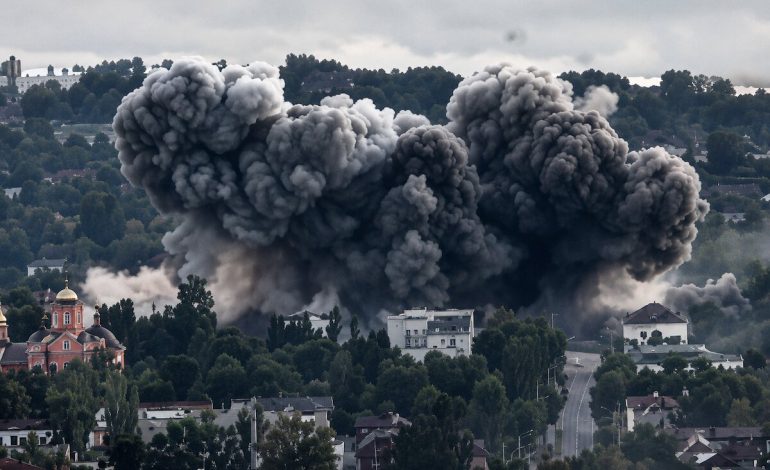
This digitally enhanced screenshot of a viral video on social media shows a Russian bomb striking Zaporizhzhia.

New Delhi: Russian warplanes dropped eight glide bombs on residential districts of the southern Ukrainian city of Zaporizhzhia over a span of 90 minutes on Sunday evening. The same 24-hour period saw the toll run the other way too, with Ukrainian drones and their debris killing nine people inside Russian-held territory.
The regional chief of Zaporizhzhia, Ivan Fedorov, said on Monday, that the strike killed a 71-year-old woman and wounded 31 others, including a 16-year-old girl. The bombs tore through 22 apartment buildings spread across four districts of the city, leaving residents to dig through rubble overnight.
Zaporizhzhia, a front-line city that has repeatedly come under glide-bomb fire since 2024, has developed few reliable ways to shelter against a weapon that strikes with almost no warning.
Nine killed on Russian side
The Ukrainian side of the ledger was heavier still. Debris from Ukrainian drones killed six people and wounded 40 others in Arkhipo-Osipovka, a small town on Russia’s Black Sea coast in the Krasnodar region, according to its governor, Veniamin Kondratyev.
A separate overnight Ukrainian attack on occupied Crimea killed three more people and wounded two others, Russia’s installed administrator on the peninsula, Sergei Aksyonov, said, though he gave no further detail. Together, the two incidents account for the nine deaths that made this a two-sided story rather than a one-sided bombardment. None of the casualty figures from either side could be independently verified, a pattern that has held through much of the war.
Glide bombs are Soviet-era munitions from the Cold War, retrofitted with satellite-guided kits that let Russian jets release them from well beyond the reach of Ukrainian air defences. Some variants carry a payload of up to 3,000 kilograms (6,600 pounds), enough to flatten a multi-storey building and gouge out craters several metres deep. Russia has relied on the weapon to batter Ukrainian towns and cities since its full-scale invasion began more than four years ago, precisely because Kyiv has no dependable countermeasure against it.
Zaporizhzhia sits in one of four Ukrainian regions – along with Donetsk, Kherson and Luhansk – that Russia illegally annexed in September 2022, despite never having secured full control of any of them. Russian forces hold the Zaporizhzhia nuclear power plant and stretches of the wider region, but the regional capital itself remains firmly in Ukrainian hands.
‘Need more Patriot batteries’
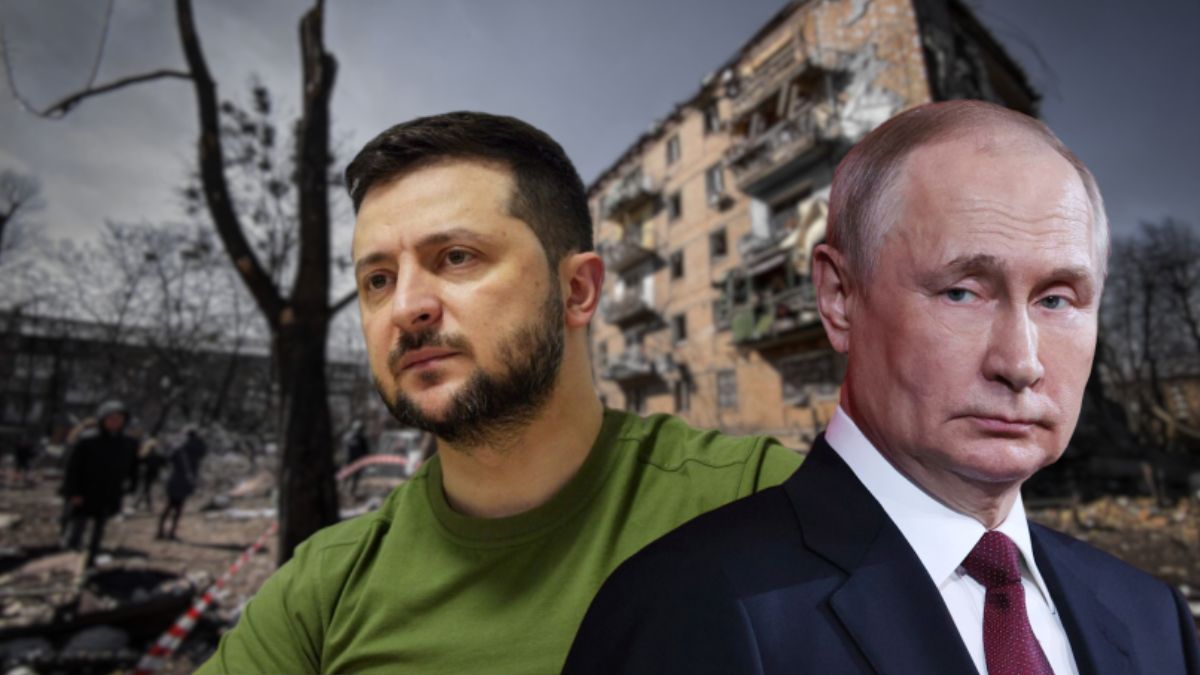
Ukraine’s president, Volodymyr Zelenskyy, used the aftermath of the strike to renew an urgent appeal to allied nations, asking them to send more American-made Patriot air-defence systems. Patriot batteries remain the only weapon in Ukraine’s arsenal capable of reliably intercepting Russian ballistic missiles, a category distinct from the glide bombs that struck Zaporizhzhia.
Supplies of Patriot interceptors have grown scarce worldwide since the war between the United States, Israel and Iran drew down American stockpiles earlier this year. Kyiv has warned repeatedly that it is now competing with the Middle East for a limited pool of interceptors even as Russian bombardments of its cities continue.
The US president, Donald Trump, appeared last week to step back from an earlier commitment to grant Ukraine a licence to manufacture Patriot interceptors domestically. He said on August Saturday, that no final decision had yet been made, leaving Kyiv’s push for self-sufficiency in limbo.
Zelenskyy has floated an alternative to Trump, under which the entrepreneur Elon Musk would allow Ukraine to use Starlink satellite data to help identify and target ballistic missile launch sites inside Russia. Neither side has confirmed whether that proposal is under active consideration.
Russia launched 181 long-range strike drones at Ukraine overnight between Saturday and Sunday, according to the Ukrainian air force, which said its air defences intercepted a significant share of them. Separately, a Russian strike on a warehouse in northeastern Ukraine destroyed roughly eight million books over the weekend, according to the publishing house that owned the stock, which described the strike as an assault on Ukrainian culture rather than a purely military target.
Taken together, the weekend’s events show a war that has settled into a grinding exchange of long-range strikes on both sides, with neither the glide bombs over Zaporizhzhia nor the drones over Krasnodar and Crimea likely to ease before winter, when Kyiv’s Patriot shortage is expected to bite hardest.