
Iran warns of strikes on US AI data centres in Gulf region if attacked again. How could Tehran hit $2 trillion in American assets?

RNA Media illustration for representation.

New Delhi: Iran has warned Israel and United States of any fresh attack against them could trigger a response far beyond the battlefield. Tehran has threatened to target American linked artificial intelligence facilities, data centres and undersea cable across the Persian Gulf. It has also signalled that Strait of Hormuz will remain under its control.
Iran’s secretary of supreme national security council, Major General Mohsen Rezaei, warned US in an interview with Press TV earlier this month. He said Iran had yet not designated these facilities as targets but warned that they could be destroyed if Washington attacked again.
Iranian Major General, described the infrastructure as a big part of America’s economic and military presence in West Asia. He also marked the value of all assets more than $2 trillion, warning that new conflict could bring consequences that the US may not have anticipated.
What could Iran target in fresh US-Israel strike?
The threat is significant because American technology company have built a strong presence across the Gulf. According to report, Amazon Web Services operates cloud regions in the UAE and Bahrain, while Microsoft has facilities in the UAE and Qatar. Google Cloud and Oracle also operate across the region, including Saudi Arabia and the UAE.
Billion of dollars are flowing into the region’s AI and data centre industry. As per report, Microsoft has announced major investments in UAE cloud and AI infrastructure, while Google and Saudi Arabia’s public investment fund have announced a $10 billion initiative to develop an AI hub. Any attack on these facilities could disrupt digital services, damage investments and affect businesses well beyond the Gulf.
Iran’s warning also includes, targeting Submarine fibre-optic cables passing through the Strait of Hormuz connect the Gulf to international internet networks. Any disruption could affect regional connectivity and cloud services, although the scale of the impact would depend on which cables or facilities were affected and whether alternative routes remained available.
If a fresh US-Israeli strike triggers the response Iran has warned of, Tehran could target American-linked AI facilities, data centres and other critical infrastructure across the Gulf. Such attacks could disrupt US technology investments and digital services while also putting pressure on the economies of countries providing infrastructure and resources that support the US and Israeli military strikes against Iran.
Iran’s defence minister and Army chief warn of wider retaliation
Iran’s top defence and military officials have also warned of a wider response if the United States launches another attack. Iran’s defence minister, Major General Mehrdad Akhlaghi Ketabchi, said Tehran had taken steps to prepare for possible US military action. “If the American enemy makes another miscalculation, the response of the valiant Iranian people and the fighters of Islam will be surprising and extensive,” Akhlaghi said, as RNA Media had reported.
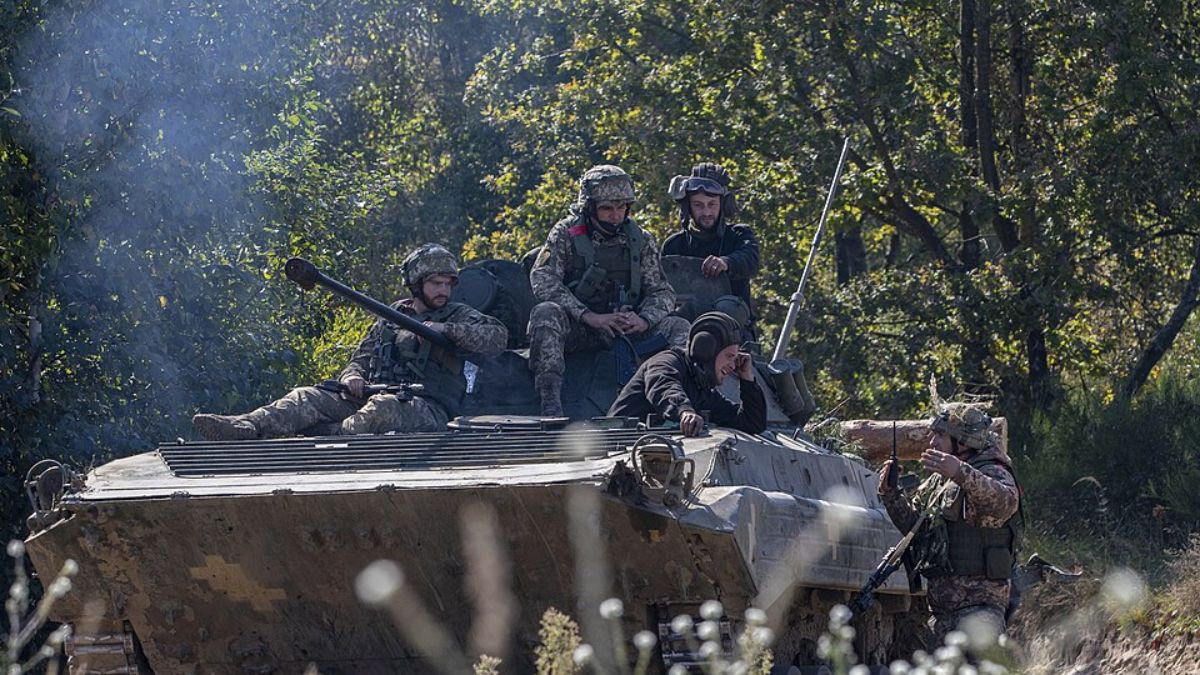
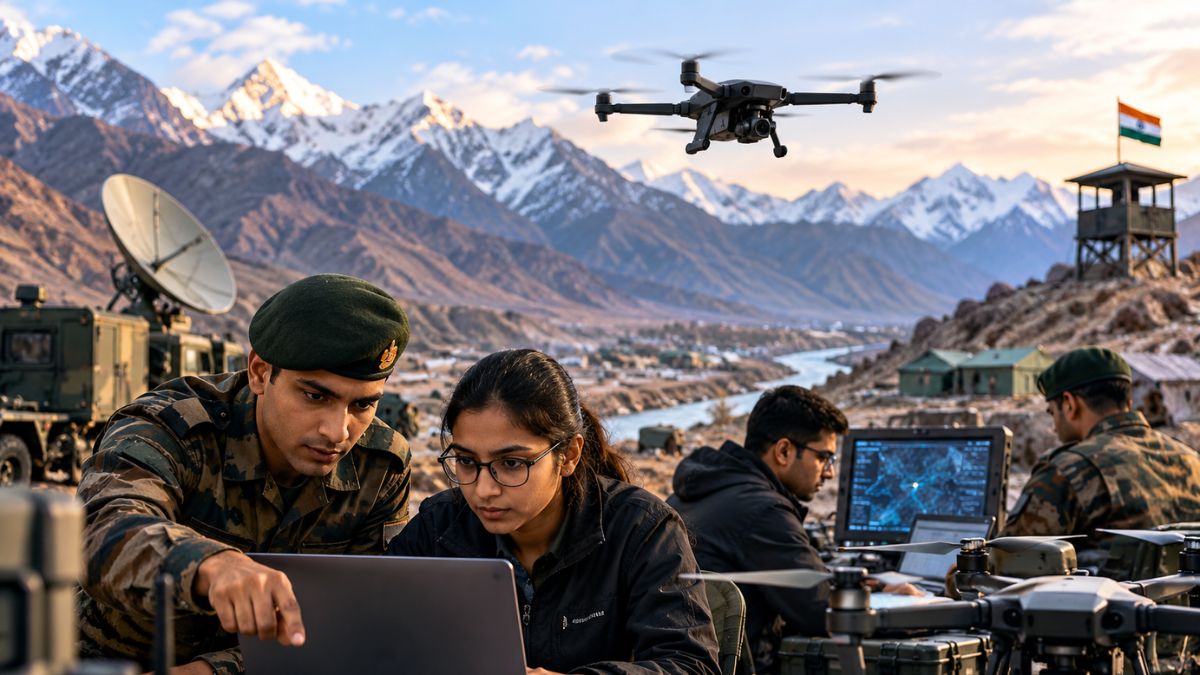
Iranian Army chief commander, Major General Amir Hatami, has separately said the Army has strengthened its drone capabilities and prepared for asymmetric warfare. During a visit to a drone production facility on Thursday, he reviewed the force’s drone production, maintenance and operational capabilities, IRNA reported.
Iranian Army chief also warned that enemy vessels entering areas under Iran’s naval watch east of the Strait of Hormuz would be targeted. He said Iran had used naval mines and automated control systems to enforce its announced rules governing passage through the strait and nearby waters.
In an interview with Drop Site, Rezaei described management of the strait as a national asset. He said Iran preferred diplomacy but would not give up its leverage without guarantees that the other side would honour its commitments.
Rezaei said Iran had presented seven new conditions through intermediaries. He added that Tehran would not reopen the strait or return to negotiations until those conditions were met.
US and Israel weigh possible fresh strikes
Iran’s warning have attracted spotlight after reports emerged of possible renewed US and Israeli military action. As RNA Media earlier reported, the US and Israel are planning for renewed strike against Iran after election in both countries.
The reported preparations come ahead of Israel’s October 27 election and the US midterm elections on November 3. The reports also said that a US military build-up could be in place by early November, involving aircraft carriers, Marines, fighter jets and special operations forces.
One potential target mentioned in reports is Pickaxe Mountain, where nuclear-related facilities are believed to be buried deep underground. However, the reported planning does not establish that a new attack has been authorized.
Washington wants Tehran to make concessions on its nuclear programme and the Strait of Hormuz. Iran, meanwhile, has resisted key US demands and sought to postpone discussions on the nuclear issue.
However, there is no publicly confirmed decision to launch fresh strikes after the elections. The US president, Donald Trump, has repeatedly delayed or rejected proposals for major combat operations against Iran. Reports have suggested that he does not want to restart the conflict before the US midterm elections, although the possibility of military action has not been entirely ruled out.
The Israeli prime minister, Benjamin Netanyahu, has also denied a report that Trump stopped Israel from carrying out planned strikes earlier this month. Netanyahu called the report incorrect but declined to disclose details of his conversations with Trump.