
Iran prepares wider retaliation against US and allies as peace talks struggle
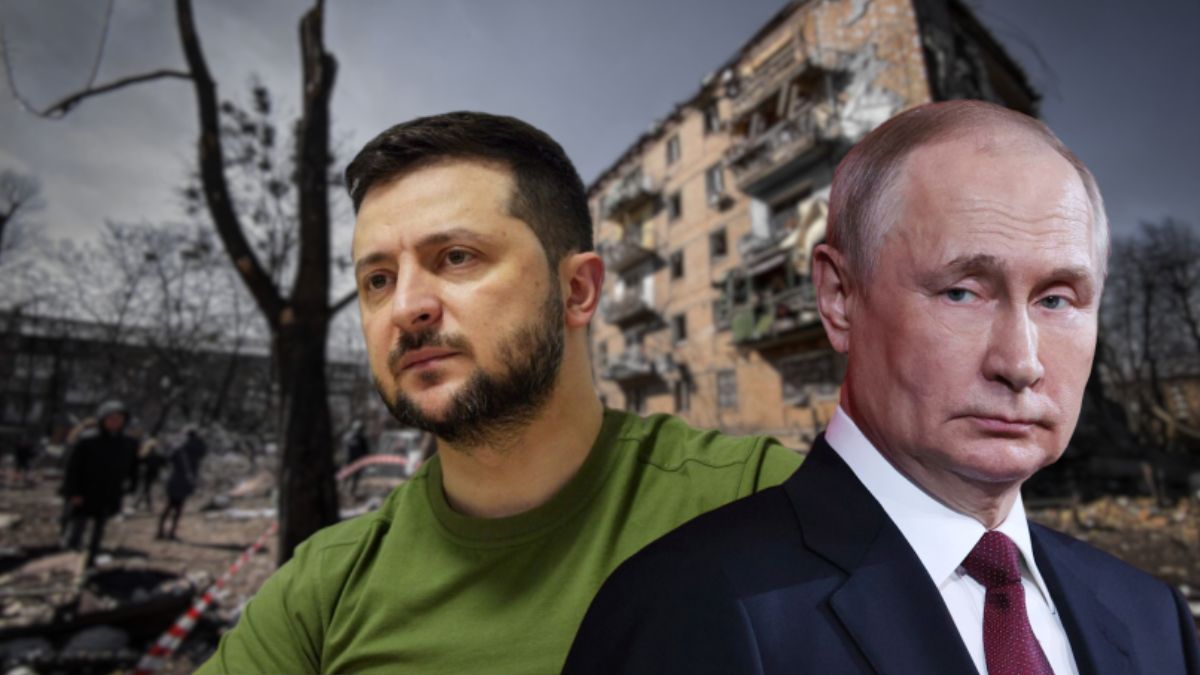
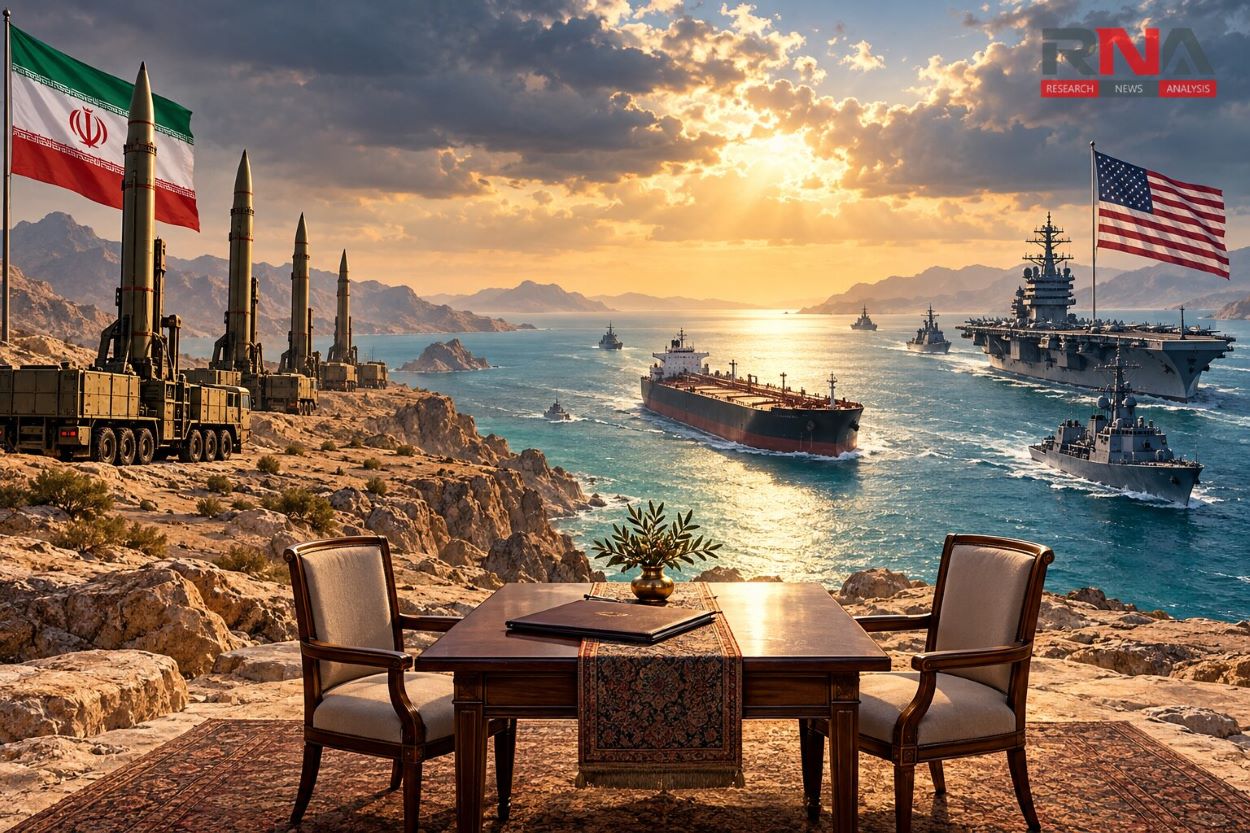
RNA Media illustration for representation.

New Delhi: Iran is preparing a more extensive military response if the United States launches another large-scale attack, with senior commanders considering targets in countries supporting American operations and potentially beyond the Middle East. The contingency planning comes as Tehran continues indirect diplomacy through Qatar, although Iranian officials privately doubt that negotiations will produce an agreement.
According to a Reuters investigation, three senior Iranian officials and an insider familiar with the discussions described deliberations over the reach and timing of possible retaliation. No final decision has been taken, and Iran’s foreign ministry did not immediately respond to the news agency’s request for comment.
Two officials said Iran-aligned armed groups in Lebanon, Yemen and Iraq had been instructed to prepare to support Tehran if Washington renewed major attacks. Their accounts suggest that Iranian planners are considering coordinated pressure across several fronts rather than confining their response to American military facilities near Iran.
The preparations follow a conflict that began with US-Israeli attacks on February 28 and continued through intermittent fighting after an April 8 ceasefire ended the initial 40-day campaign. Hamidreza Azizi, an analyst at the International Crisis Group, told Reuters that Tehran appeared intent on restoring deterrence through escalation, even if Washington opted for a limited strike.
Washington is meanwhile reinforcing its military presence, creating additional options for the US president, Donald Trump, if diplomacy fails. The Financial Times reported that about 9,000 personnel and seven warships were heading to the Middle East, including the USS Theodore Roosevelt aircraft carrier and the USS Makin Island amphibious ready group.
The deployments could strengthen an already substantial American presence, although their arrival does not establish that a new offensive has been ordered. The Financial Times said Trump had indicated that strikes could resume after the November midterm elections if negotiations failed, making the buildup significant for both military planning and diplomatic pressure.
Despite the threats, the negotiating channel remains open around an Iranian proposal to reopen the Strait of Hormuz within seven days. The arrangement would require Washington to lift its naval blockade, waive oil sanctions and accept a ceasefire extending to Lebanon, with nuclear negotiations beginning on the seventh day.
The proposal resembles an earlier June arrangement that subsequently collapsed, leaving both sides distrustful of another phased settlement. Its central difficulty is the order of concessions: Iran seeks relief from military and economic pressure before nuclear negotiations, while Washington wants an agreement addressing the nuclear dispute.
Trump publicly rejected Tehran’s latest offer, but that response did not end the exchange of messages. Reuters reported on Wednesday that the Iranian foreign minister, Abbas Araqchi, had received American feedback through Qatari mediators in Doha, with discussions focusing on the sequencing of the proposed steps.
The economic consequences already extend well beyond the countries directly involved, with shipping insecurity adding to pressure on fuel supplies. In a separate energy-market report, Reuters cited maritime intelligence service Marisks as saying that three Liberian-flagged tankers were struck by unidentified projectiles while transiting Hormuz on September 29; responsibility was not established.
The scale of the exposure is considerable: before the present war, Hormuz carried roughly one-fifth of global petroleum liquids consumption, according to the US Energy Information Administration. China, India, Japan and South Korea together received 74 per cent of the crude oil and condensate passing through the strait in the first half of 2025, underscoring the stakes for Asian economies.
Pressure on the southern Red Sea adds another vulnerability because rerouting exports away from Hormuz does not necessarily remove the danger to onward shipping. The EIA’s August assessment recorded Saudi Arabia’s diversion of crude through its East-West Crude Pipeline (Petroline) to Yanbu, while noting threats to vessels transporting Saudi oil through Bab al-Mandab.
Inside Iran, the confrontation is accompanied by intensified repression, according to human rights organizations. Amnesty International reported in May that more than 6,000 people had been arbitrarily arrested since the war began, accusing the authorities of using wartime conditions to accelerate unfair proceedings, political executions and restrictions on dissent.
For the mediators, the immediate challenge is to secure reciprocal steps before military preparations overtake negotiations. The continuing exchange through Qatar leaves an opening, but the disagreement over which side must surrender leverage first remains a substantial obstacle to reopening shipping routes and reaching a durable settlement.