‘If Mecca is attacked …’: Pakistan says Makkah pact applies after drone incident; Iran warns against blame
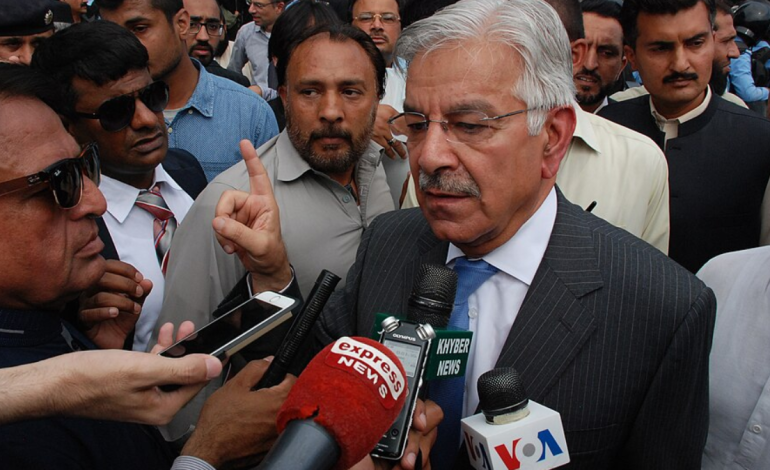
The Pakistan defence minister, Khawaja Asif. (Image courtesy: Wikimedia)

New Delhi: Pakistan has signalled that its recently signed Makkah Defence Alliance with Saudi Arabia and Turkiye could move from a political commitment towards implementation after Saudi Arabia intercepted a drone south of Mecca. The defence minister, Khawaja Asif, said Islamabad was bound by the pact and would fulfil its obligations, while keeping any details of a possible military response confidential.
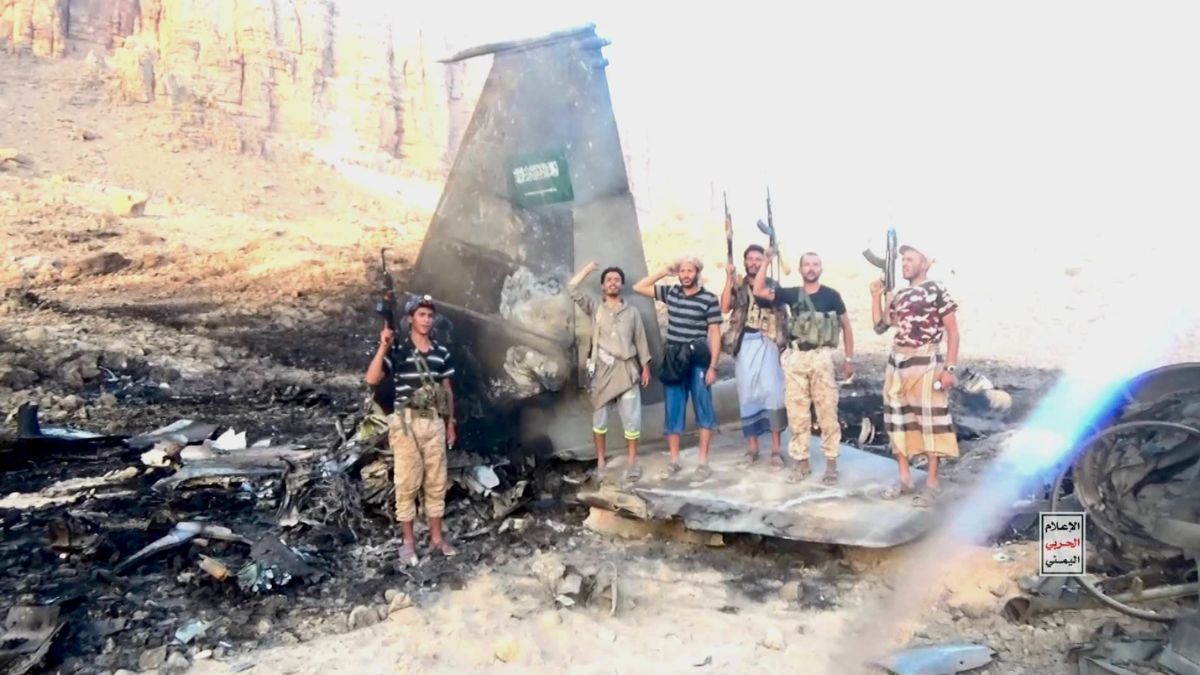
The remarks come as tensions involving Saudi Arabia and Yemen’s Houthi movement spread into a wider regional security crisis, with Riyadh saying its air defences destroyed a drone before it entered restricted airspace over Mecca. The Houthis, however, have denied targeting the holy city and said their operations are directed at Saudi military and economic targets.
Speaking on Geo News programme Aaj Shahzeb Khanzada Kay Sath, Asif said the Makkah agreement applies to us” and that Pakistan would fulfil its duty. He said the pact provided for mutual defence if the territorial integrity or geographical boundaries of any of its other partner country were violated, adding that there was “absolutely no ambiguity” over its application.
Asif also stressed that Pakistan’s responsibility towards Mecca and other holy sites did not depend solely on the agreement. He said Islamabad would not need a pact to act if the holy city itself came under attack, while refusing to discuss operational details of any military response.
The Pakistani position was followed by a warning from Iran against assigning responsibility for the incident without sufficient evidence. In a statement translated from Arabic, Iran’s foreign ministry spokesman said any aggression against Islamic holy sites should be condemned but argued that the reported interception of a drone near Mecca alone could not be used to accuse a specific party, particularly after the Yemeni side denied targeting the holy city.
Iran also warned against turning the security of Islamic holy sites into a tool for further regional escalation. Tehran called for caution over allegations surrounding the incident and said the issue should not be politicized in a way that could deepen tensions between countries in the region.
The exchange comes after Saudi Arabia said its air defences intercepted and destroyed the drone south of Mecca before it could enter the city’s prohibited airspace. Saudi authorities described the incident as a serious security threat, while Houthi officials rejected the allegation that the group had attempted to target Makkah.
Pakistan seeks to prevent wider regional escalation
The Pakistan prime minister, Shehbaz Sharif, has separately reaffirmed Pakistan’s support for Saudi Arabia, saying Islamabad stood “shoulder to shoulder” with Riyadh in defending its sovereignty and the security of the two holy mosques. He also urged all sides to exercise maximum restraint, warning that the region could not afford another round of escalation.
Asif also said Pakistan had conveyed a Saudi message to Iran amid concerns over the Houthi attacks. He said he did not expect Iran, as a state, to deliberately open another front in the region, while distinguishing between the Iranian government and non-state groups that could act independently.
The minister said Pakistan would continue diplomatic efforts to prevent the conflict from expanding into additional theatres. He also suggested that regional states could increasingly look towards security arrangements of their own as they confront threats from armed non-state groups.
Hormuz, Bab al-Mandab emerge as key concerns
Beyond the immediate Mecca incident, Asif pointed to the growing disruption of strategic maritime routes, particularly the Strait of Hormuz and Bab al-Mandab. He said continued instability around these waterways could have a direct impact on Pakistan’s economy by disrupting trade and increasing pressure on regional supply routes.
Pakistan’s concern comes as the conflict increasingly extends beyond land-based fighting to the security of shipping and energy corridors. The Bab al-Mandab, in particular, links the Red Sea with the Gulf of Aden and remains strategically important for international maritime trade.