
From sea lanes to household bills: India flags maritime insecurity at Manama Dialogue
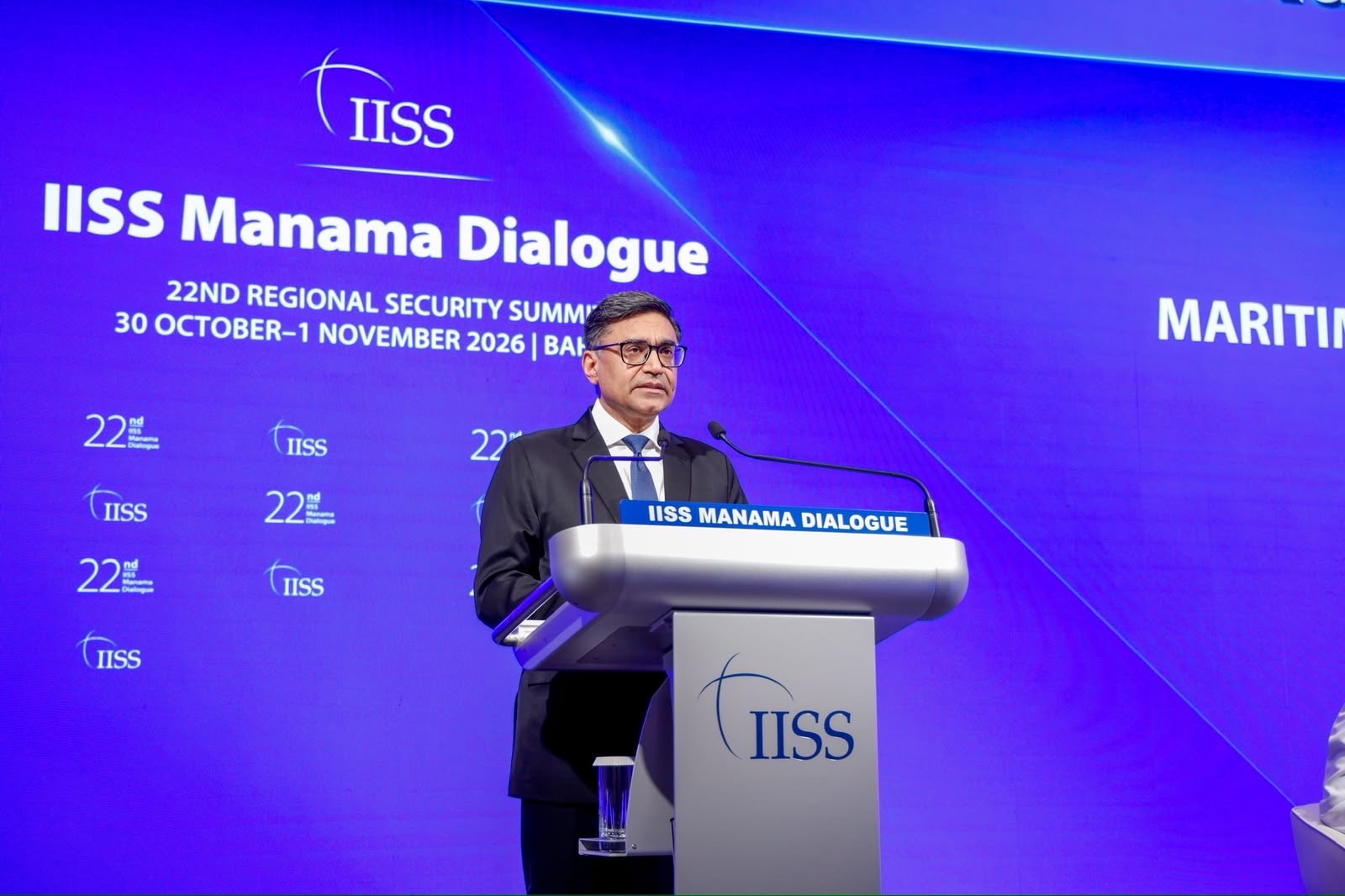
Vikram Misri during his address at the IISS Manama Dialogue, on November 1, 2026. (Photo: MEA)

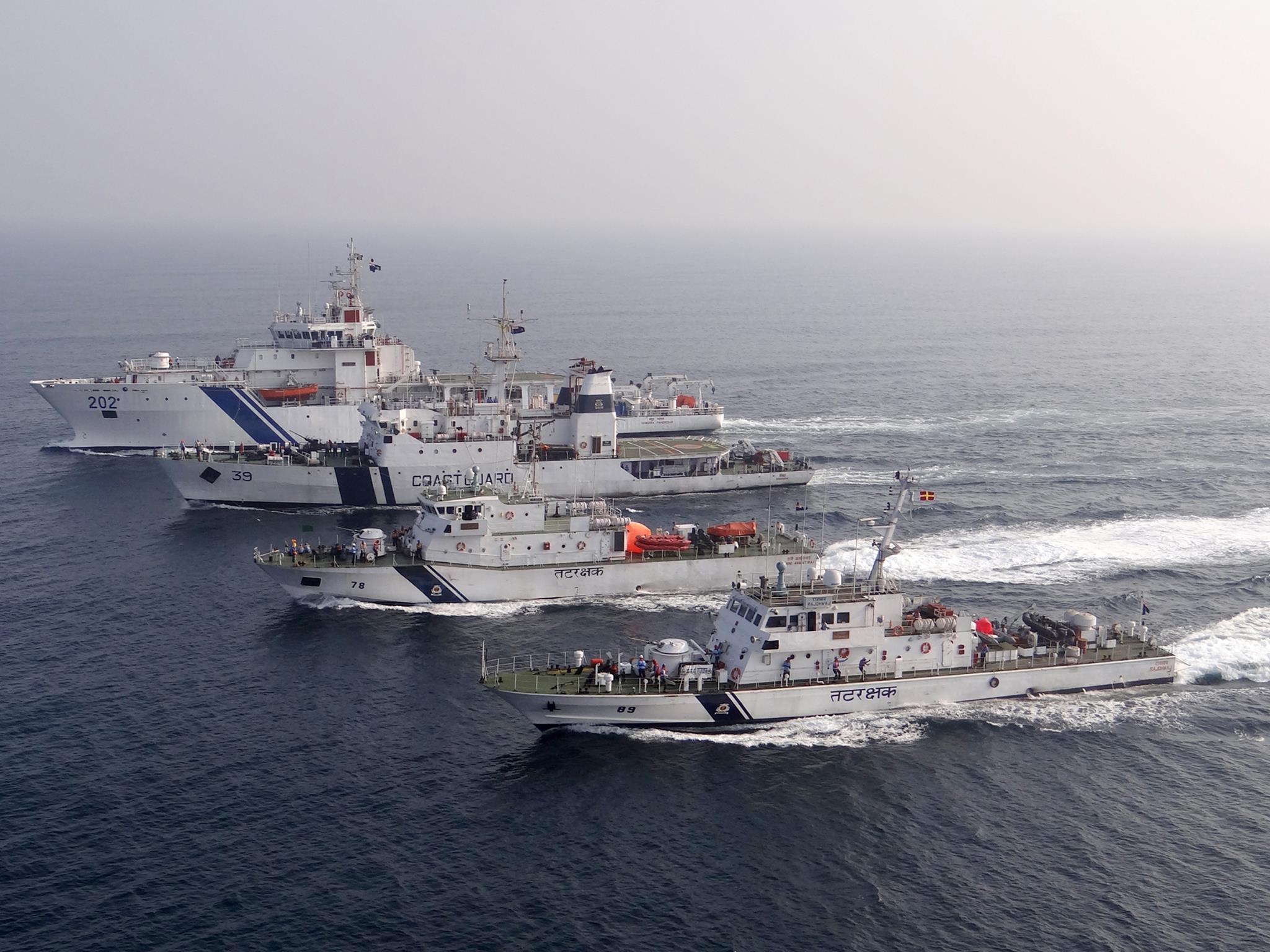
New Delhi: India warned on Sunday that insecurity at sea was driving up costs for ordinary households and exposing civilian seafarers to danger and called for cooperation and diplomatic solutions to protect maritime trade. The foreign secretary, Vikram Misri, outlined New Delhi’s position at the 22nd IISS Manama Dialogue in Bahrain, where shipping security featured prominently in discussions on regional stability.
Misri addressed the fifth plenary session, “Maritime Security at an Inflection Point”, on the concluding day of the three-day summit, held from October 30 to November 1, 2026. The Ministry of External Affairs confirmed his participation in its social media announcement, saying he shared India’s perspective at the gathering of ministers and senior international dignitaries.
In the session, Misri linked maritime disruption to higher fuel, electricity, transport and fertilizer costs, particularly for developing economies. He emphasized India’s exposure through its energy purchases, trade and the millions of Indians living in West Asia.
His remarks challenged the assumption that major commercial passages would remain reliably open during political tensions, citing developments around the Red Sea and Gulf of Aden. He also highlighted the vulnerability of merchant crews to attacks, detention, abandonment and loss of life.
Misri argued that disagreements between countries should not burden those outside the dispute, and that the United Nations Convention on the Law of the Sea must be upheld. Naval strength and maritime policing, he said, could not substitute for political settlements reached through dialogue and diplomacy.
The session brought together representatives of countries with substantial interests in the security of international shipping. Alongside Misri, the programme listed Saudi Arabia’s deputy chief of the general staff, Vice Admiral Fahd bin Abdullah Al Ghufaili; Singapore’s senior minister of state for defence, Zaqy Mohamad; and the joint commander of French forces in the Indian Ocean, Rear Admiral Yannick Bossu, with the IISS director general and chief executive, Bastian Giegerich, chairing the discussion.
India’s intervention also set out an approach based on sharing information, strengthening capabilities and coordinating operations, while keeping maritime cooperation inclusive. Misri placed these efforts within India’s Sagar and Mahasagar initiatives, the Indo-Pacific Oceans Initiative and its leadership of the Indian Ocean Rim Association.
India holds the association’s chairmanship for 2025–27, giving New Delhi an additional platform to advance cooperation across the Indian Ocean. Maritime safety and security are among the grouping’s established priorities, alongside its wider work on regional economic cooperation and sustainable development.
The concern for civilian crews follows a separate Indian diplomatic initiative launched with Liberia on September 25 on the sidelines of the United Nations general assembly in New York. The Group of Friends on Safety and Security of Shipping and Seafarers brought together about 25 countries, including major ship-owning nations, flag registries and suppliers of maritime personnel, according to the Indian embassy in Monrovia.
In an October 8 joint statement, India and Liberia condemned attacks on commercial vessels and seafarers in the Gulf and its vicinity, and in the Black Sea. They called for an immediate end to such attacks and offered to support greater coordination to prevent their recurrence and safeguard seafarers’ rights.
Other speakers at Manama similarly focused on the international consequences of insecurity around strategic waterways. In his published address, Zaqy cautioned that the continued movement of goods should not be mistaken for evidence that maritime commerce was secure: longer routes, greater risks and rising costs could conceal serious weaknesses in the system.
He urged countries to uphold international law, including transit passage through strategic straits, and deepen practical cooperation before crises occurred. His proposals covered timely threat-information sharing, the ability to coordinate responses and protection of underwater infrastructure, extending the discussion beyond attacks on surface vessels.
Al Ghufaili also called for collective responsibility in protecting maritime corridors, warning against using international straits to exert political or military pressure, Arab News reported. His intervention reinforced the session’s emphasis on the cross-border consequences of threats to navigation through Hormuz and Bab al-Mandab.
Organized by the International Institute for Strategic Studies, the Manama Dialogue has brought political, diplomatic and security leaders to Bahrain annually since 2004. This year’s maritime discussion connected the immediate task of protecting ships and crews with a broader concern for India and other trading economies: preserving dependable access to sea routes on which energy supplies, commerce and livelihoods rely.