


India’s indigenous AIP system advances towards Kalvari-class submarine integration in 2027
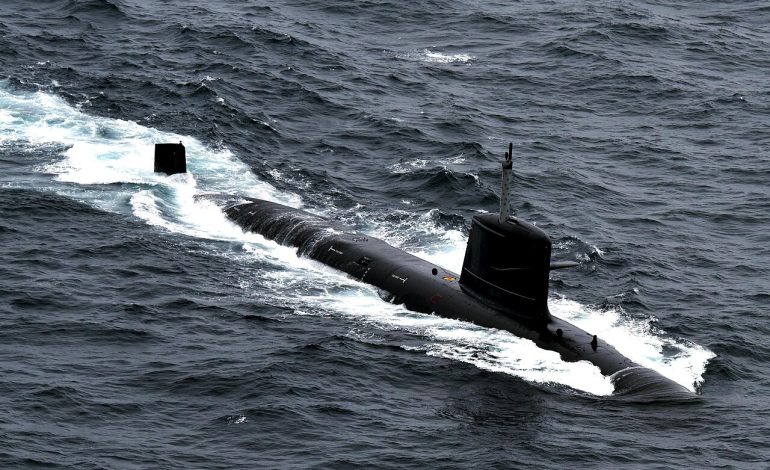
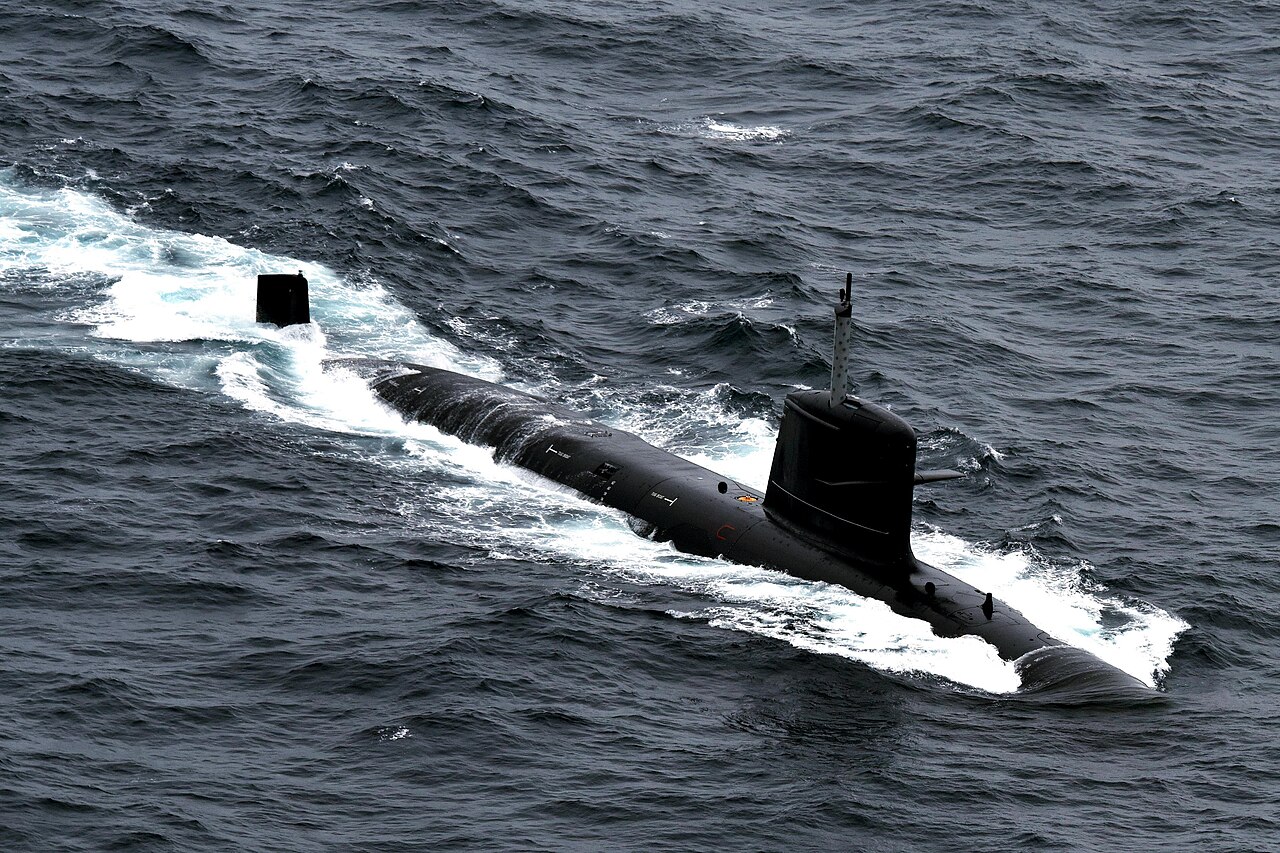
Sources in the defence establishment said INS Khanderi, the second Kalvari-class submarine, is the most likely first recipient of the indigenous AIP system.

New Delhi: India’s indigenous air-independent propulsion (AIP) system has entered a new stage of preparation for power-generation trials, bringing a planned endurance upgrade for the Indian Navy’s diesel-electric submarines closer to integration. Its energy module will undergo testing under Navy protocols before being handed over to Mazagon Dock Shipbuilders Limited (MDL) for integration into a Kalvari-class submarine in early 2027, according to the defence ministry.
The second phase of “setting to work” activities was inaugurated at Larsen & Toubro’s AM Naik Heavy Engineering Complex in Hazira, Gujarat, on Saturday. Developed by the Defence Research and Development Organisation’s (DRDO) Naval Materials Research Laboratory, the system is intended to extend the time conventional submarines can remain submerged by reducing their dependence on atmospheric oxygen.
The Indian design uses fuel cells to generate electricity underwater, supplementing the submarine’s batteries. DRDO’s technical account describes a system in which hydrogen and oxygen feed phosphoric acid fuel cells, producing electrical power, heat and water.
An important feature is its ability to generate hydrogen onboard as required, avoiding the need to carry a separate store of hydrogen. L&T, the programme’s principal industry partner, signed a contract with DRDO in June 2023 to manufacture two AIP modules for the Kalvari class.
The defence secretary, Rajesh Kumar Singh, who also holds charge as DRDO chairman and secretary of the department of defence research and development, participated in the inauguration virtually. He called for meeting the Navy’s induction schedule while maintaining stringent safety standards for hydrogen and fuel-cell systems.
The Navy’s chief of materiel, Vice Admiral B Sivakumar, and DRDO’s director general for naval systems and materials, R Balamuralikrishnan, attended the event at Hazira. The next step is to energize the module and establish its performance through the prescribed tests before shipboard integration.
The programme builds on successful endurance and maximum-power trials of a land-based prototype in 2021. Those trials demonstrated the underlying technology, while the current work advances the equipment intended for installation aboard a submarine.
Integrating the system also requires changes to the submarine itself, alongside validation of the power-generation equipment. In January 2023, DRDO and France’s Naval Group signed an agreement covering detailed integration design work, with the French company responsible for certifying the AIP design for installation in the Kalvari-class submarines.
The defence ministry subsequently awarded MDL a contract worth approximately ₹1,990 crore on December 30, 2024, to construct the additional submarine section, known as an AIP plug, and integrate the DRDO-developed system. Naval Group’s 2025 annual report said the maturity of the integration design had enabled construction work to begin at MDL with its support.