
Peskov Says Russia Is Not Chasing De-Dollarization, Defends BRICS as Inclusive Bloc Ahead of Summit
Peskov Says Russia Is Not Chasing De-Dollarization

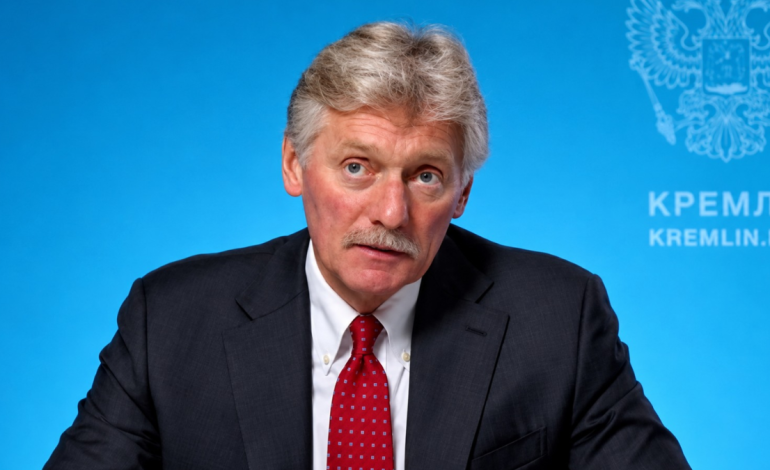
New Delhi: Kremlin spokesman Dmitry Peskov held a special online media briefing with Indian journalists. During the interaction, he addressed Russia’s shifting currency practices, pushed back on characterizations of BRICS as an anti-western bloc, praised India’s role in the grouping, touched on the Ukraine conflict, and criticized new sanctions targeting countries that trade with Russia and Iran.
The briefing comes just days ahead of the BRICS summit, which is expected to be attended by the Russian president, Vladimir Putin, along with other heads of state from member countries, as the bloc continues to expand its economic and diplomatic footprint on the global stage.
Speaking on de-dollarization, Peskov revealed that Russia has reached a striking milestone in its trade with fellow BRICS nations: roughly 90 per cent of all payments and transactions with BRICS countries are now conducted in national currencies rather than the US dollar.
He was careful to frame this shift not as a deliberate campaign against the dollar. “It’s very important. It’s not because we are aiming for de-dollarization, for getting rid of US dollars. No, to the contrary,” he said.
According to Peskov, Russia remains open to any acceptable method of payment. The pivot toward national currencies, he argued, was forced upon Moscow by countries that have weaponized their own currencies as instruments of political pressure through sanctions. His logic was straightforward: if Russia is barred from using foreign currencies, it will simply rely on its own – and on those of its partners.
He said this arrangement has proven mutually beneficial, reiterating that more than 90 percent of Russian payments within BRICS now run through national currencies rather than the dollar or euro.
Peskov contended that the dollar’s status as the world’s reserve currency was compromised not by Russia’s actions but by Washington’s own decision to cut Russia off from it. “And the United States has taken a decision to deprive us of the right to use this reserve currency. What should we do? We should tell ourselves, why don’t we use our own money?” he said, adding that in some respects, using national currencies may even be preferable to relying on the dollar.
He insisted Russia harbours no anti-dollar agenda and is not pursuing a formal de-dollarization policy – it is simply acting in its own national interest. Turning the argument back on Washington, he suggested that the United States itself is undermining confidence in its own currency. “So, America is ruining trust in US dollar. And the more trust is ruined, the more trust is going in favour of national currencies,” he said, describing this as a natural and ongoing process, with every country acting according to what best serves its own interests.
BRICS is not anti-west
Peskov firmly rejected the notion that BRICS exists in opposition to the west, aligning himself explicitly with India’s position on the matter. “Number one, we join India in not agreeing with those who say that Brics are against some western countries. Brics are for Brics members,” he said.
He argued that BRICS exists for countries that share its ideology and is not positioned against any third party – a feature he described as unique to the bloc. Those who insist otherwise, he said, are simply mistaken. “And then those who keep saying that Brics is an antipode of the countries, they are doing a great mistake. They are doing a great mistake,” he said, repeating the phrase for emphasis.
Peskov credited India with investing heavily in its BRICS presidency, noting that the bloc’s underlying philosophy aligns closely with the broader vision of a multipolar world. He described Brics cooperation as resting on “mutual trust, mutual respect, and mutual benefit in trade” – principles he said form a solid foundation for a multipolar global order.
He characterized the existing unipolar system as being in decline, losing competitiveness even as it takes increasingly harsh measures in an attempt to cling to power – steps he said are damaging the global economy, environment, politics, and the international legal system. In contrast, he described what he called the “global majority,” largely represented within BRICS, as seeking a different kind of order: one where every country stands as an equal, has a voice, competes fairly in trade, and is shielded from illegal sanctions or coercion.
Within this framework, Peskov singled out India for particular praise, calling it the world’s most populous nation and its largest democracy, and describing it as a vital player within the global majority. He said Russia values India’s contributions to that broader movement and expects the partnership between the two countries to continue within BRICS and beyond.
On Ukraine
Peskov noted that Russia is broadly aligned with India’s stance on the Ukraine conflict, which favours a peaceful resolution. He reiterated Moscow’s long-standing position that Russia did not initiate the war and is instead trying to bring an existing conflict to a close, expressing a preference for achieving that through peaceful means.
He welcomed international efforts to help resolve the conflict, singling out both India and the United States. “We welcome the willingness of Indian side to contribute. We welcome the efforts of American president, Trump,” Peskov said, adding that American negotiators have been shuttling extensively between Moscow and Kyiv to relay each side’s positions, and that Russia hopes for a resumption of three-way talks involving Russia, Ukraine, and the United States.
However, he expressed scepticism about Kyiv’s willingness to end the fighting, suggesting that European countries pushing for Russia’s “strategic defeat” continue to encourage Ukraine to prolong the conflict – an outcome he vowed Russia would not allow.
Addressing a Russia-Iran sanctions bill, Peskov criticized what he described as a contradictory approach from Washington – engaging with Russia diplomatically while simultaneously sanctioning countries that maintain trade ties with it. He characterized such measures as violations of international law, calling any attempt to restrict international trade or pressure third parties out of doing business with Russia “illegal, unfair, and unacceptable”.