


Isro to hand rocket manufacturing to private industry. What does that mean for India’s space programme?
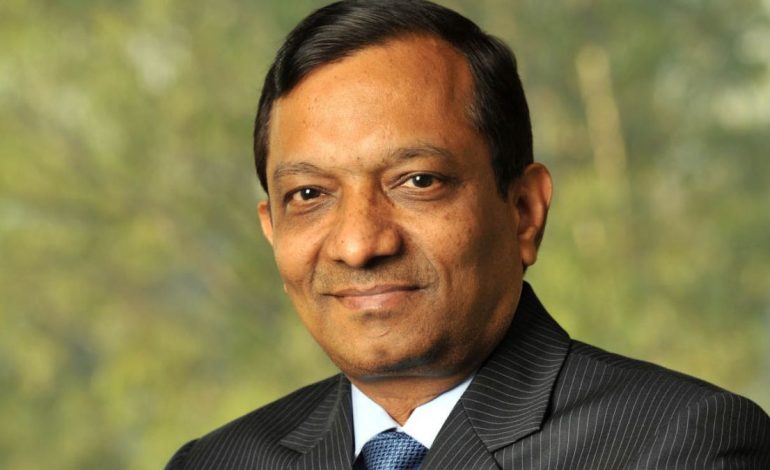
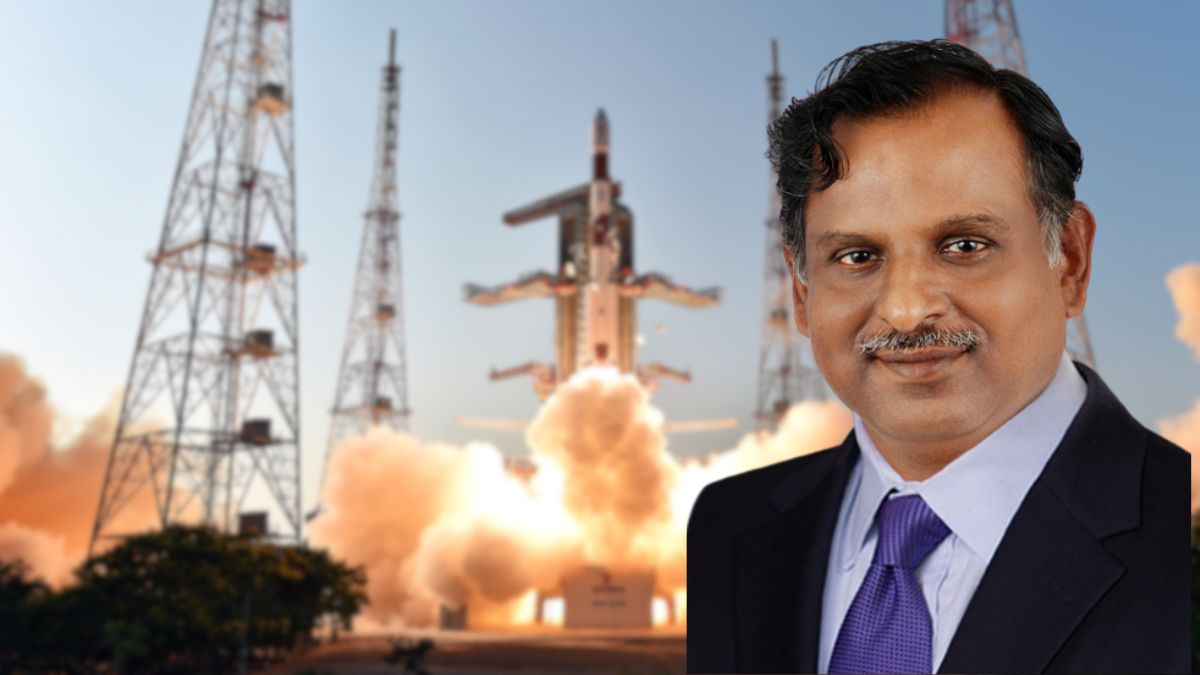
Dr Pawan Goenka, Chairman IN-SPACe

New Delhi: The chairman of the Indian National Space Promotion and Authorization Centre (IN-SPACe), Dr Pawan Goenka, said on Friday that Isro will stop manufacturing launch vehicles itself. Production will increasingly move to private companies and public sector undertakings.
Speaking at Business Today’s India@100 Economy Summit, he said the transition was already underway. This will allow Isro to focus more on research, new technologies and scientific missions, while industry takes over the production of rockets already developed by the space agency.
“Isro will not make any launch vehicles and will not manufacture any launch vehicles. That will all be done by the private sector or PSU,” Goenka said. The shift is not starting from scratch. Isro has already begun transferring launch-vehicle technology to industry, with the Small Satellite Launch Vehicle (SSLV) becoming the first major example.
The technology and production rights for the SSLV were transferred to Hindustan Aeronautics Limited (HAL) following a bidding process. The move allows HAL to take up commercial production of the rocket, shifting its manufacturing from Isro to industry.
The shift has already begun
The SSLV transfer offers the clearest picture of how the new model is expected to work. Under the agreement, Isro will spend two years helping HAL build two prototype rockets, with training and technical support provided by the two organizations before HAL takes over production independently.
After the handholding period, HAL will have freedom to modify the rocket’s design and choose its own suppliers. Depending on demand, the company is expected to produce six to 10 SSLVs a year.
The agreement was signed in September 2025 in Bengaluru and marked the 100th technology transfer facilitated by IN-SPACe since its establishment. The broader idea is to allow companies to take mature technologies developed by Isro and turn them into commercial products, rather than keeping the space agency responsible for manufacturing them indefinitely.
The next stage is expected to involve larger rockets. Goenka said the Polar Satellite Launch Vehicle (PSLV) and Launch Vehicle Mark-3 (LVM3), India’s most powerful operational rocket, are also headed towards private production.
The details of those transfers have not yet been made public. Goenka said, however, that unlike the SSLV process, public sector companies would not participate in the upcoming competition for the PSLV and LVM3.
The change would leave Isro with a different role in the production chain. Once a technology has been developed and proven, companies would increasingly take over its manufacturing and commercial use, while Isro focuses on developing new technologies, conducting scientific missions and working on specialized space systems. Goenka said Isro had already transferred 120 technologies to the private sector.
Why is India making this change?
One reason is the government’s push to build a larger private space industry rather than having Isro carry out every stage of a mission itself. India now has around 450 space startups, according to Goenka, with about 20 ready to scale up their commercial operations. Their work extends beyond rockets and satellites to areas including in-space computing, data centres and refuelling.
Private companies are also beginning to test their ability to operate in the launch market. Goenka pointed to Skyroot Aerospace’s Vikram-1 as an important first step for private orbital launches, but said a single successful launch would not be enough to establish a sustainable business.
Goenka said the government needs to act as an “anchor customer” by using space technology more widely in areas such as defence, agriculture, urban planning and weather forecasting.
He also said the government had already placed 31 satellites with private companies out of 52 satellites under development. The aim, therefore, is not simply to reduce the manufacturing work done by Isro. It is to create enough demand for private companies to invest in rockets, satellites and related technologies and eventually build businesses that can serve both Indian and international customers.