
US-Iran ceasefire under severe strain as strikes resume over Strait of Hormuz
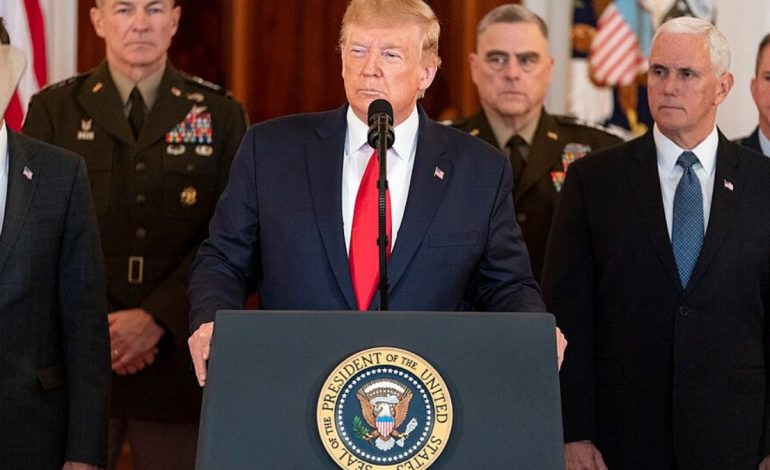
Donald Trump said the US-Iran ceasefire was "over" as tensions escalated. Image Credit: Wikimedia

New Delhi: The US and Iran exchanged fresh retaliatory strikes on Thursday, marking the most serious escalation since the two sides signed a ceasefire memorandum on June 17. The memorandum of understanding had set a 60-day window for talks on a permanent settlement.
The latest escalation began after Iran struck three commercial tankers in the Strait of Hormuz over two days, according to US officials. Iran did not directly claim the attacks, though its state broadcaster said one tanker, the Qatari-linked Al Rekayyat, had ignored Iranian warnings while using a route near Oman that Tehran does not recognize. A second vessel, the Saudi-flagged Wedyan, was also hit. Saudi Arabia held Iran responsible.
The US launched strikes on about 90 Iranian military targets, including missile launchers, drone storage facilities, air defence systems and coastal military infrastructure. The US said the operation was intended to curb Iran’s ability to threaten commercial shipping in the Strait of Hormuz.
Iran responded by launching missiles and drones at US-linked military facilities in Kuwait, Bahrain, Qatar and Jordan. Most of these were intercepted, though Kuwait’s air defences said they responded to at least two ballistic missiles and 13 drones. Iranian officials said US strikes hit several locations across the country, including areas around the Bushehr nuclear power plant, railway bridges and transport infrastructure, and reported at least 14 deaths and 78 injuries.
Qatar’s role as mediator between the US and Iran has come under strain after Iran struck a Qatari-flagged tanker near the Strait of Hormuz. Doha summoned Iran’s deputy ambassador in response and condemned what it called repeated Iranian attacks on Gulf states. Bahrain and Kuwait, which also host US military facilities, did not send representatives to the recent funeral of Iran’s former supreme leader, a gesture Qatar did make.
Commercial shipping through the strait has been disrupted sharply. Several vessels rerouted away from the southern shipping corridor within hours of the latest escalation, and one India-flagged crude tanker made a full U-turn before reaching the strait. By Thursday, transit volumes had fallen to some of the lowest levels since the conflict began in February.
Despite a statement from the US president, Donald Trump, that the ceasefire is over, officials said technical-level talks with Iran will continue, with Qatar and Oman still engaged in diplomatic outreach. Israel’s defence minister, Israel Katz, said Israel was prepared to strike Iran again “with even greater force” if necessary, raising the risk of renewed direct Israeli involvement should the conflict widen further.