



Netanyahu’s government survives full term, Israel heads to October election
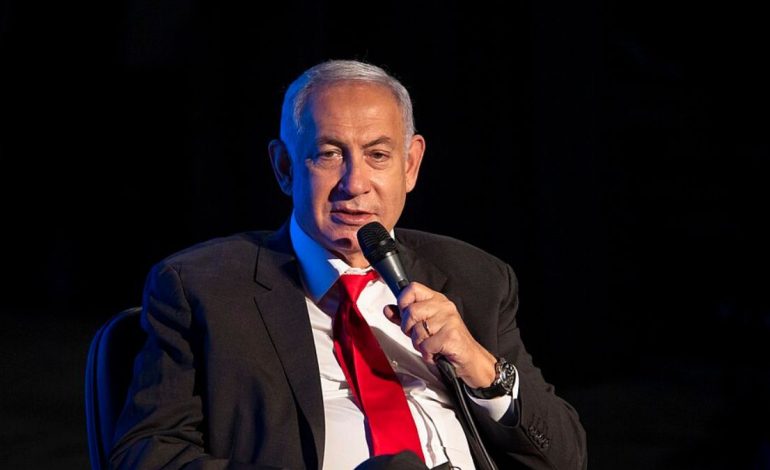
Israeli Prime Minister Benjamin Netanyahu ahead of Israel's scheduled general election on October 27, 2026. Image credit: Wikimedia

New Delhi: Israel’s coalition government, led by the prime minister, Benjamin Netanyahu, confirmed on Sunday that the country’s next parliamentary election will be held on October 27, 2026, as originally scheduled under Israeli law. The confirmation means Netanyahu’s coalition has become the first Israeli government since 1988 to complete its full four-year term.
The Knesset, Israel’s parliament, is set to hold its final session on Friday, July 17, before entering recess ahead of campaigning.
Israeli coalition governments have frequently collapsed before completing their term, as partners withdraw support. Earlier this year, there had been talk of dissolving the Knesset and holding early elections, but those plans were dropped, letting the government complete its full mandate.
The coalition faced serious internal strain throughout its term. It faced disputes over the military conscription of ultra-Orthodox Jews and disagreements among coalition partners, while also navigating the wars in Gaza, Lebanon and Iran. Opposition figures and rights groups have also criticized the government’s handling of the October 7, 2023 Hamas attack, while Netanyahu himself remained under ongoing corruption proceedings throughout his term.
Analysts have called the coming vote one of the most consequential elections in Israel’s history. Voters will weigh Netanyahu’s record on the war in Gaza, the conflicts in Lebanon and against Iran, the state of the economy and security, and disputes over judicial reform.
Early opinion polls suggest a competitive race. Netanyahu’s Likud party remains among the largest in parliament but is no longer assured of a dominant position, with former military chief Gadi Eisenkot and other opposition figures emerging as serious challengers.
Under Israel’s proportional representation system, coalition negotiations after the election are likely to determine who ultimately forms the next government.
The outcome could shape Israel’s approach to several major issues, including the future of the Gaza conflict, relations with Iran and regional security, settlement policy in the West Bank, ties with the United States, and post-war reconstruction and hostage negotiations.