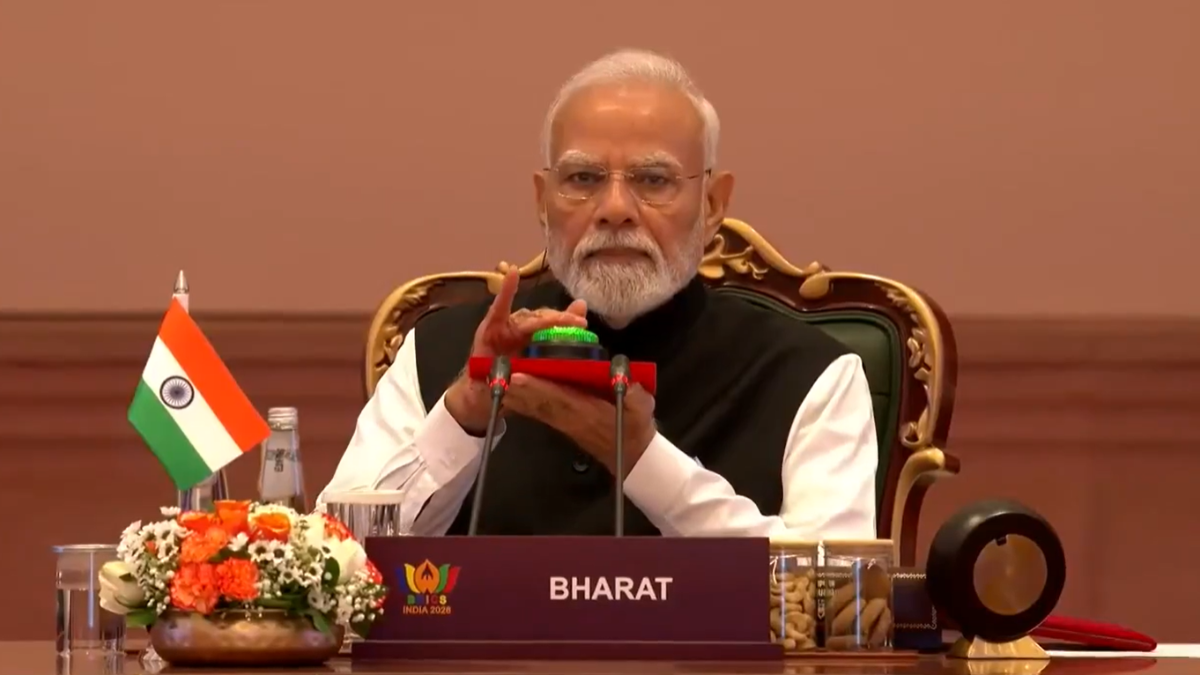
When Modi, Xi and Putin shared a stage: BRICS’ founding trio takes centre stage in Delhi
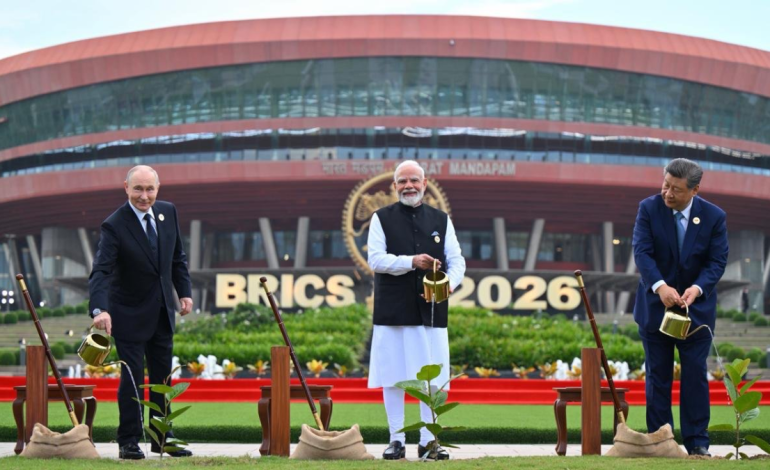
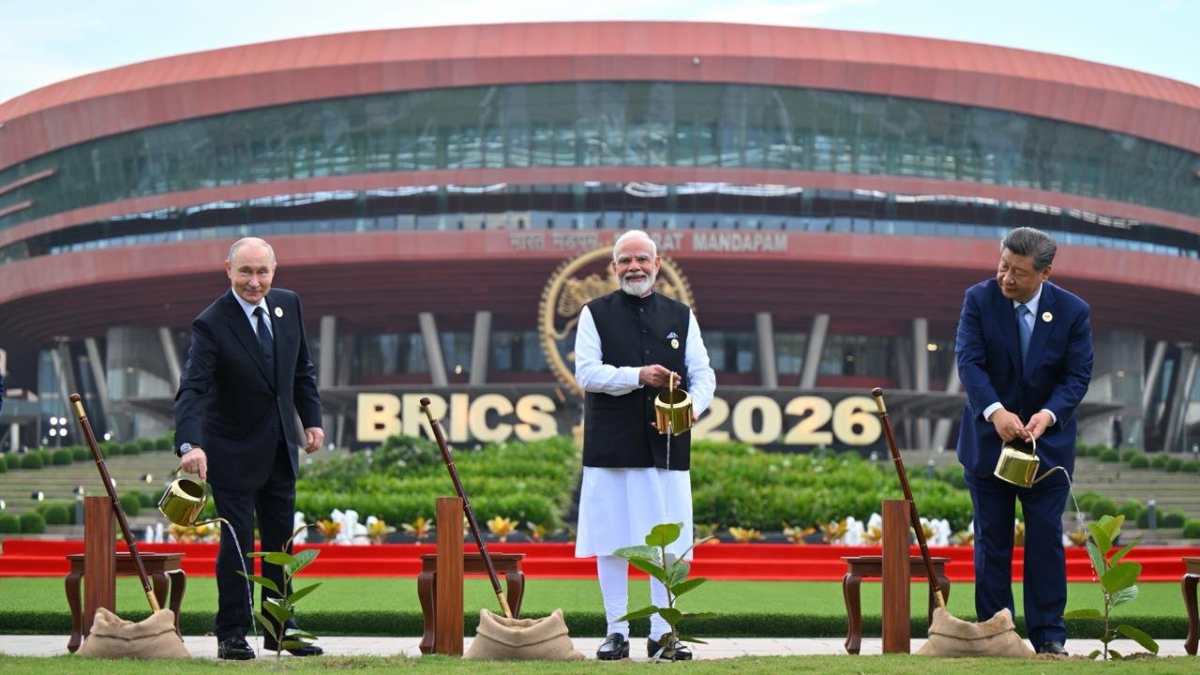
Modi, Xi and Putin shared a stage. (Image courtesy: X/@narendramodi)

New Delhi: India, China and Russia took centre stage at the BRICS Summit in New Delhi on Saturday, with the prime minister, Narendra Modi, the Chinese president, Xi Jinping, and the Russian president, Vladimir Putin, sharing the spotlight in a prominent display of the grouping’s original strategic core.
The image of Modi, Xi and Putin standing together at Bharat Mandapam captured a moment charged with symbolism – three leaders representing roughly 40 per cent of global GDP, sharing a stage barely years after India and China stood at their most tense along the Line of Actual Control. Putin stood between Modi and Xi, a placement that read as a visual anchor between two neighbours still working through unresolved boundary differences. For a grouping that began as an informal acronym coined by an investment bank, the picture offered a striking reminder of how far the original BRIC core had travelled – from a loose economic grouping to leaders standing together at the helm of an 11-nation bloc.
The three leaders had also come together at the SCO Summit in Bishkek on August 31, where the Iranian president, Masoud Pezeshkian, was present as well, underlining a pattern of overlapping engagement among the three countries across multiple multilateral platforms this year.
The New Delhi summit has brought the three countries together again at a time when BRICS is expanding its role as a platform for emerging economies and the Global South. India, Russia and China were among the founding members of BRIC, along with Brazil, when the grouping held its first summit in 2009, giving their interaction at the 2026 summit particular significance.
Modi-Putin partnership stays strong
Modi and Putin’s interaction at the BRICS Summit followed their meeting in Bishkek on August 31, on the sidelines of the 26th SCO Summit. The two leaders reviewed cooperation in political, economic, defence, energy, space, mobility and people-to-people ties, and agreed to further strengthen the India-Russia strategic partnership.
Their engagement continued in New Delhi, where Modi and Putin reviewed progress in trade, defence, energy, space, skills and people-to-people ties. The two sides also discussed implementing the Programme for Economic Cooperation 2030, while Putin invited Modi to Russia for the next India-Russia Annual Summit.
Xi-Modi ties take centre stage
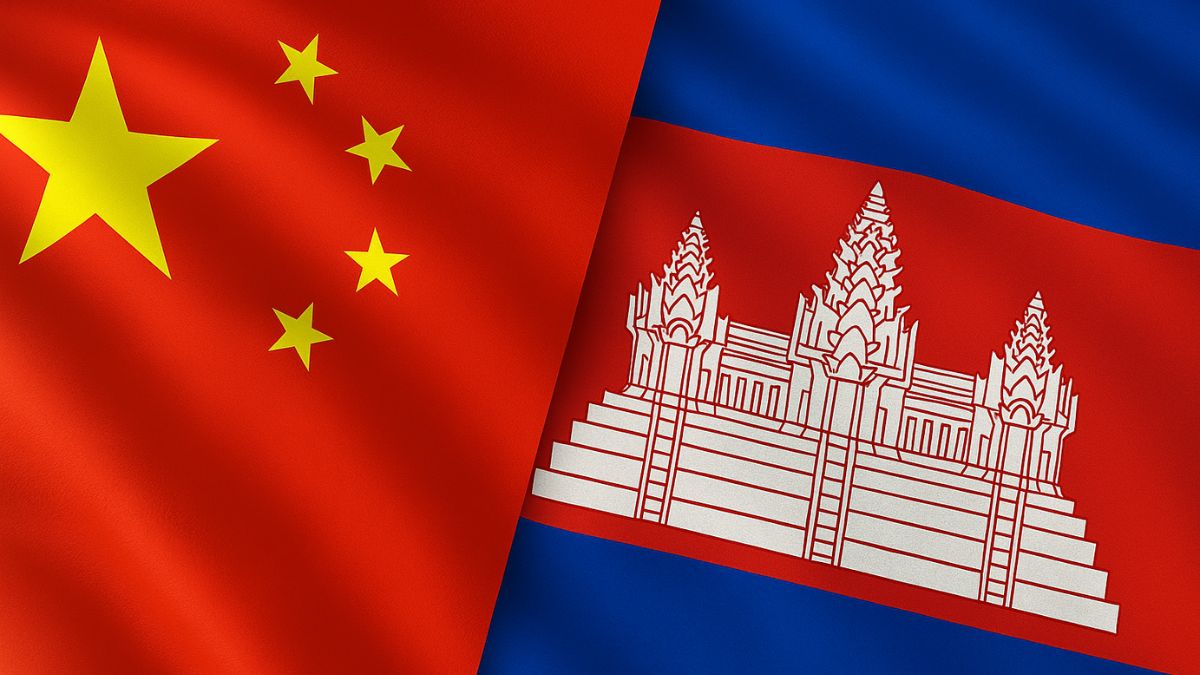
Xi’s presence in New Delhi has added another important layer to the BRICS gathering. His visit, the first to India in seven years, comes as New Delhi and Beijing have been steadily rebuilding high-level engagement after years of tensions along the border.
The renewed engagement comes despite unresolved boundary differences. India and China reached an agreement in October 2024 and have since moved to restore several channels of bilateral engagement, including direct air connectivity, business visas and economic exchanges. However, substantial military deployments continue along the frontier, and differences over the border remain.
The renewed engagement is already producing visible results. Direct air connectivity between India and China is expanding, with China Southern set to resume its Guangzhou-New Delhi service from September 21 after a six-year gap, becoming the third mainland Chinese carrier – after China Eastern and Air China – to restore direct passenger flights to India.
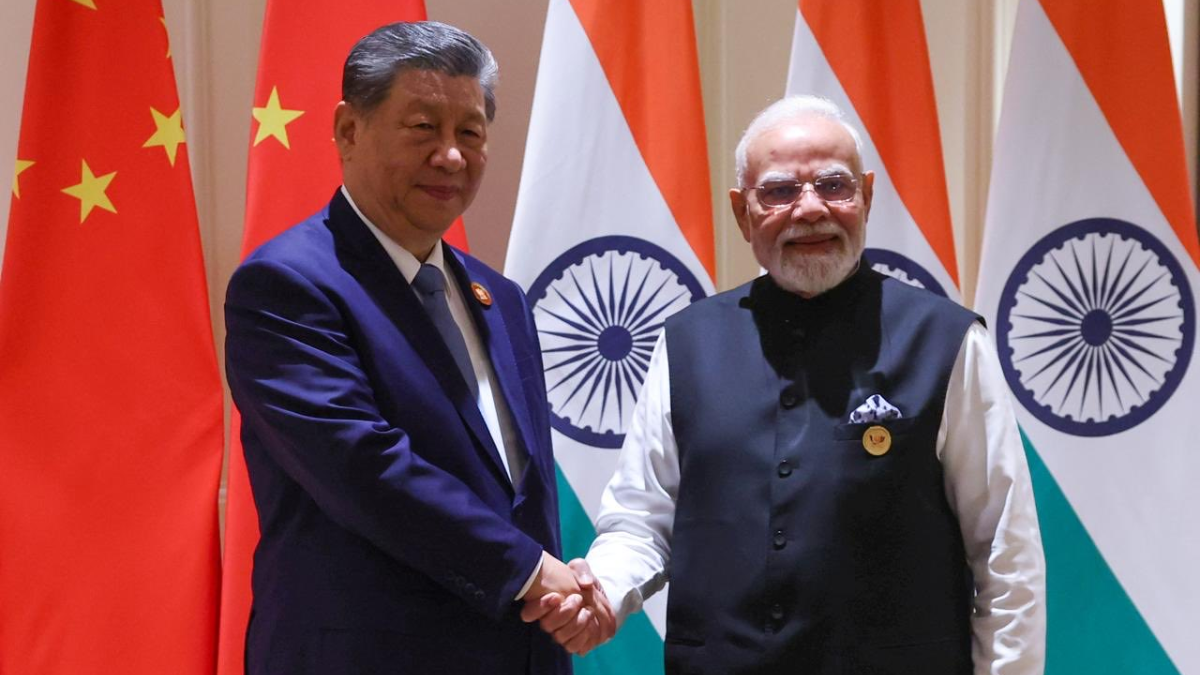
Xi’s arrival at the BRICS Summit, followed by his meeting with Modi, places India-China engagement firmly within the broader story of BRICS cooperation and the revival of high-level contacts. His visit also brings the India-China relationship into the same diplomatic frame as the continuing India-Russia partnership, despite the unresolved issues between New Delhi and Beijing.
BRICS’ founding members return to focus
The Modi-Xi-Putin moment also carries historical weight, as India, Russia and China were part of the original BRIC framework that brought together Brazil, Russia, India and China. The first official BRIC summit was held in 2009, while South Africa joined later, transforming BRIC into BRICS.
Seventeen years later, the grouping has expanded to 11 members and become a much broader platform for economic, political and strategic cooperation. Yet the presence of the three original BRIC powers at the centre of the New Delhi summit highlights the continuing importance of the group’s founding core.
India balances key BRICS ties
For New Delhi, the summit demonstrates the range of its diplomatic engagement. India is simultaneously deepening its long-standing strategic partnership with Russia, rebuilding high-level engagement with China, and working with the expanded BRICS membership on issues ranging from trade and energy to financial connectivity and global governance.
The India-Russia relationship continues to register growth across multiple sectors, with both countries maintaining close energy and economic ties despite sustained external pressure over India’s purchases of Russian oil. India has resisted calls to scale back its Russian energy trade, underscoring the role of strategic autonomy in its foreign policy.
That position was reflected visually at the BRICS Summit, as Modi and Putin stood together closely, confirming the continuity of their partnership at a time when India is simultaneously managing its ties with the US, Russia and China.
At the same time, India’s engagement with China is opening new space for connectivity, trade and people-to-people exchanges, even as both sides continue to manage unresolved strategic and territorial differences.
This approach gives India room to pursue its interests with different major powers while using BRICS as a common platform for cooperation.