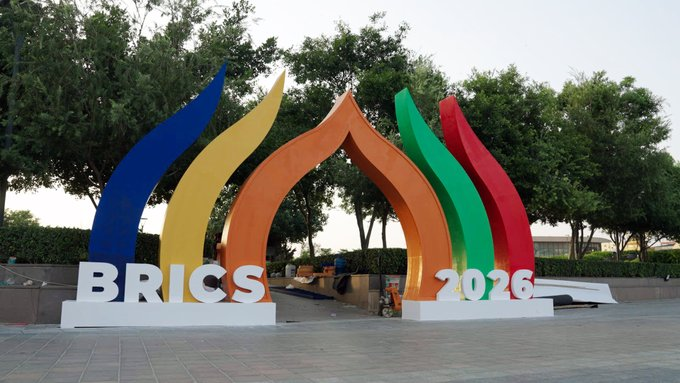
BRICS Summit 2026 in pictures: From banyan planting to the BRICS Bazaar
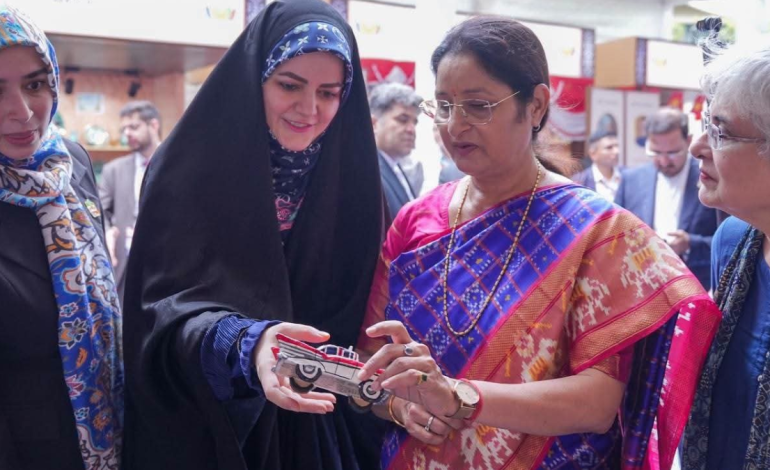
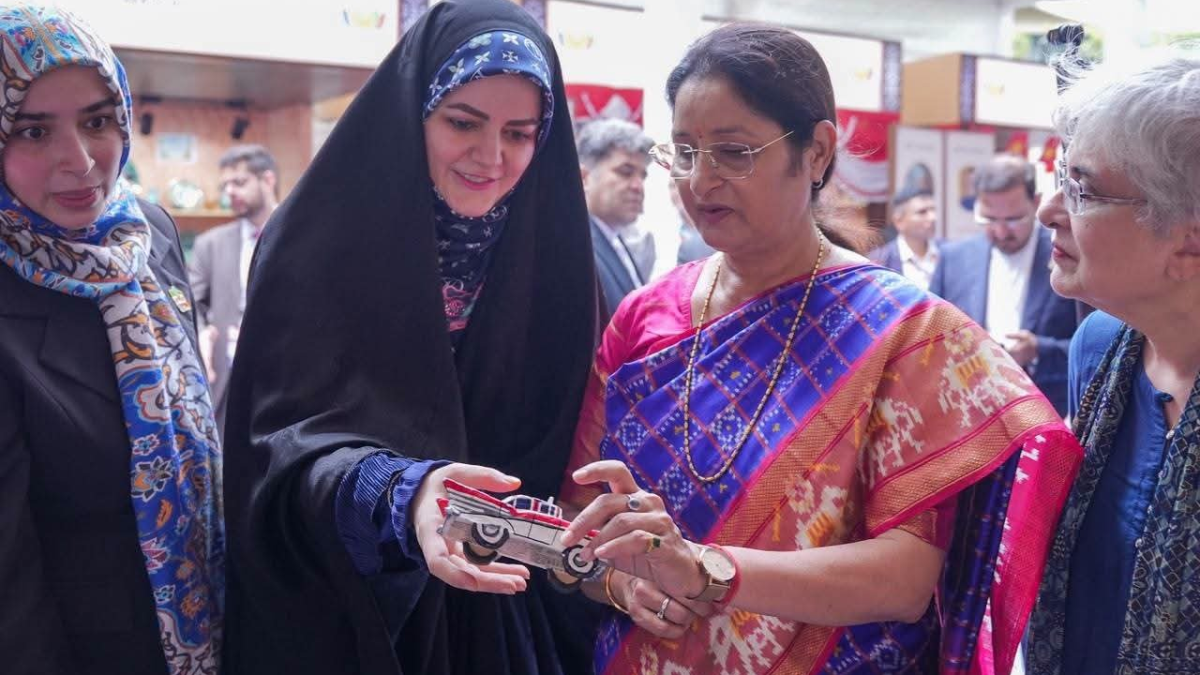
BRICS Bazaar. (Image courtesy: X/@Annapurna4BJP)

New Delhi: The 18th BRICS Summit in New Delhi brought together leaders of the expanded grouping for a series of high-level diplomatic engagements, discussions on global governance and multilateralism, and moments highlighting India’s priorities as BRICS chair in 2026.
From the prime minister, Narendra Modi, meeting the Chinese president, Xi Jinping, to the leaders’ family photograph, the planting of banyan saplings and the launch of commemorative postage stamps, the two-day gathering produced several significant moments.
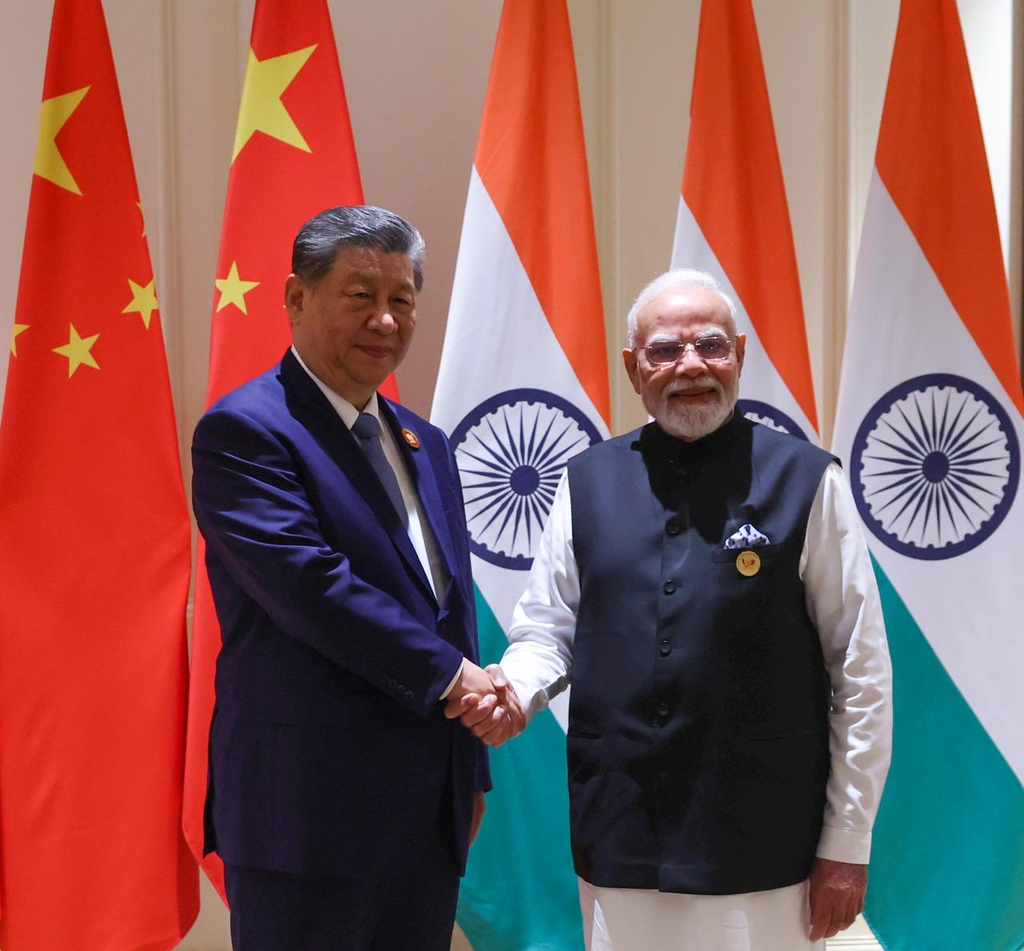
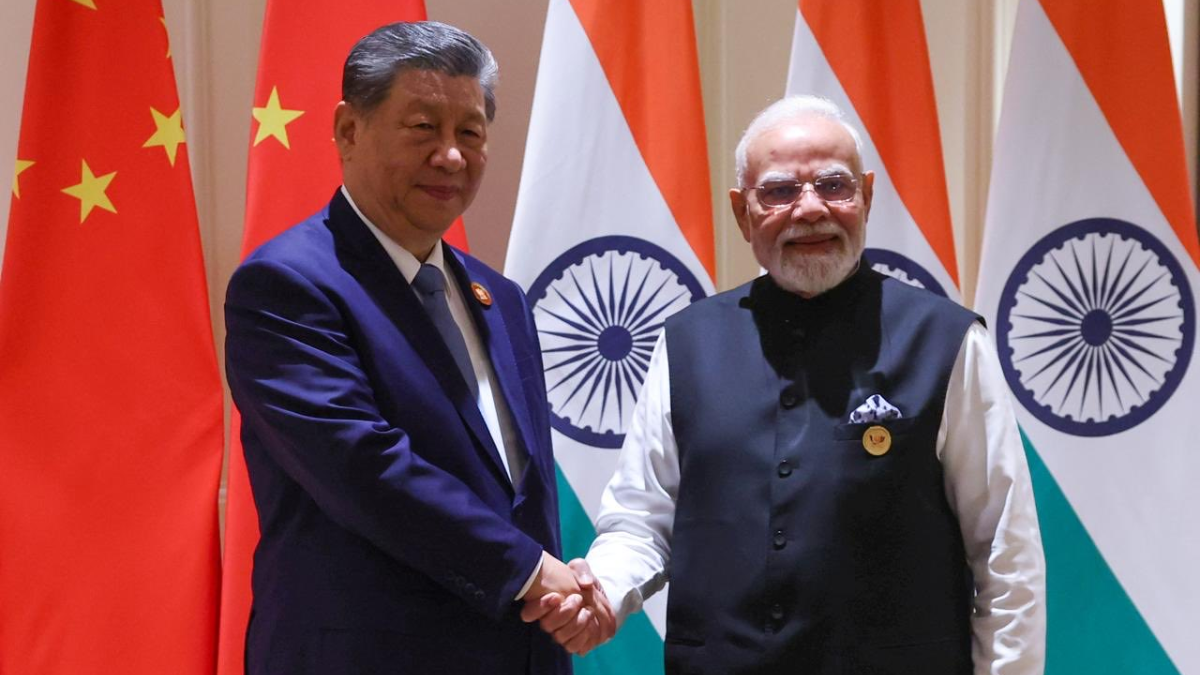
One of the most closely watched moments was Modi’s meeting with Xi on the sidelines of the summit. Xi’s visit was his first to India in seven years, and came as New Delhi and Beijing work to stabilize ties after years of tension following the 2020 Galwan Valley clash.
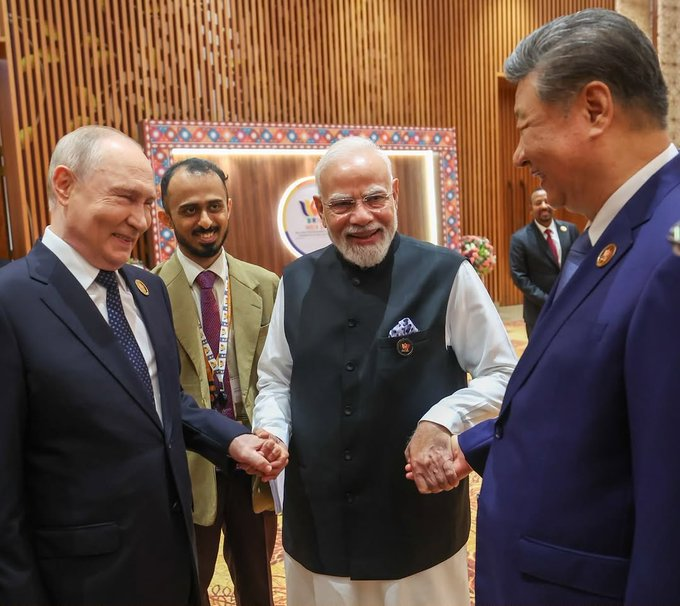
The two leaders reviewed the full range of India-China relations and stressed the importance of maintaining peace and tranquillity in border areas. They also reaffirmed their commitment to pursuing cooperation based on mutual respect, mutual interest and mutual sensitivity.
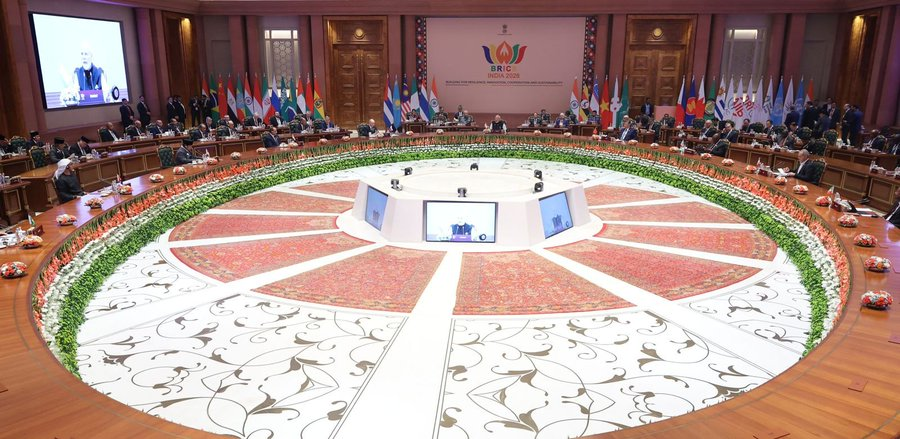
The meeting added a significant bilateral dimension to the BRICS gathering, with both countries seeking to build on the progress made in restoring engagement while continuing to manage unresolved differences.
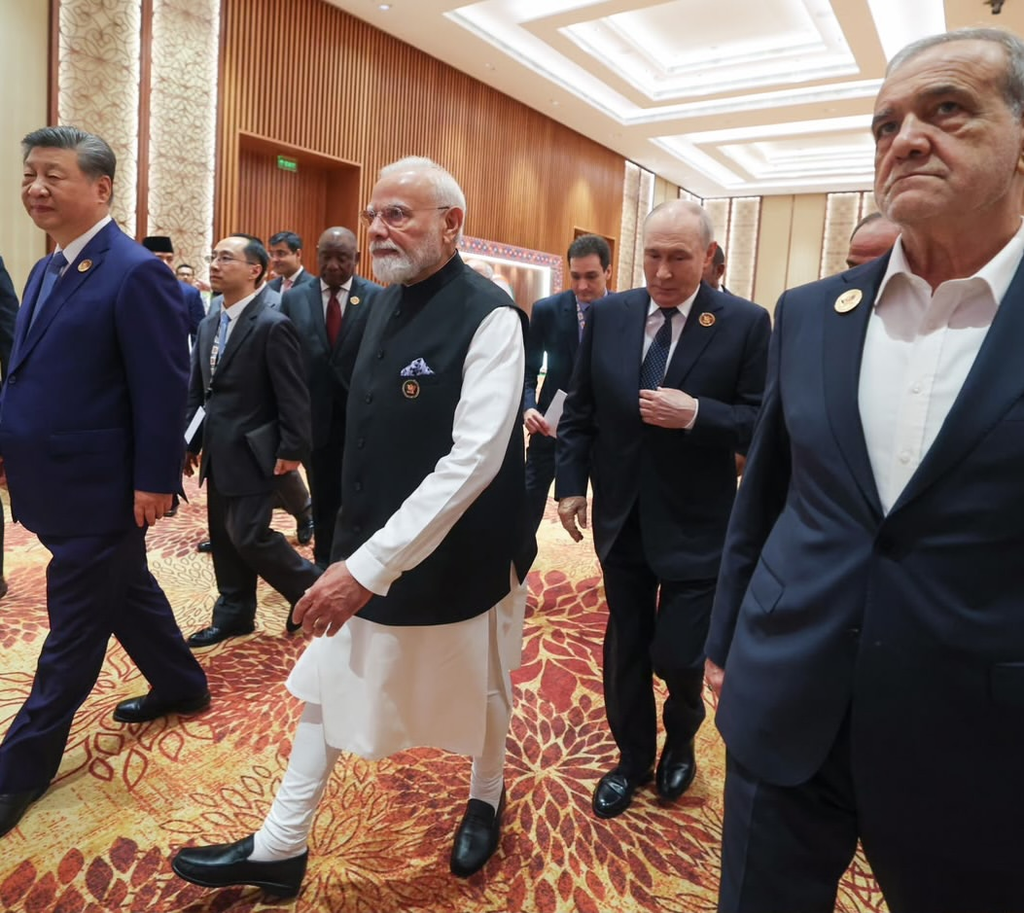
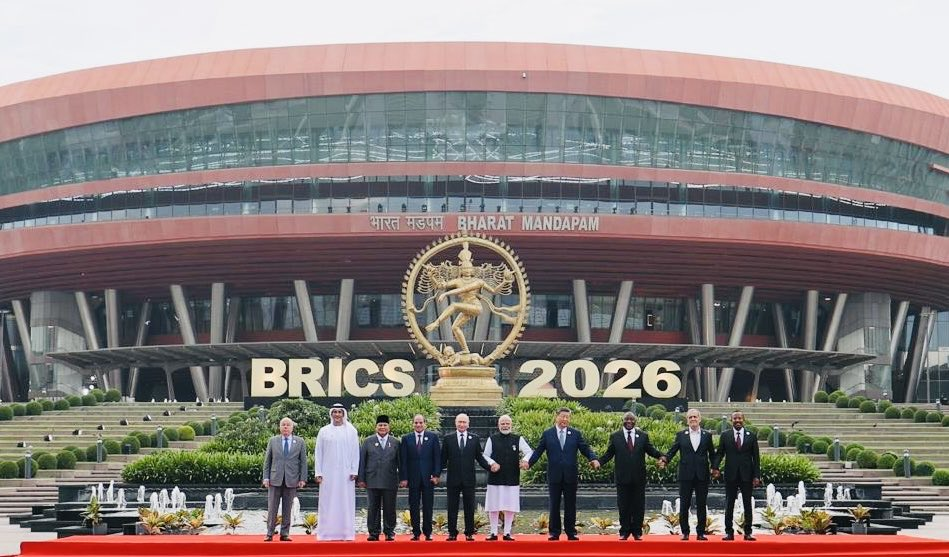
The BRICS leaders also posed for their annual family photograph at the India International Centre in New Delhi. The occasion underlined the growing importance of BRICS as a forum where major emerging economies and Global South nations come together — a grouping that has expanded considerably since its inception with Brazil, Russia, India and China.
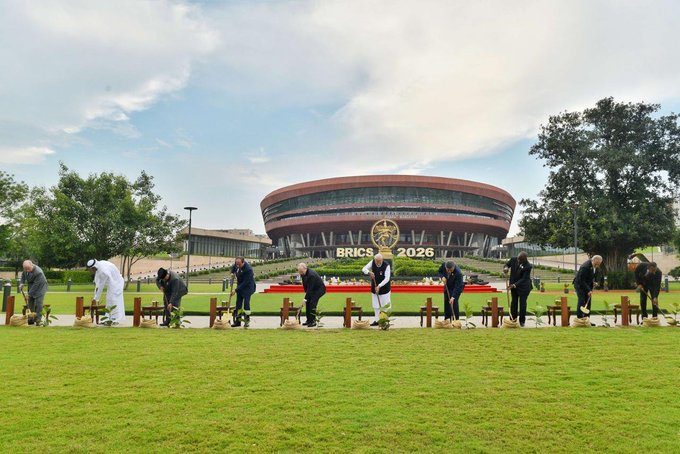
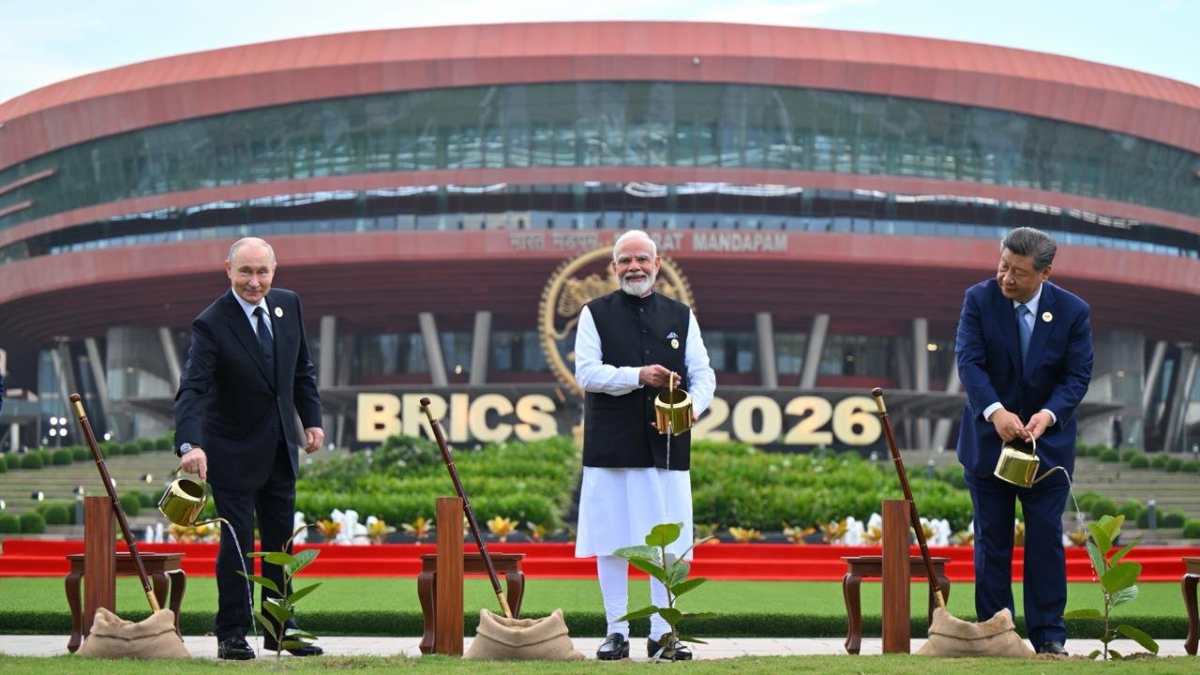
Another symbolic moment came when the BRICS leaders, along with Modi, planted banyan tree saplings at the summit venue. Banyan trees hold deep significance in Indian civilization, thought and culture, and the planting was intended to signal member nations’ commitment to sustainability.
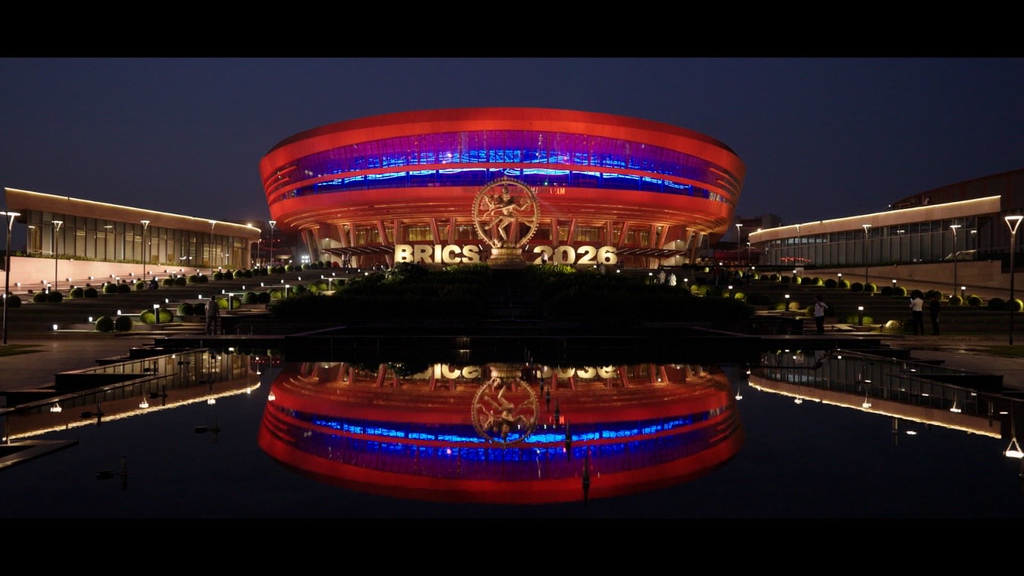
The initiative reflected one of the central priorities of India’s BRICS chair ship — sustainability, alongside resilience, innovation and cooperation.
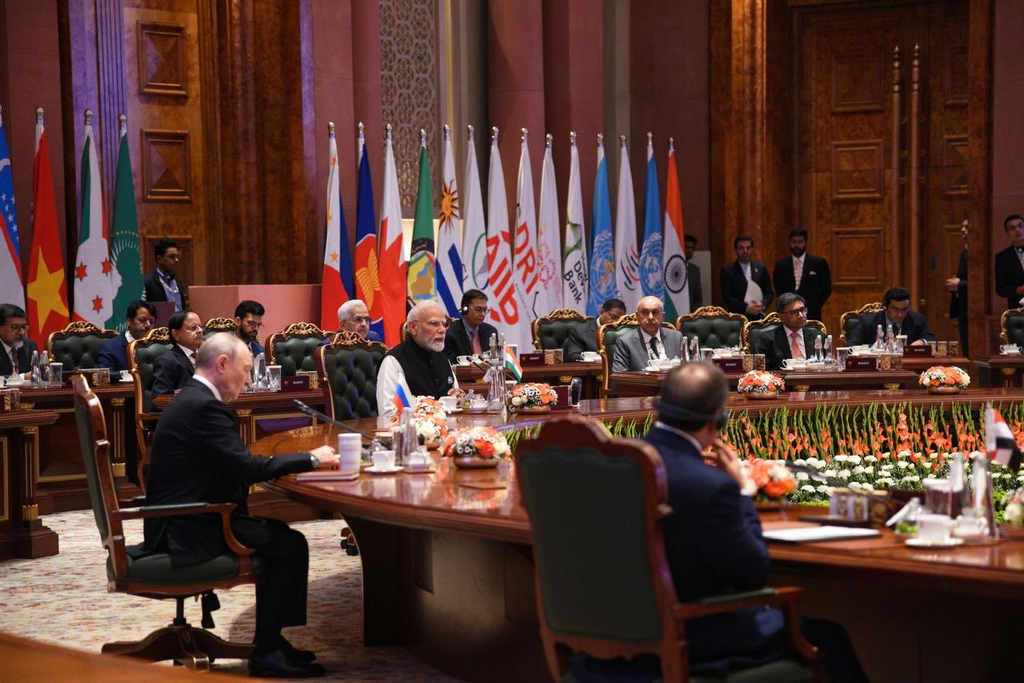
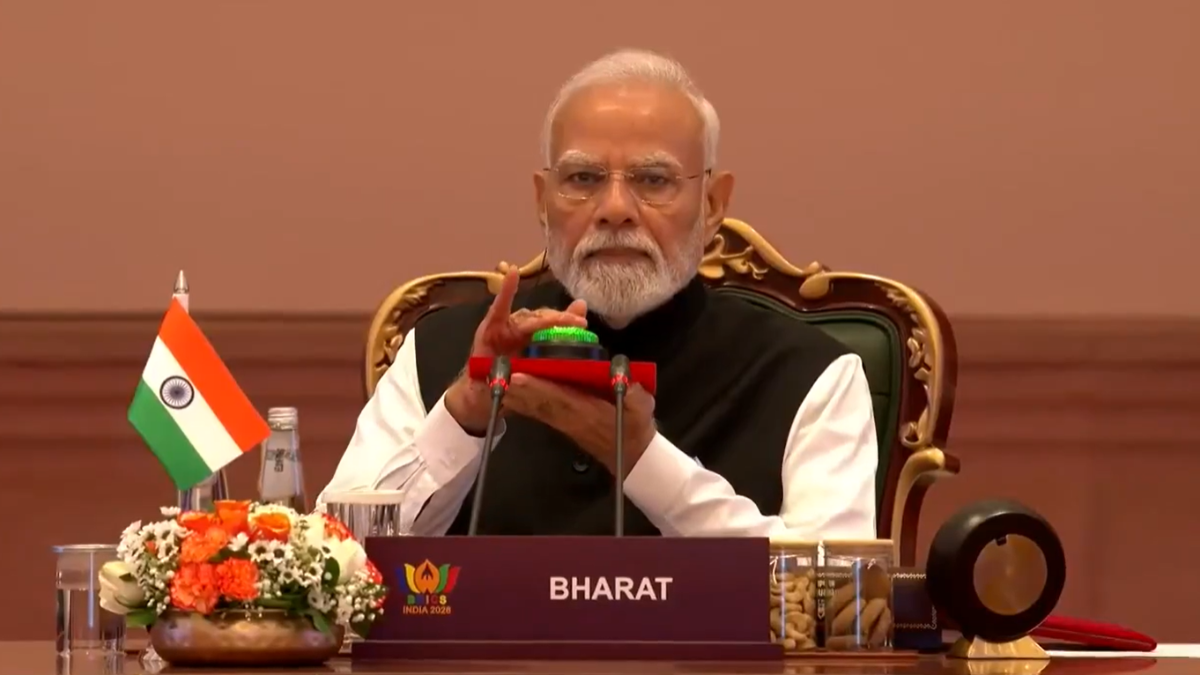
Modi also chaired the BRICS session on “Inclusive Global Governance and Strengthening Multilateralism”, calling for greater representation of the Global South in global decision-making. He said the Global South was often on the front line of global crises but had limited influence in decision-making, and called for greater representation in institutions such as the UN Security Council. Modi also urged the Global South to move from being a “rule-taker” to a “rule-shaper”, and proposed training young diplomats and policymakers in negotiation, practical skills and legal expertise.
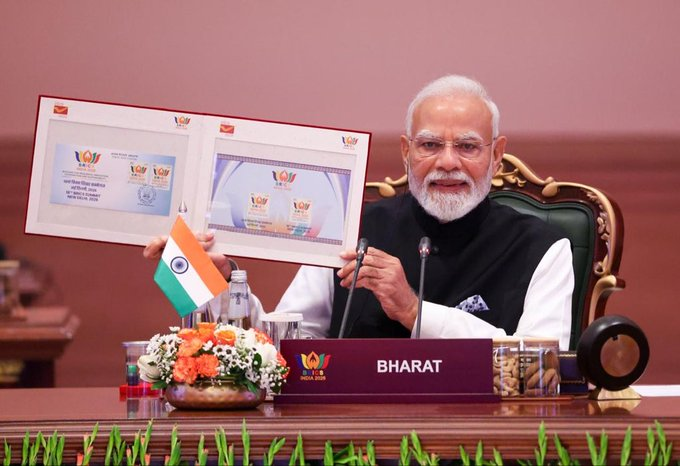
India also released two commemorative postage stamps during the summit to mark two decades of BRICS. The stamps celebrate the grouping’s evolution as a platform for dialogue and cooperation, while highlighting the priorities of India’s 2026 chairship under the theme “Building for Resilience, Innovation, Cooperation and Sustainability”. The initiative added a cultural and symbolic dimension to India’s presidency, showcasing the country’s emphasis on building a more resilient and sustainable BRICS framework.
BRICS Bazaar showcases culture and craftsmanship
The BRICS Bazaar at the National Crafts Museum also contributed to the summit’s cultural programme. Zahra Pezeshkian, daughter of the Iranian president, Masoud Pezeshkian, visited the Bazaar, where arts and crafts from BRICS member and partner nations were on display.
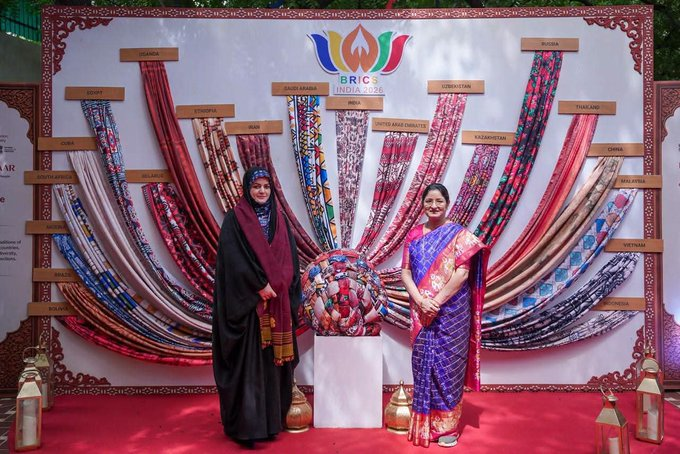
The Bazaar offered a platform for participating countries to showcase their cultural traditions, adding a people-to-people dimension to the diplomatic gathering.
Together, the summit’s diplomatic meetings, policy discussions and cultural events reflected the breadth of India’s BRICS chairship. From the Modi-Xi engagement and discussions on global governance to the focus on sustainability, maritime safety and cultural cooperation, the New Delhi summit showcased India’s effort to position BRICS as a platform for greater representation, practical cooperation and a stronger voice for the Global South.